
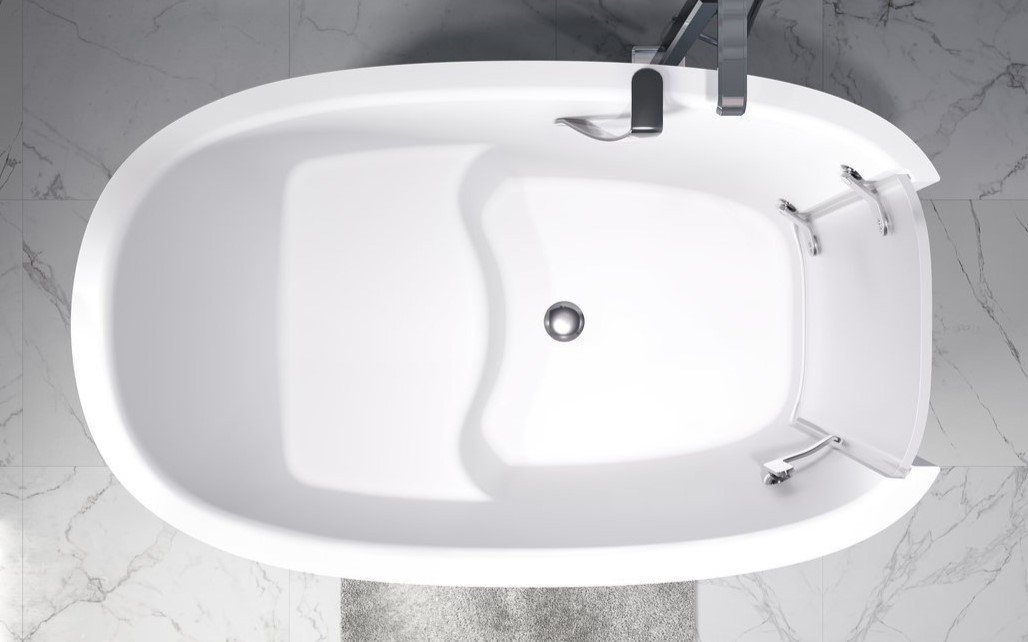
Maintaining a spotless walk-in shower floor is essential for both hygiene and safety. Over time, soap scum, hard water stains, and mildew can accumulate, making the surface slippery and unsightly. Knowing how to clean a walk-in shower floor effectively not only preserves the look of your bathroom but also helps prevent slips and falls. This guide covers the most effective tools, solvents, and step-by-step methods to keep your shower floor sparkling clean, no matter the material.
Whether your shower base is acrylic, tile, or stone, using the right cleaning products and techniques will make the job easier and extend the life of your bathroom fixtures. We’ll also highlight some helpful accessories and provide tips for regular upkeep, so your walk-in shower remains fresh and inviting.
For those interested in keeping all aspects of their bathroom in top shape, you might also want to read about the benefits of microfiber towels for walk-in showers, which can make daily maintenance even easier.
Essential Tools for a Spotless Shower Base
Choosing the right cleaning tools is the first step in achieving a pristine shower floor. Here are some must-have items for any cleaning routine:
- Soft-bristled brush: Ideal for scrubbing without scratching surfaces like acrylic or fiberglass.
- Microfiber cloths: Perfect for wiping down surfaces and picking up residue. They are gentle yet effective, especially for daily maintenance.
- Non-abrasive sponge: Useful for tackling stubborn spots on tile or stone without causing damage.
- Rubber squeegee: Helps remove excess water after each shower, preventing mineral buildup and mold growth.
- Bucket or spray bottle: For mixing and applying cleaning solutions.
Investing in quality tools will save time and effort, and help maintain the integrity of your shower floor material.
Choosing the Right Solvents for Different Surfaces
The type of cleaning solution you use should match your shower floor material. Using the wrong product can cause discoloration or surface damage. Here’s a breakdown of the best options for common surfaces:
| Surface Type | Recommended Solvent | What to Avoid |
|---|---|---|
| Acrylic/Fiberglass | Mild dish soap, white vinegar diluted with water, or a gentle bathroom cleaner | Bleach, abrasive powders, harsh acids |
| Ceramic/Porcelain Tile | Baking soda paste, vinegar solution, commercial tile cleaner | Steel wool, strong acids on grout |
| Natural Stone (Marble, Granite) | pH-neutral stone cleaner, mild soap and water | Vinegar, lemon juice, acidic cleaners |
Always test new products on a small, inconspicuous area first to ensure compatibility with your shower floor.

Step-by-Step Process for Deep Cleaning
To thoroughly clean your walk-in shower floor, follow these steps for best results:
- Remove loose debris: Start by rinsing the floor with warm water to wash away hair, soap residue, and dirt.
- Apply the cleaning solution: Spray or spread your chosen solvent over the entire surface. Let it sit for 5–10 minutes to break down grime and stains.
- Scrub gently: Use a soft-bristled brush or non-abrasive sponge to scrub the floor, paying extra attention to textured areas and grout lines.
- Rinse thoroughly: Use warm water to remove all cleaning residues. For tile floors, ensure grout lines are free of soap or cleaner buildup.
- Dry the surface: Wipe down with a microfiber towel or use a squeegee to prevent water spots and mold growth.
For persistent stains or mildew, repeat the process or use a targeted cleaner designed for your specific floor type.
Preventing Buildup and Keeping Your Shower Floor Clean
Regular maintenance is key to avoiding tough stains and soap scum. Here are some tips to keep your shower floor in top condition:
- Daily rinse: After each shower, rinse the floor with hot water to remove soap and shampoo residue.
- Weekly cleaning: Set aside time each week for a quick scrub using a mild cleaner and soft brush.
- Use a squeegee: Removing excess water after every use helps prevent mineral deposits and mildew.
- Ventilation: Keep the bathroom well-ventilated to reduce humidity and discourage mold growth.
- Choose the right bath mats: Opt for quick-drying mats and wash them regularly to avoid transferring dirt back onto the shower floor.
For more advanced maintenance, such as addressing jet noise or electrical safety in walk-in tubs, check out resources like how to troubleshoot walk-in tub jet noise and how to check walk-in tub electrical grounding.
Safe and Effective Solutions for Seniors and Accessibility
Walk-in showers and tubs are popular for their accessibility and safety features, especially for seniors and those with mobility challenges. Keeping these areas clean is vital for preventing slips and maintaining a healthy environment. For more insights on why accessible bathing solutions are important, see this article on walk-in tubs for seniors.
When cleaning for seniors or anyone with sensitive skin, always choose non-toxic, fragrance-free cleaners and rinse thoroughly to avoid any residue that could cause irritation.
Frequently Asked Questions
What is the best way to remove soap scum from a walk-in shower floor?
For most surfaces, a mixture of white vinegar and water works well to dissolve soap scum. Spray the solution, let it sit for several minutes, then scrub with a soft brush and rinse thoroughly. For natural stone, use a pH-neutral cleaner instead of vinegar.
How often should I deep clean my walk-in shower floor?
Deep cleaning is recommended at least once a week to prevent buildup of soap scum, mildew, and hard water stains. Daily rinsing and drying can reduce the need for frequent deep cleans.
Can I use bleach to clean my shower floor?
Bleach is not recommended for acrylic, fiberglass, or natural stone surfaces as it can cause discoloration and damage. Stick to mild, non-abrasive cleaners that are appropriate for your shower floor material.
Are there any tools that make cleaning easier for people with limited mobility?
Yes, long-handled brushes, lightweight squeegees, and spray cleaners can make the process easier and safer for those with mobility challenges. Consider using tools with ergonomic grips for added comfort.
Conclusion
Keeping your walk-in shower floor clean is a straightforward process when you use the right tools and solvents for your specific surface. Regular maintenance, combined with occasional deep cleaning, will ensure your bathroom remains safe, hygienic, and visually appealing. Remember to choose gentle, effective products and to rinse thoroughly after each cleaning session. By following these steps, you can enjoy a fresh and inviting shower environment every day.