

Maintaining a clean and sanitary walk-in tub is essential for both hygiene and the longevity of your investment. However, using the wrong cleaning products or techniques can lead to surface damage, discoloration, or even void your warranty. This guide explains how to disinfect a walk-in tub surface effectively while preserving its finish, ensuring your bathing space remains safe, fresh, and looking its best.
Walk-in tubs are designed for accessibility and comfort, but their unique surfaces—often acrylic, fiberglass, or gelcoat—require gentle care. Disinfecting these surfaces involves more than just scrubbing; it’s about choosing the right products, following manufacturer recommendations, and establishing a regular cleaning routine. If you’re also interested in optimizing your tub’s safety features, you might want to learn about walk-in tub suction safety features for additional peace of mind.
Understanding Walk-In Tub Surfaces and Why Proper Disinfection Matters
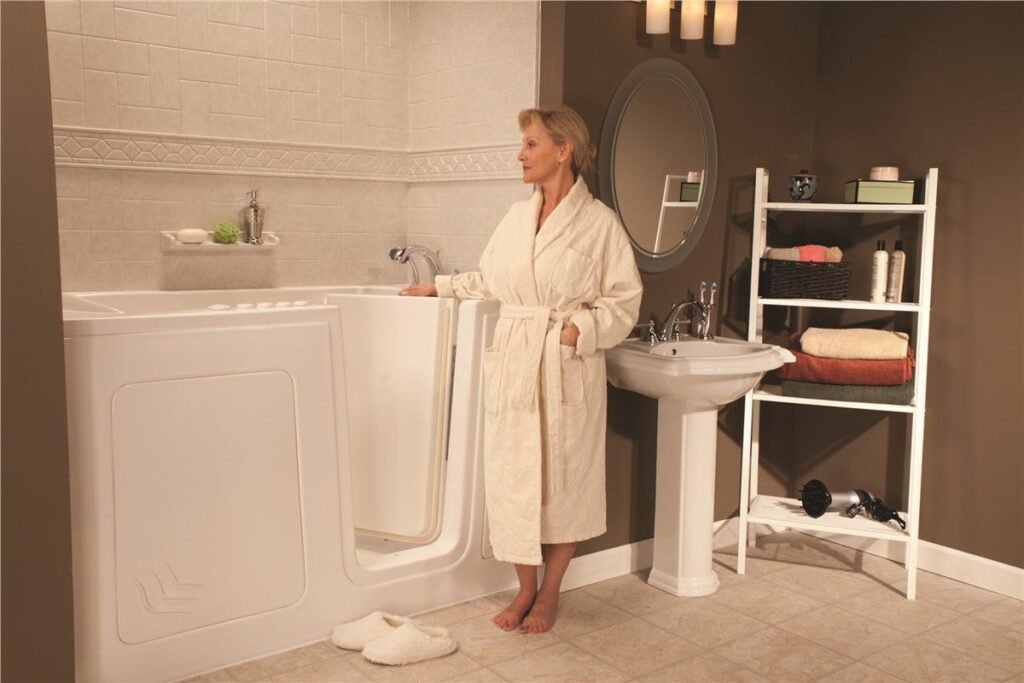
Most walk-in tubs are constructed from acrylic, fiberglass, or gelcoat materials. These finishes are chosen for their durability, smoothness, and ease of cleaning. However, harsh chemicals or abrasive tools can scratch, dull, or weaken these surfaces. Proper disinfection not only removes harmful bacteria and mold but also helps prevent buildup that can cause slip hazards or unpleasant odors.
Consistent cleaning also supports the tub’s accessibility features, ensuring grab bars, seats, and textured floors remain safe to use. For those who value both hygiene and comfort, regular disinfection is a key part of walk-in tub care.
Essential Supplies for Safe Walk-In Tub Disinfection
Before starting, gather the following supplies to ensure you clean effectively without causing harm:
- Non-abrasive sponge or microfiber cloth – Avoid steel wool or stiff brushes.
- Mild, non-bleach disinfectant – Look for products labeled safe for acrylic or fiberglass.
- White vinegar or hydrogen peroxide – Natural alternatives for routine disinfection.
- Spray bottle – For even application of cleaning solutions.
- Clean water – For rinsing away residue.
- Soft towel – For drying the surface after cleaning.
Always check your tub manufacturer’s care instructions before using any new product. Some brands may recommend specific cleaners or warn against certain chemicals.
Step-by-Step: How to Disinfect a Walk-In Tub Surface Safely
Follow these steps to disinfect your walk-in tub without risking surface damage:
- Rinse the Tub: Use warm water to remove loose debris and soap residue. This prevents dirt from scratching the surface during cleaning.
- Apply a Gentle Disinfectant: Spray a mild disinfectant or a solution of equal parts white vinegar and water onto the tub’s surfaces. Avoid bleach or ammonia-based cleaners, as these can degrade acrylic and fiberglass.
- Let the Solution Sit: Allow the disinfectant to remain on the surface for at least 5–10 minutes. This dwell time is crucial for killing bacteria and viruses.
- Wipe with a Soft Cloth: Gently scrub with a non-abrasive sponge or microfiber towel. Focus on high-touch areas like grab bars, seats, and door seals.
- Rinse Thoroughly: Use clean water to wash away all cleaning solution. Residue can make surfaces slippery or attract more dirt.
- Dry Completely: Use a soft towel to dry the tub, especially around seals and joints. This helps prevent mold and mildew growth.
For more tips on maintaining accessible bathing spaces, consider reading about the best walk-in showers for older adults and how their cleaning needs compare to walk-in tubs.
Common Mistakes to Avoid When Cleaning Walk-In Tub Surfaces
Even with the best intentions, some cleaning habits can lead to costly damage. Here are mistakes to avoid:
- Using abrasive pads or powders – These can scratch and dull the finish.
- Applying undiluted bleach or ammonia – Strong chemicals can discolor and weaken acrylic or fiberglass.
- Ignoring manufacturer guidelines – Always check the care manual before trying new products.
- Letting water sit in the tub – Standing water encourages mold and mildew, especially around seals.
- Neglecting regular cleaning – Infrequent cleaning allows buildup that’s harder to remove safely.
For a streak-free finish, consider using a microfiber towel, which is also highlighted in the benefits of microfiber towels for walk-in showers guide.
Recommended Disinfectants and Natural Alternatives
Choosing the right disinfectant is crucial for protecting your tub’s surface. Here are some safe options:
- Diluted white vinegar – Effective against bacteria and mold, safe for most surfaces.
- Hydrogen peroxide (3%) – A gentle disinfectant that won’t harm acrylic or fiberglass.
- Commercial non-bleach bathroom cleaners – Look for “safe for acrylic/fiberglass” on the label.
Always test a new cleaner on a small, hidden area first. Avoid mixing chemicals, as this can produce toxic fumes or unpredictable reactions.
How Often Should You Disinfect Your Walk-In Tub?
Frequency depends on usage, but as a general rule:
- Light use (1–2 times per week): Disinfect every 1–2 weeks.
- Daily use or shared tubs: Disinfect at least once a week, or more often if someone is ill.
- After bathing pets or using bath oils: Clean immediately to prevent residue buildup.
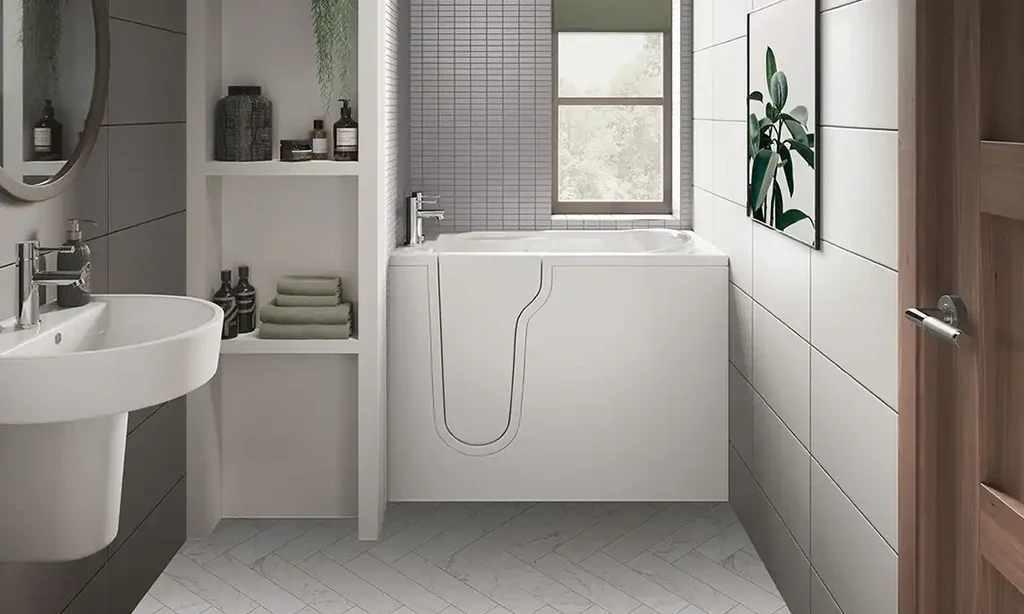
Regular maintenance not only keeps your tub sanitary but also extends its lifespan and keeps it looking new. If you notice persistent stains or odors, a deeper clean may be necessary. For issues like unusual noises or vibrations, see advice on how to troubleshoot walk-in tub jet noise.
Additional Tips for Maintaining a Pristine Walk-In Tub
- Keep a dedicated cleaning cloth or sponge for your tub to avoid cross-contamination.
- Use a squeegee or towel to dry surfaces after each use.
- Check and clean door seals regularly to prevent mold growth.
- Ventilate the bathroom to reduce humidity and mildew risk.
- Inspect jets and drains for buildup, and follow manufacturer instructions for cleaning these components.
Some walk-in tubs feature massage jets for added comfort. If yours does, you may be interested in the walk-in tub foot massage jet benefits and how to keep these features clean and functional.
FAQ: Walk-In Tub Disinfection and Care
Can I use bleach to disinfect my walk-in tub?
It’s best to avoid bleach, as it can damage acrylic and fiberglass surfaces over time. Instead, opt for diluted vinegar, hydrogen peroxide, or a non-bleach bathroom cleaner labeled safe for your tub’s material.
What should I do if my tub develops stubborn stains?
For tough stains, use a paste of baking soda and water applied with a soft cloth. Avoid abrasive pads. If stains persist, consult your manufacturer’s care guide or contact customer support for recommendations.
How do I disinfect the jets and drains?
Fill the tub with warm water and add a cup of white vinegar. Run the jets for 10–15 minutes, then drain and rinse thoroughly. Always follow your tub’s manual for specific jet cleaning instructions.
Is it safe to use essential oils in my walk-in tub?
While some essential oils are safe, they can leave residue that’s difficult to clean. If you use oils, clean the tub thoroughly afterward to prevent buildup and maintain slip resistance.
How can I prevent mold and mildew in my walk-in tub?
Dry the tub after each use, keep the bathroom ventilated, and disinfect regularly. Pay special attention to door seals and corners where moisture can collect.