
Many older adults face challenges maintaining safe, accessible homes as they age. Essential repairs and upgrades—like fixing roofs, updating electrical systems, or installing accessibility features—can be costly, especially for those on fixed incomes. Fortunately, zero interest home repair loans for seniors are available in many communities, offering a practical way for older homeowners to address urgent needs without taking on burdensome debt.
These special financing options are designed to help older adults remain in their homes longer, improve safety, and support independent living. This article explores how these programs work, eligibility requirements, and how to find and apply for them. For those considering upgrades like grab bars or walk-in tubs, you may also want to review resources such as walk-in shower grab bar weight ratings to ensure any modifications meet safety standards.

Understanding No-Interest Home Repair Financing for Older Adults
No-interest home repair loans are special financing products offered by local governments, nonprofits, and some state agencies. Unlike traditional loans, these programs do not charge interest, making them more affordable for seniors who need to make essential repairs or accessibility improvements. Repayment terms are typically flexible, and in some cases, repayment may be deferred until the home is sold or the owner moves out.
These loans are often targeted at low- and moderate-income older homeowners who might not qualify for conventional financing. The aim is to help individuals remain in their homes safely, avoid costly emergency repairs, and reduce the risk of accidents or health issues caused by unsafe living conditions.
Key Benefits of Zero Interest Home Repair Loans for Seniors
- Affordability: With no interest charges, monthly payments are lower and more manageable.
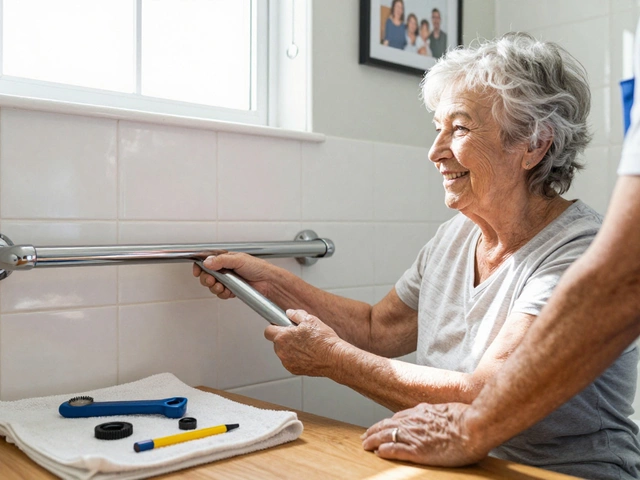
- Access to Critical Repairs: Programs often cover repairs that directly impact health, safety, or accessibility, such as plumbing, roofing, heating, or installing ramps and grab bars.
- Deferred Payment Options: Some loans allow repayment only when the home is sold, minimizing financial strain.
- Support for Aging in Place: By making homes safer and more accessible, these loans help seniors stay independent longer.
Who Is Eligible for Zero Interest Home Repair Assistance?
While specific requirements vary by program and location, most initiatives share common eligibility criteria:
- Age: Typically, applicants must be 62 years or older.
- Homeownership: Applicants must own and occupy the home as their primary residence.
- Income Limits: Most programs are restricted to low- or moderate-income households, based on local median income guidelines.
- Type of Repairs: Funding is usually limited to repairs that address safety, accessibility, or code compliance issues.
- Location: Some programs are available only in specific cities, counties, or states.
It’s important to check with local housing agencies or nonprofit organizations to confirm eligibility and available funding in your area.
Types of Repairs and Upgrades Covered
Most zero interest home repair loans for seniors focus on projects that directly impact safety, health, and accessibility. Commonly covered repairs and improvements include:
- Roof replacement or repairs
- Electrical and plumbing updates
- Heating and cooling system repairs
- Accessibility modifications (ramps, grab bars, walk-in tubs)
- Bathroom and kitchen safety upgrades
- Window and door replacements for energy efficiency
- Addressing code violations or hazardous conditions
If you are considering bathroom safety upgrades, you may find it helpful to review information about walk-in tub frame construction types or understanding walk-in tub warranty terms to make informed decisions about your investment.
How to Find and Apply for Senior Home Repair Loan Programs
Locating the right program starts with checking local resources. Here are steps to get started:
- Contact Local Housing Agencies: City or county housing departments often administer or have information about available loan programs.
- Reach Out to Nonprofits: Organizations like Rebuilding Together, Habitat for Humanity, and local community development groups may offer or coordinate no-interest loans or grants.
- Check State and Federal Programs: Some states offer senior repair loan programs, and the USDA Section 504 Home Repair program provides loans and grants for rural homeowners.
- Review Online Resources: For a comprehensive overview, see this guide to home repair assistance for seniors which outlines several national and local options.
Application processes vary, but most require proof of age, income, homeownership, and details about the needed repairs. Be prepared to provide documentation and, in some cases, allow a home inspection to assess the scope of work.

Tips for Maximizing Your Home Repair Loan Benefits
- Prioritize Safety and Accessibility: Focus on repairs that will have the greatest impact on your health and ability to live independently.
- Work with Reputable Contractors: Use licensed and insured professionals, and get multiple quotes to ensure fair pricing.
- Understand the Terms: Carefully review repayment requirements, deferred payment options, and any conditions attached to the loan.
- Combine Resources: In some cases, you may be able to combine a zero-interest loan with grants or other assistance for larger projects.
- Document Everything: Keep records of all communications, contracts, and receipts related to your repairs.
Additional Resources for Senior Home Safety and Accessibility
Beyond financing, older adults may benefit from exploring other resources to make their homes safer and more comfortable. For example, understanding are walk-in tubs covered by insurance can help you plan for future upgrades. Many local agencies also offer free or low-cost home assessments, safety checks, and minor repair services.
Frequently Asked Questions
What types of repairs are typically eligible for zero-interest senior home loans?
Most programs cover repairs that address health, safety, or accessibility concerns. This includes roof repairs, plumbing and electrical updates, heating and cooling systems, and modifications like ramps or grab bars. Cosmetic improvements are usually not eligible.
Do I have to repay the loan if I never sell my home?
Repayment terms vary. Some loans require monthly payments, while others are deferred until the home is sold or the owner moves out. Always check the specific terms of your program before accepting funds.
Are there alternatives to zero-interest loans for seniors who need home repairs?
Yes. In addition to no-interest loans, some seniors may qualify for grants, deferred payment loans, or volunteer-based repair programs. Local nonprofits and government agencies often provide additional support for those who meet certain criteria.
Can I use a zero-interest loan for accessibility upgrades like walk-in tubs?
Many programs allow funds to be used for accessibility improvements, including walk-in tubs, grab bars, and ramps. Be sure to confirm with your local program administrator, as eligible projects may vary.
Access to zero interest home repair loans for seniors can make a significant difference in maintaining a safe, comfortable home. By understanding your options and leveraging available resources, you can address urgent repairs and support your independence for years to come.