
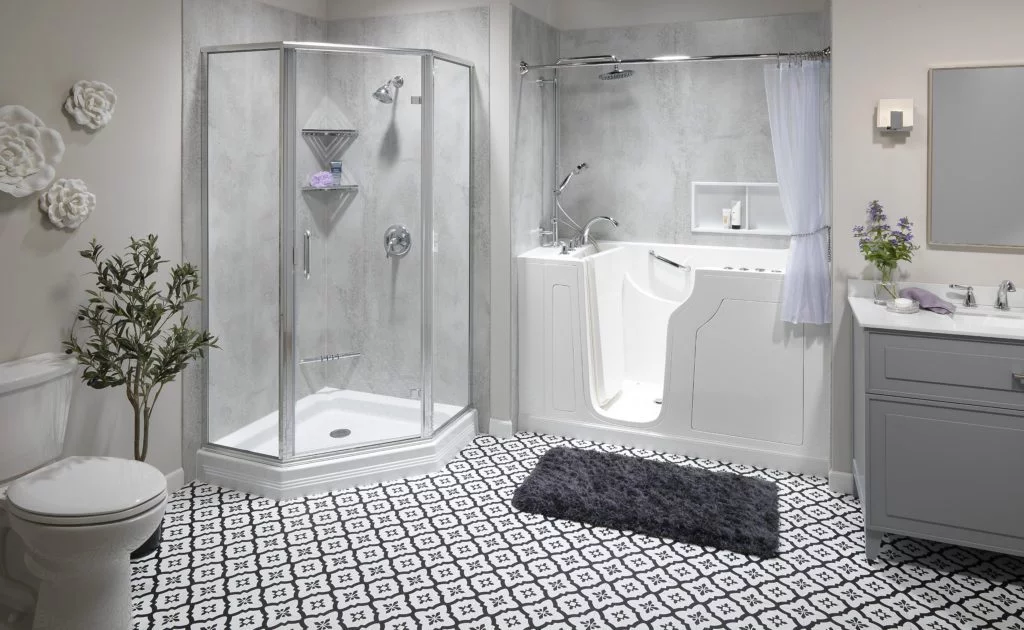
For those seeking comfort, accessibility, and safety in their bathing routine, walk-in tubs offer a practical solution. However, these tubs often use more water than standard bathtubs, raising concerns about water usage and utility costs. By following practical walk-in tub water conservation tips, you can enjoy a relaxing soak while minimizing your environmental impact and keeping bills in check.
This guide covers actionable strategies to reduce water consumption, from choosing the right tub features to adopting mindful bathing habits. We’ll also highlight how small changes can make a significant difference, and provide resources for further optimizing your bathroom routine.
Maintaining your walk-in tub and bathroom efficiently can also be supported by using the right cleaning tools. For example, learning about the benefits of microfiber towels for walk-in showers can help you keep surfaces spotless with less water and fewer chemicals.
Understanding Water Usage in Walk-In Bathtubs
Walk-in tubs are designed for accessibility and comfort, but their deeper basins typically require more water to fill compared to standard tubs. A traditional bathtub holds around 40 to 60 gallons, while walk-in models can use 50 to 80 gallons per bath. This increased capacity means that being mindful of water use is essential for both environmental and cost reasons.
Several factors influence how much water your tub uses:
- Size and depth of the tub
- How full you fill the tub for each bath
- Features such as jets or whirlpool systems
- Water pressure and fill rate
Understanding these variables is the first step toward implementing effective water-saving strategies.
Choosing the Right Tub for Efficient Soaking
Selecting a walk-in tub with water conservation in mind can make a big difference. Look for models that are designed to maximize comfort while minimizing water usage. Some features to consider include:
- Compact designs that provide a comfortable seat without excessive depth
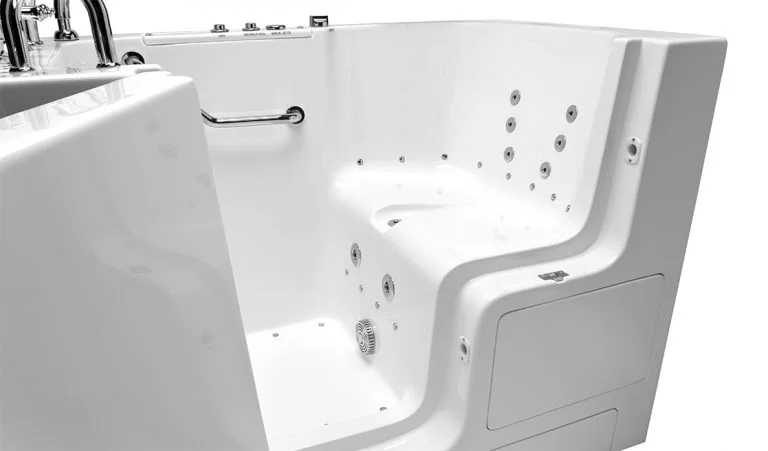
- Contoured seating to reduce the amount of water needed to cover the body
- Efficient jet systems that circulate water without requiring a full tub
- Quick-drain and quick-fill technology to reduce waiting times and potential water waste
For more details on how to select a tub that matches your needs, check out resources like the walk-in showers for seniors guide, which also covers accessible bathroom solutions.
Practical Walk-In Tub Water Conservation Tips
There are several simple yet effective ways to reduce water usage without sacrificing comfort or safety. Here are some of the most impactful methods:
-
Fill the Tub Only as Needed
Most walk-in tubs are designed so you can sit comfortably with less water. Avoid filling the tub to the brim—just enough to cover your legs and lower torso is usually sufficient for a relaxing soak.
-
Install a Water-Efficient Faucet
Modern faucets with flow restrictors or aerators can help control the rate of water entering the tub. For more on improving fill times and efficiency, see the walk-in tub quick fill faucet guide.
-
Monitor Bathing Time
Shortening your soak by even a few minutes can save several gallons per bath. Set a timer if needed to help keep track.
-
Use the Right Temperature
Adjusting the water temperature before filling the tub prevents the need to add more water later to reach a comfortable level.
-
Check for Leaks and Drips
Regularly inspect your tub and plumbing for leaks, which can waste water over time. Prompt repairs are essential for conservation.
Smart Maintenance for Water Savings
Keeping your walk-in tub in top condition not only extends its lifespan but also helps prevent unnecessary water waste. Here are a few maintenance-focused walk-in tub water conservation tips:
- Clean jets and drains regularly to maintain optimal flow and drainage
- Inspect seals and gaskets to ensure there are no leaks
- Flush the tub’s plumbing system as recommended by the manufacturer
- Use walk-in tub suction safety features to prevent accidental water loss or entrapment
Consistent care ensures your tub operates efficiently, saving both water and money over time.
Additional Ways to Reduce Water Use in the Bathroom
While focusing on your walk-in tub is important, adopting a holistic approach to water conservation in the bathroom can amplify your efforts. Consider these broader strategies:
- Switch to low-flow showerheads and faucets throughout your home
- Fix dripping taps and running toilets promptly
- Collect and reuse bathwater for cleaning or watering plants (where safe and practical)
- Educate family members about mindful water use during all bathroom activities
For those comparing different accessible bathing options, reviewing resources like comparing walk-in tubs for elderly and disabled can help you choose solutions that align with your conservation goals.
Optimizing Your Bathing Routine for Conservation
Beyond equipment and maintenance, your daily habits play a crucial role in reducing water consumption. Try these approaches:
-
Bathe Less Frequently
If possible, alternate between full baths and quick showers to cut down on overall water use.
-
Share Bathwater
In households with multiple users, consider sharing the same bathwater for consecutive soaks, provided it remains clean and safe.
-
Use Bath Additives Wisely
Opt for products that don’t require rinsing or excessive water to remove, further minimizing waste.
Even small adjustments can add up to significant savings over time, especially when combined with the right equipment and maintenance routines.
Measuring and Tracking Water Savings
To truly understand the impact of your efforts, consider measuring your water usage before and after implementing conservation strategies. Some ways to track progress include:
- Reading your water meter before and after baths
- Using a container to measure how much water your tub holds at various fill levels
- Keeping a log of bathing frequency and estimated water use
Tracking these metrics helps you stay motivated and identify further opportunities for improvement. For those interested in optimizing accessibility, learning how to measure walk-in tub threshold height can also contribute to safer and more efficient use.
Frequently Asked Questions
How much water does a typical walk-in tub use?
Most walk-in tubs require between 50 and 80 gallons per use, depending on the model and how full you fill it. Choosing a compact or contoured design and filling only as needed can help reduce this amount.
Are there walk-in tubs designed specifically for water efficiency?
Yes, some manufacturers offer models with features like contoured seats, smaller basins, and efficient jet systems that use less water while still providing a comfortable soak. Look for tubs that advertise water-saving features and read user reviews for real-world insights.
What are the easiest ways to save water with my current walk-in tub?
Simple steps include filling the tub only as much as needed, taking shorter baths, using a water-efficient faucet, and regularly checking for leaks. Maintenance and mindful habits can lead to substantial water savings over time.
Conclusion
Adopting walk-in tub water conservation tips is a smart way to enjoy the benefits of accessible bathing while being mindful of your environmental footprint and utility expenses. By selecting efficient equipment, maintaining your tub, and practicing water-wise habits, you can relax with confidence—knowing you’re making a positive impact. For more tips on accessible and sustainable bathroom solutions, explore the resources and guides linked throughout this article.