
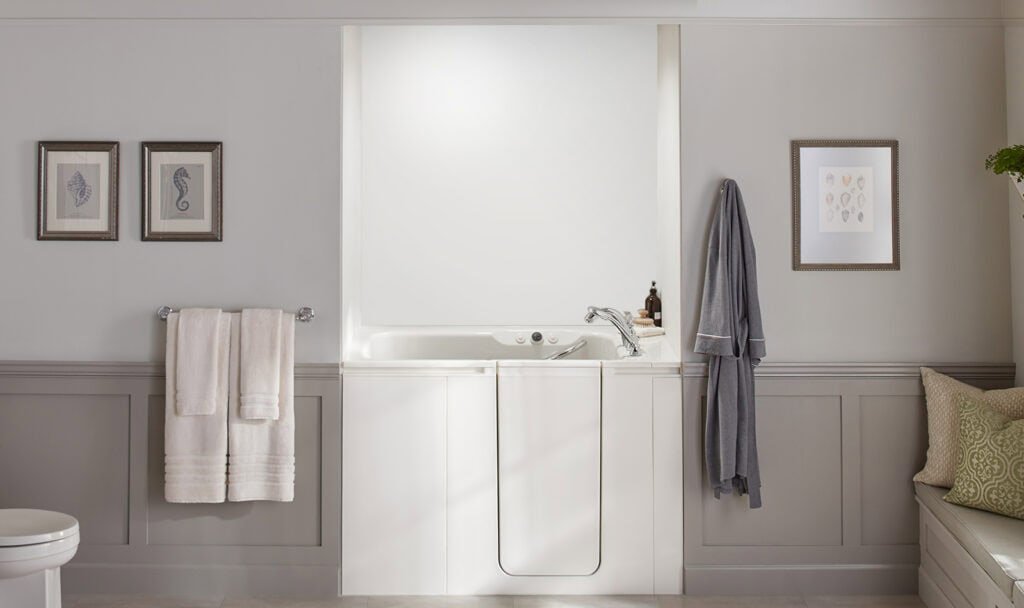
Finding the ideal height for a shower bench is essential for both safety and comfort, especially for those with mobility challenges or anyone seeking a more accessible bathing experience. The right height can make a significant difference in ease of use, stability, and overall satisfaction. This guide provides clear, practical shower bench height recommendations based on industry standards and user needs, helping you make informed decisions for your bathroom renovation or upgrade.
Whether you are planning a new installation or retrofitting an existing shower, understanding the factors that influence bench height will ensure a safer and more comfortable environment. We’ll cover standard measurements, customization options, and tips for choosing the best solution for your situation. For those interested in related safety features, you may also want to review walk-in shower grab bar weight ratings to ensure comprehensive support in your bathroom design.
Understanding Standard Shower Bench Heights
The most widely accepted guideline for shower bench height recommendations comes from the Americans with Disabilities Act (ADA). According to ADA standards, the recommended height for a permanent shower seat is between 17 and 19 inches from the finished floor to the top of the seat. This range is designed to accommodate most adults comfortably, providing a balance between ease of sitting and standing while maintaining safety.
For comparison, standard chair seat heights typically fall within this same range, which helps users transition smoothly between sitting and standing. However, these measurements are not one-size-fits-all. Individual needs, body types, and specific mobility requirements may call for adjustments to these guidelines.
Factors That Influence the Ideal Bench Height
While the ADA provides a strong starting point, several factors should be considered when determining the best height for your shower bench:
- User Height and Mobility: Taller individuals may prefer a slightly higher seat, while shorter users or those with limited leg strength may find a lower bench more manageable.
- Type of Shower: Walk-in showers, tub-shower combos, and roll-in showers may each have different optimal bench heights based on their design and intended use.
- Transfer Needs: For those who use wheelchairs or require assistance, the bench height should facilitate easy transfers and minimize the risk of falls.
- Bench Type: Folding, built-in, and portable benches may have different height options and installation requirements.
It’s important to measure from the finished floor surface, accounting for any tile or shower pan thickness, to ensure the final seat height meets your needs.
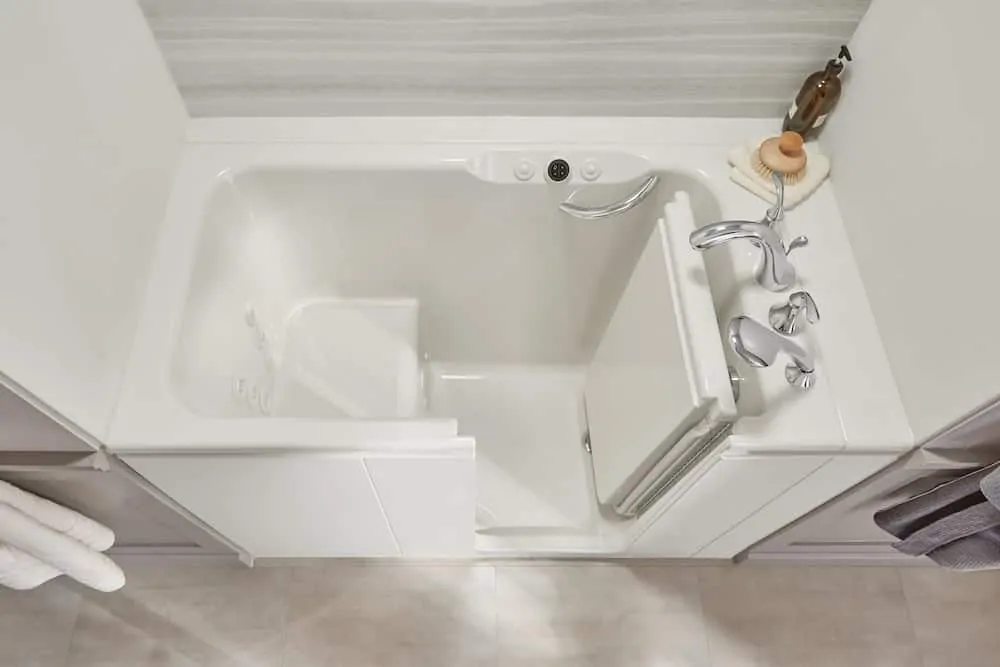
Customizing Bench Height for Maximum Comfort
While standard guidelines are helpful, customizing the height of your shower bench can significantly improve comfort and usability. Here are some tips for tailoring the seat height to your needs:
- Test Different Heights: Before installation, use a sturdy chair or temporary bench at various heights to determine what feels most comfortable and secure.
- Consider Future Needs: If you anticipate changes in mobility, such as after surgery or with aging, plan for a height that will remain practical over time.
- Consult with Professionals: Occupational therapists or bathroom remodeling experts can provide valuable input based on your specific requirements.
- Adjustability: Some portable or folding benches offer adjustable legs, allowing you to fine-tune the height as needed.
Remember, the goal is to create a seating surface that allows your feet to rest flat on the floor, knees at a comfortable angle, and easy movement on and off the bench.
Bench Height Recommendations for Different Shower Types
Depending on the style of your shower, the optimal bench height may vary:
| Shower Type | Recommended Bench Height | Notes |
|---|---|---|
| Walk-In Shower | 17–19 inches | Matches ADA guidelines; suitable for most adults. |
| Tub-Shower Combo | 15–18 inches | May require a slightly lower seat for easier access over tub wall. |
| Roll-In Shower | 17–19 inches | Facilitates wheelchair transfers; check for adequate clearance. |
| Portable Bench | Adjustable (15–22 inches) | Choose a height that best suits the user and shower configuration. |
Always verify that the chosen height works well with other safety features, such as grab bars and non-slip surfaces. For more details on the construction of walk-in tubs, see walk-in tub frame construction types.
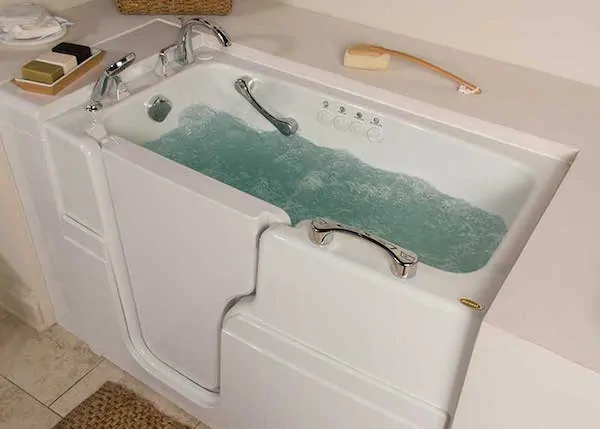
Safety and Accessibility Considerations
Beyond just height, several other factors contribute to a safe and accessible shower bench setup:
- Sturdy Construction: Ensure the bench is securely mounted or, if portable, has non-slip feet and a stable base.
- Waterproof Materials: Choose materials that resist water damage and are easy to clean, such as teak, plastic, or sealed stone.
- Proper Placement: Position the bench to allow easy access to shower controls and grab bars. For more on faucet options, see walk-in tub faucet types and flow rates.
- Non-Slip Surfaces: Both the bench seat and the shower floor should have slip-resistant textures to reduce the risk of falls.
For additional tips on accessible shower design, you can explore walk-in shower design ideas for accessibility.
Maintenance and Longevity
Proper care extends the life of your shower bench and maintains its safety. Regularly inspect for signs of wear, such as cracks, loose hardware, or water damage. Clean the bench with mild soap and water, and avoid harsh chemicals that may degrade the material. If you have a folding or portable bench, check the adjustment mechanisms and feet for stability.
For those considering a new walk-in tub or shower, reviewing warranty terms is also important. Learn more about understanding walk-in tub warranty terms to protect your investment.
Frequently Asked Questions
What is the standard height for a shower bench?
The standard height for a permanent shower bench is typically between 17 and 19 inches from the finished floor to the top of the seat, following ADA guidelines. This range suits most adults and provides a balance of comfort and safety.
Can I customize the height of my shower bench?
Yes, customizing the height is possible and often recommended for maximum comfort. Consider your height, mobility, and specific needs. Adjustable benches are available, or you can work with a contractor to build a bench at your preferred height.
Are there different height recommendations for tub-shower combos?
For tub-shower combinations, a slightly lower seat—between 15 and 18 inches—may be more practical, especially if you need to step over a tub wall. Always ensure the seat height allows for safe and easy transfers.
How do I ensure my shower bench is safe?
Choose a bench made from waterproof, durable materials, and make sure it is securely installed. Non-slip surfaces and proper placement near grab bars enhance safety. Regular maintenance and inspection are also important.
Conclusion
Choosing the right shower bench height is a key step in creating a safe, accessible, and comfortable bathing space. By considering standard guidelines, personal needs, and the specific type of shower, you can select or customize a bench that enhances your daily routine. Don’t forget to factor in other accessibility features and regular maintenance to ensure long-term satisfaction and safety in your bathroom.