Making a home safer and more comfortable for older adults does not have to be expensive or overwhelming. Many families look for budget friendly home upgrades for elderly to help loved ones maintain independence and reduce the risk of falls or injuries. Simple changes can make a significant difference in daily life, and there are practical, affordable solutions for every room.
From improving bathroom safety to enhancing lighting and accessibility, this guide covers effective ways to adapt a living space for seniors. Whether you are planning ahead or responding to changing needs, these tips can help you create a supportive environment without straining your finances.
For those considering bathroom modifications, understanding walk-in shower grab bar weight ratings can help ensure proper support and safety. Early planning and targeted upgrades can make a home more accessible and enjoyable for years to come.
Essential Low-Cost Safety Improvements
Safety is a top priority when adapting a home for seniors. Fortunately, many effective upgrades are both affordable and easy to install. Here are some of the most impactful changes to consider:
- Non-slip mats and rugs: Place non-slip mats in bathrooms, kitchens, and entryways to prevent falls. Secure area rugs with double-sided tape or non-slip pads.
- Grab bars and handrails: Install grab bars near toilets, showers, and bathtubs. Handrails along stairways and hallways provide extra support for mobility.
- Improved lighting: Replace dim bulbs with brighter, energy-efficient LED lights. Add nightlights in hallways and bathrooms to help with nighttime navigation.
- Declutter walkways: Remove unnecessary furniture and cords from pathways to reduce tripping hazards.
- Lever-style door handles: Swap out round doorknobs for lever handles, which are easier for arthritic hands to operate.
Affordable Bathroom Upgrades for Seniors
The bathroom is one of the most important areas to address when making a home more senior-friendly. Many upgrades can be done on a budget and significantly reduce the risk of slips and falls.
- Raised toilet seats: These make it easier to sit and stand, reducing strain on knees and hips.
- Shower chairs and benches: Provide a safe place to sit while bathing, especially for those with balance issues.
- Handheld showerheads: Flexible showerheads make bathing more convenient and accessible.
- Anti-scald devices: Install these on faucets to prevent accidental burns.
- Easy-to-reach storage: Lower shelves and organizers keep toiletries within reach, minimizing the need to bend or stretch.
For more in-depth information about bathroom modifications, you might find the article on walk-in tub frame construction types helpful when considering future upgrades.
Simple Kitchen and Living Room Enhancements
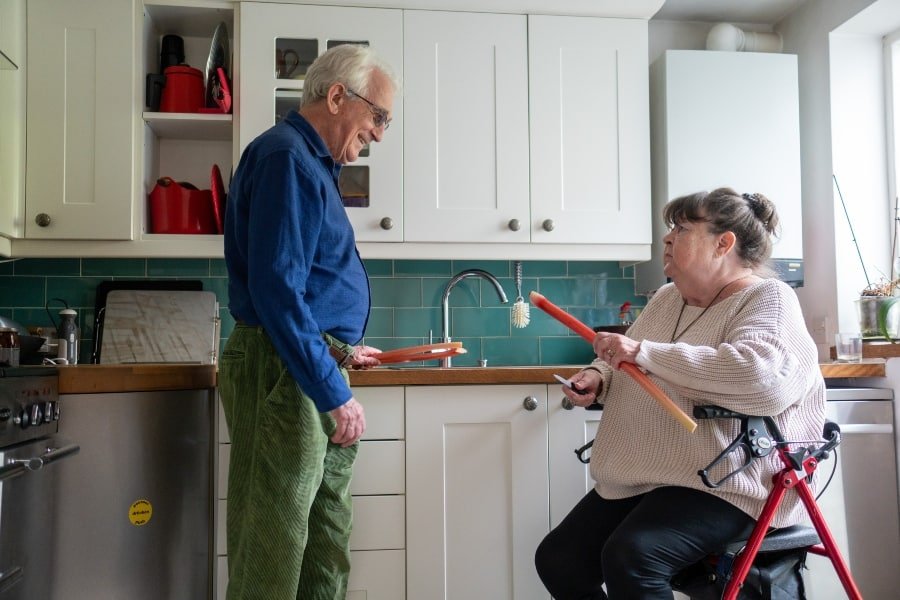
Everyday tasks in the kitchen and living areas can be made easier and safer with a few thoughtful adjustments. These upgrades are cost-effective and can be completed in a weekend:
- Pull-out shelves: Install pull-out trays in cabinets to make pots, pans, and pantry items more accessible.
- Touch or rocker light switches: Replace traditional switches with touch or rocker types for easier use.
- Contrasting colors: Use contrasting colors for countertops, cabinets, and floors to help those with vision changes distinguish surfaces.
- Furniture risers: Raise the height of sofas and chairs to make sitting and standing less difficult.
- Remote-controlled outlets: Allow lamps and appliances to be turned on or off without bending or reaching.
These upgrades not only improve safety but also support independent living, which is a key goal for many seniors and their families.
Entryway and Outdoor Accessibility on a Budget
Safe entry and exit are essential for older adults, especially those using mobility aids. There are several affordable ways to make entrances more accessible:
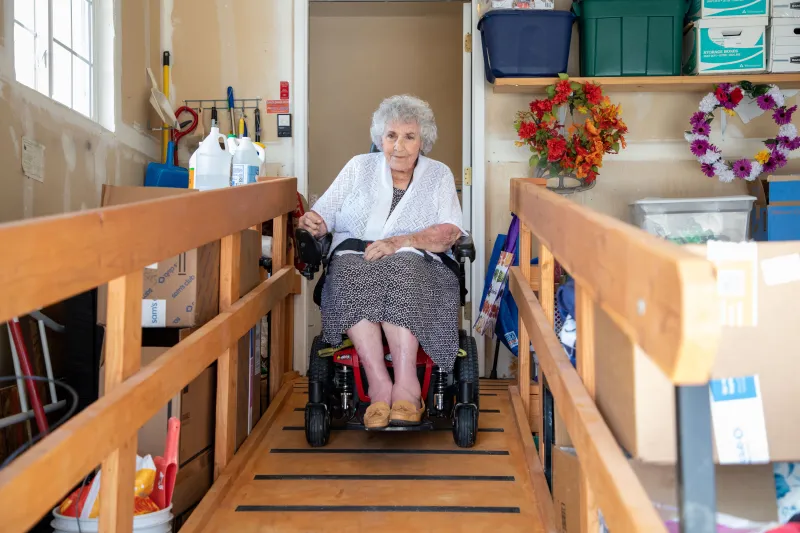
- Portable ramps: Lightweight ramps can be placed over steps to accommodate wheelchairs, walkers, or scooters.
- Motion-sensor lights: Install these near doorways and walkways to improve visibility at night.
- Secure railings: Add sturdy handrails on both sides of steps and porches.
- Low-threshold doors: Consider installing threshold ramps or replacing high sills with low-profile options.
- Keyless entry systems: Keypad locks or smart locks eliminate the need to fumble with keys.
For those interested in more advanced bathroom solutions, learning about are walk-in tubs covered by insurance can help with planning and budgeting for future accessibility needs.
Financial Assistance and Resources for Home Modifications
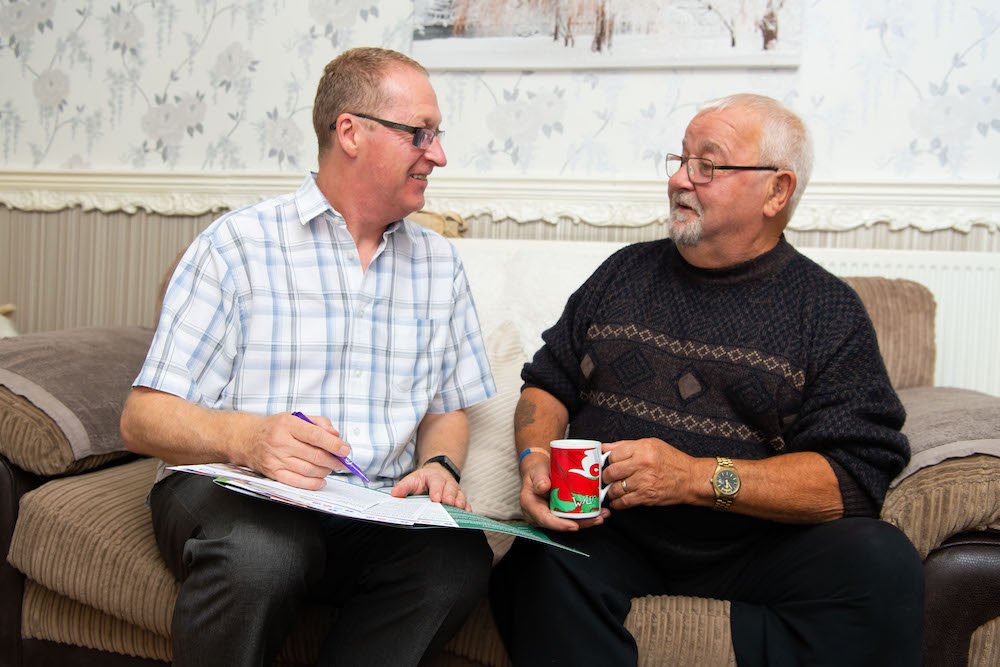
Many families worry about the cost of making a home safer for seniors. However, there are programs and resources that can help offset expenses. Some local governments, nonprofits, and federal agencies offer grants or low-interest loans for home safety improvements.
For example, the U.S. government provides information on home repair and modification programs that can assist with essential upgrades. It’s also worth checking with local agencies on aging or community organizations for additional support.
When considering larger investments, such as walk-in tubs, understanding walk-in tub warranty terms can help you make informed decisions and protect your investment.
Maintaining Comfort and Independence
Small, affordable changes can have a big impact on the comfort and safety of older adults. By focusing on practical solutions and prioritizing high-risk areas, families can create a supportive environment that promotes independence and peace of mind. Regularly reviewing and updating home features ensures that the living space continues to meet evolving needs.
For those planning ahead, exploring topics like walk-in tub faucet types and flow rates can help you prepare for future upgrades while staying within budget.
Frequently Asked Questions
What are the most important safety upgrades for seniors living at home?
Key improvements include installing grab bars in bathrooms, adding non-slip mats, improving lighting, and removing tripping hazards. These changes are affordable and can greatly reduce the risk of falls.
Are there financial assistance programs for home modifications?
Yes, several government and nonprofit programs offer grants or low-interest loans for home safety upgrades. The U.S. government’s home repair and modification programs are a good starting point for finding support.
How can I make a bathroom safer for an elderly family member on a budget?
Affordable options include installing a raised toilet seat, adding a shower chair, using non-slip mats, and placing grab bars near the toilet and shower. These upgrades are easy to install and make a significant difference in safety and comfort.