
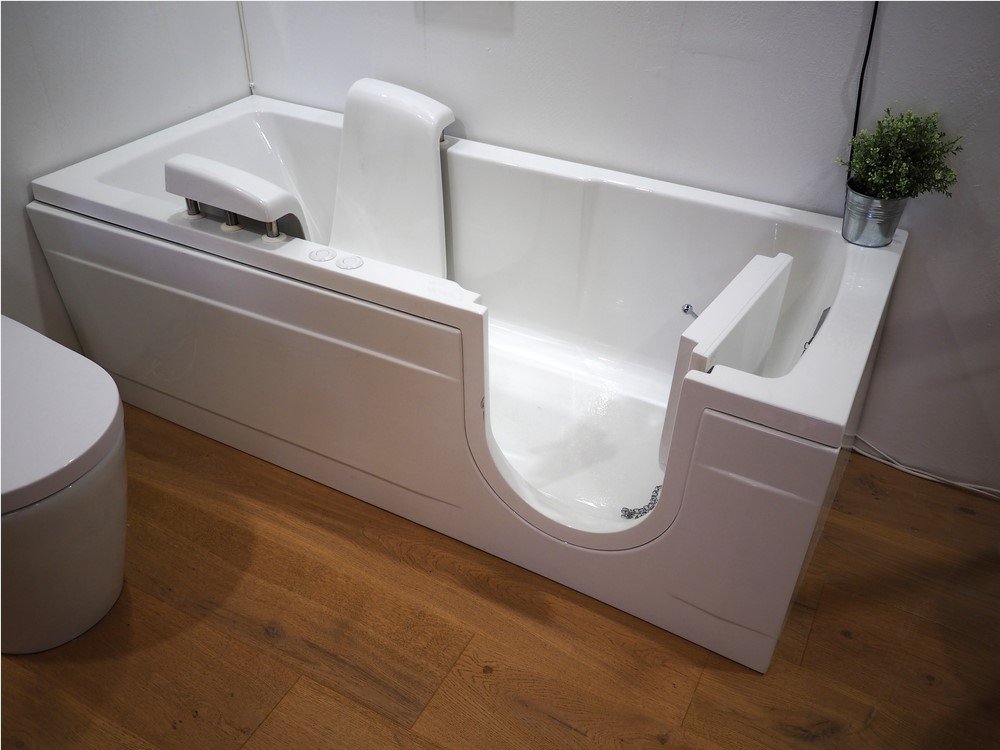
Ensuring a safe and comfortable bathing experience is a priority for many homeowners, especially for those with mobility concerns. One of the most important aspects of walk-in tub safety is the threshold height—the distance you must step over to enter the tub. Knowing how to measure walk-in tub threshold height accurately helps you select a model that minimizes tripping hazards and supports easy entry and exit.
This guide will walk you through the process of measuring the threshold, explain why it matters, and provide practical tips for comparing different models. If you’re considering a new tub or planning a bathroom remodel, understanding this measurement is essential for making an informed decision.
For those comparing different options, it’s helpful to review resources like comparing walk-in tubs for elderly and disabled to see how threshold heights and other features stack up across popular models.
Understanding Walk-In Tub Thresholds
The threshold is the raised edge at the entrance of a walk-in tub. It’s designed to keep water inside while allowing for easier access than a traditional bathtub. The height of this step can vary significantly between models, ranging from as low as 2 inches to over 7 inches. A lower threshold generally means safer and simpler entry, especially for seniors or anyone with limited mobility.
Manufacturers often highlight low thresholds as a key safety feature, but actual measurements can differ from what’s advertised. That’s why knowing how to measure walk-in tub threshold height yourself is so important before making a purchase.
Why Accurate Measurement Matters
Even a difference of an inch or two in threshold height can impact safety and ease of use. A lower step reduces the risk of tripping and makes it easier for users with walkers or wheelchairs to enter the tub. Accurate measurements also help you:
- Compare models objectively
- Ensure ADA compliance if required
- Plan for future mobility needs
- Communicate effectively with installers or contractors
Taking the time to measure properly can prevent costly mistakes and ensure your bathroom remains accessible for years to come.
Step-by-Step: Measuring the Threshold Height
Follow these steps to get a precise measurement of your walk-in tub’s threshold:
- Gather your tools: You’ll need a tape measure or ruler and a notepad to record the measurement.
- Locate the entry point: Stand outside the tub and identify the lowest part of the threshold where you would step in.
- Measure from the floor to the top of the threshold: Place the end of your tape measure flat on the bathroom floor, right next to the tub’s entry. Extend the tape vertically to the highest point of the threshold (not the inside floor of the tub).
- Record the measurement: Note the height in inches. If the floor is uneven, measure at several points and use the highest value.
- Double-check your result: Repeat the process to ensure accuracy.
Some tubs may have sloped or rounded edges, so always measure at the point where your foot would naturally step over.
Tips for Comparing Threshold Heights
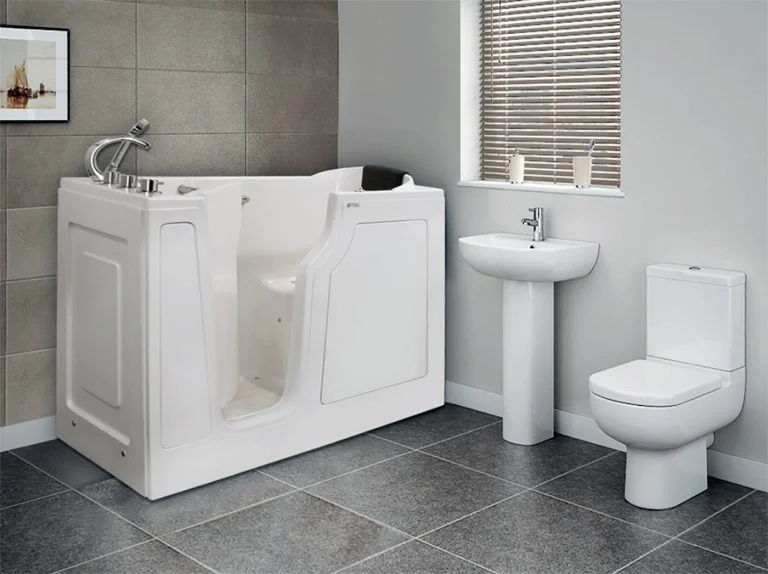
When shopping for a new walk-in tub, use your measurement to compare different models. Here are some practical tips:
- Check manufacturer specifications: Always verify the listed threshold height with your own measurement if possible.
- Visit showrooms: If you can, step into display models to feel the difference in threshold heights.
- Consider future needs: If you anticipate mobility changes, opt for the lowest threshold available.
- Ask about modifications: Some tubs allow for custom threshold adjustments or ramps.
- Compare with alternatives: For some, a walk-in shower may offer an even lower entry point. Learn more about the differences in walk-in baths vs. walk-in showers for aging in place.
It’s also helpful to look at features like door width, handle placement, and anti-slip surfaces when evaluating ease of entry.
Common Threshold Heights and What They Mean
Threshold heights for walk-in tubs typically fall into three categories:
| Threshold Height | Ease of Entry | Best For |
|---|---|---|
| 2–4 inches | Very easy | Wheelchair users, those with severe mobility issues |
| 4–6 inches | Moderate | Most seniors, general accessibility |
| 6+ inches | More difficult | Users with good balance and mobility |
Lower thresholds are generally safer, but may come at a higher cost or with fewer model options. Always balance accessibility needs with budget and available space.
Other Factors to Consider Beyond Threshold Height
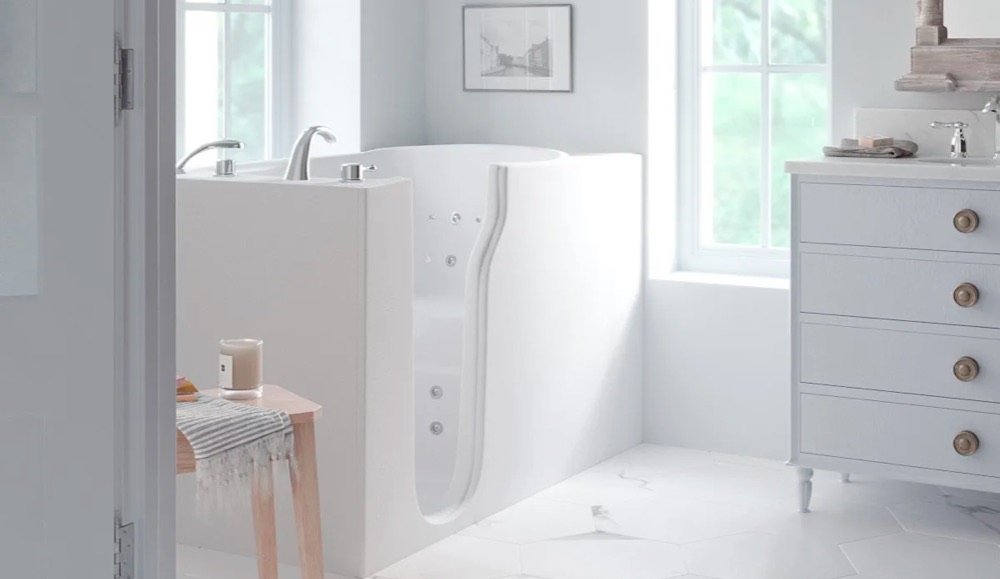
While the step-in measurement is crucial, it’s not the only factor in choosing a walk-in tub. Consider these additional features:
- Door design: Outward- or inward-swinging doors can affect accessibility and bathroom layout.
- Seat height: A comfortable seat makes transfers easier and safer.
- Grab bars and handrails: Built-in supports add stability during entry and exit.
- Non-slip flooring: Reduces the risk of slips and falls inside the tub.
- Faucet and drain speed: Fast-filling and draining features minimize wait times. For more on this, see the walk-in tub quick fill faucet guide.
Evaluating the entire tub design ensures you get a product that meets your needs now and in the future.
Frequently Asked Questions
What is the average threshold height for walk-in tubs?
Most walk-in tubs have a threshold between 3 and 7 inches. However, some premium models feature ultra-low thresholds as low as 2 inches, making them ideal for users with significant mobility challenges.
Can the threshold height be modified after installation?
In most cases, the threshold is a fixed part of the tub’s structure and cannot be lowered after installation. However, some manufacturers offer ramps or step modifications that can be added to existing tubs for easier access.
How does threshold height compare to walk-in showers?
Walk-in showers typically have a much lower entry point—sometimes level with the floor—making them even more accessible. If you’re considering both options, see the walk-in shower linear drain vs center drain article for more details on shower accessibility.
Conclusion
Knowing how to measure walk-in tub threshold height is a key step in selecting a safe and accessible bathing solution. By following the steps outlined above, you can confidently compare different models and choose the right fit for your needs. Always prioritize safety and accessibility, and don’t hesitate to consult with professionals or visit showrooms for hands-on comparisons. With the right information, you’ll be well-equipped to make a decision that enhances comfort and independence in your home.