
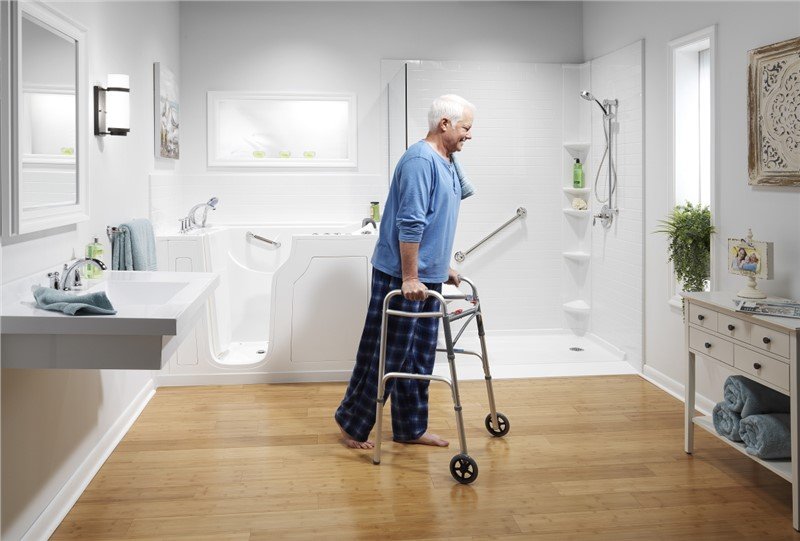
Choosing between a curtain and a door for a walk-in shower is more than just a matter of style. For many homeowners, especially those prioritizing walk-in shower curtain vs door safety, the decision can impact daily comfort, accessibility, and maintenance. Both options offer unique advantages and drawbacks when it comes to preventing slips, ensuring privacy, and simplifying cleaning routines. Understanding these differences is essential for anyone planning a bathroom remodel or seeking to improve accessibility for seniors or those with mobility challenges.
For those comparing features for elderly or disabled users, you may also find value in comparing walk-in tubs for elderly and disabled to further inform your bathroom safety decisions.
Understanding the Safety Differences
When evaluating walk-in shower curtain vs door safety, the core concern is minimizing the risk of slips and falls. Shower doors, especially glass ones, provide a solid barrier that prevents water from escaping onto the bathroom floor. This containment reduces the likelihood of puddles and slippery surfaces outside the shower area. However, doors can sometimes be difficult to maneuver for individuals with limited mobility, and the threshold at the bottom may pose a tripping hazard.
Shower curtains, on the other hand, offer a flexible entry point with no rigid threshold. This can make access easier for wheelchair users or those who use walkers. However, curtains are more prone to allowing water to escape if not positioned correctly, potentially increasing the risk of slippery floors. Choosing a weighted or magnetic curtain can help improve water containment, but it may not match the seal of a well-installed door.
Accessibility and Ease of Use
For individuals with mobility challenges, the ease of entering and exiting the shower is a top priority. Shower curtains are generally easier to move aside, requiring minimal strength or dexterity. This makes them a popular choice for accessible bathrooms or for users who may need assistance from a caregiver. Curtains also allow for a wider opening, which can accommodate wheelchairs or transfer benches without obstruction.
Shower doors, particularly sliding or pivot models, can be more cumbersome. Some doors require a certain amount of force to open or close, and the presence of tracks or thresholds can complicate entry. Frameless doors with low or zero thresholds are available, but they often come at a higher price point. For those interested in optimizing entry height, learning how to measure walk-in tub threshold height can be helpful for comparison.

Cleaning and Maintenance Considerations
Maintenance is another key factor in the curtain versus door debate. Shower curtains are typically made from fabric or vinyl and can be removed for washing or replacement. This makes them a low-cost, low-commitment solution. However, curtains can be prone to mold and mildew if not dried properly, and they may need to be replaced more frequently than doors.
Glass doors, while more durable, require regular cleaning to prevent soap scum and water spots. Hinges, tracks, and seals can also accumulate grime and may need periodic maintenance. Frameless doors are easier to clean than framed models, but all glass surfaces benefit from squeegeeing after each use. For those who prioritize a low-maintenance bathroom, the choice may come down to personal preference and willingness to perform routine cleaning tasks.
Water Containment and Bathroom Protection
One of the main reasons homeowners opt for doors is their superior ability to keep water inside the shower area. A properly installed door, especially one with magnetic seals or a continuous bottom sweep, can almost eliminate leaks. This is particularly important in bathrooms with wood or laminate flooring, where water damage is a concern.
Shower curtains, while convenient, require careful positioning to prevent water from escaping. Using a liner in addition to the outer curtain can help, as can selecting a curtain that extends well below the edge of the shower pan. Still, some water may escape, especially if the curtain is not fully closed or if users are less attentive. This can be a safety concern for those at risk of slipping.
Cost and Installation Factors
Budget often plays a significant role in the decision-making process. Shower curtains are inexpensive, easy to install, and simple to replace. They require only a rod and hooks, making them a practical choice for quick updates or temporary solutions.
Shower doors, by contrast, represent a larger investment. Professional installation is usually required, and the cost can vary widely depending on the material, size, and style. Frameless glass doors are typically the most expensive, but they offer a sleek, modern look and easier cleaning. For those seeking a balance between cost and function, semi-frameless or framed doors may be suitable.
Which Option Is Best for Your Needs?
Ultimately, the best choice depends on your household’s unique requirements. If accessibility and flexibility are top priorities, a shower curtain may be the better fit. For those who value water containment and a modern aesthetic, a door could be the way to go. It’s also worth considering the needs of all users, including children, seniors, and anyone with limited mobility.
For seniors or those with disabilities, additional safety features such as grab bars, non-slip flooring, and accessible fixtures can further enhance bathroom safety. Exploring resources like walk-in tubs for seniors can provide more options for creating a safe and comfortable bathing environment.
Additional Practical Tips
- Install non-slip mats both inside and outside the shower to reduce fall risk.
- Consider a curved shower rod for curtains to increase space and minimize water escape.
- Regularly check and replace shower curtain liners to prevent mold buildup.
- For doors, inspect seals and sweeps periodically to ensure effective water containment.
- If you’re interested in optimizing water drainage, review the walk-in shower linear drain vs center drain guide for more information.
Frequently Asked Questions
Are shower doors safer than curtains for seniors?
Shower doors can provide better water containment, reducing slip hazards outside the shower. However, they may be harder to open and close for those with limited mobility. Curtains offer easier access but may allow more water to escape. The safest option often includes additional safety features like grab bars and non-slip flooring.
How can I prevent water from leaking out with a shower curtain?
Use a high-quality liner that extends inside the shower pan, and ensure the curtain is fully closed during use. Weighted or magnetic curtains can help keep water inside. Regularly check for gaps and replace liners as needed to maintain effectiveness.
Which is easier to clean: a shower curtain or a door?
Shower curtains are generally easier to remove and wash or replace. However, they can develop mold if not dried properly. Glass doors require regular cleaning to prevent buildup but are more durable in the long run. Maintenance routines will depend on your preferences and willingness to clean.
Can I install a shower door myself?
While some prefabricated doors are designed for DIY installation, most glass doors require professional fitting to ensure safety and proper sealing. Incorrect installation can lead to leaks or even breakage, so professional help is recommended for most homeowners.
Conclusion
Both shower curtains and doors have their place in modern bathrooms, each offering distinct benefits for safety, accessibility, and maintenance. By carefully considering your household’s needs and the specific features of each option, you can create a bathroom that is both practical and safe for all users. For further guidance on selecting the right fixtures or improving bathroom accessibility, explore related resources and consult with professionals as needed.