
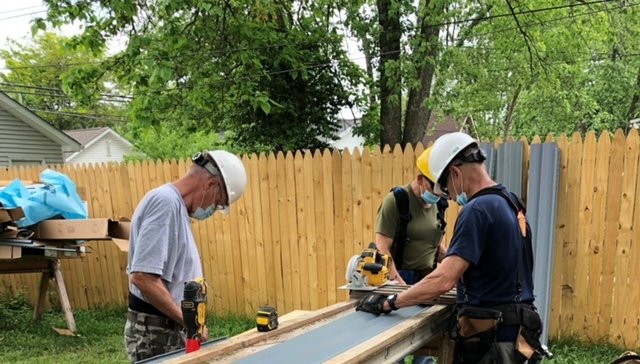
As people age, the home environment can present new challenges. Simple changes and targeted upgrades can make a significant difference in reducing risks and supporting independence. Whether you are a senior, a caregiver, or a concerned family member, understanding practical ways to enhance safety at home is essential. This article explores a range of effective strategies, from small adjustments to larger modifications, that help create a safer, more comfortable living space for older adults.
Addressing common hazards, improving accessibility, and leveraging modern technology can all contribute to a secure and supportive home. We’ll also touch on useful resources and provide guidance on prioritizing improvements based on individual needs. For those considering bathroom upgrades, learning about walk-in shower grab bar weight ratings can be a valuable first step in ensuring proper support.
Why Home Safety Matters for Older Adults
As mobility, vision, and balance change over time, the risk of accidents in the home increases. Falls are a leading cause of injury among seniors, and many of these incidents are preventable with the right precautions. Beyond physical safety, a secure environment also supports emotional well-being, allowing older adults to remain independent and confident in their daily routines.
Proactive home safety improvements can reduce emergency room visits, lower healthcare costs, and provide peace of mind for both seniors and their loved ones. By addressing potential hazards and making thoughtful adjustments, families can help ensure that the home remains a place of comfort and security.
Key Senior Home Safety Improvement Tips
Implementing a few targeted changes can have a big impact. Here are some of the most effective ways to enhance safety and accessibility for older adults:
- Remove Tripping Hazards: Eliminate loose rugs, clutter, and cords from walkways. Secure carpets and ensure all flooring transitions are smooth.
- Improve Lighting: Install bright, glare-free lighting in hallways, staircases, and entryways. Use nightlights in bedrooms and bathrooms to prevent falls at night.
- Install Grab Bars and Handrails: Place sturdy grab bars in bathrooms near toilets and inside showers. Handrails on both sides of stairs provide extra support.
- Upgrade Bathroom Safety: Consider walk-in tubs or showers with non-slip surfaces. For more on this, see the guide to walk-in tub frame construction types.
- Reduce Slippery Surfaces: Use non-slip mats in bathrooms and kitchens. Clean up spills promptly to prevent slips.
- Organize Frequently Used Items: Store everyday items within easy reach to avoid the need for step stools or bending.
- Check Smoke and Carbon Monoxide Detectors: Ensure alarms are installed and batteries are replaced regularly.
- Secure Entryways: Install sturdy locks, peepholes, and security cameras if needed. Make sure doorways are accessible and free of obstructions.
- Consider Emergency Alert Systems: Devices that allow seniors to call for help in an emergency can be life-saving.
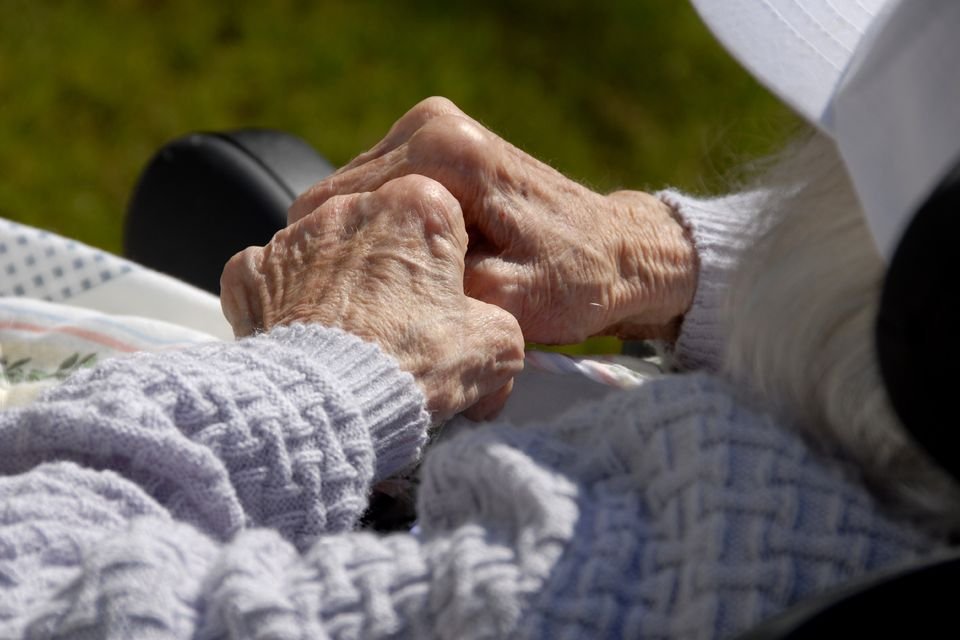
Room-by-Room Safety Upgrades for Seniors
Each area of the home presents unique challenges. Here are some room-specific suggestions to further enhance safety:
Bathroom Adjustments
- Add grab bars and non-slip mats in the shower and near the toilet.
- Use a raised toilet seat for easier transfers.
- Install a handheld showerhead for flexibility.
- For those considering major upgrades, understanding walk-in tub warranty terms can help with long-term planning.
Kitchen Improvements
- Store pots, pans, and utensils within easy reach.
- Use appliances with automatic shut-off features.
- Keep floors dry and free from spills.
- Clearly label medications and food items to avoid confusion.
Bedroom and Living Areas
- Place a phone or emergency alert device within arm’s reach of the bed.
- Ensure pathways are clear of furniture and cords.
- Use adjustable beds or chairs for easier movement.
- Install nightlights to illuminate the way to the bathroom.
Technology and Smart Devices for Safer Living
Modern technology offers valuable tools for supporting safety and independence. Consider these options:
- Medical Alert Systems: Wearable devices can connect seniors to emergency services at the push of a button.
- Smart Home Devices: Voice-activated assistants, automated lighting, and smart thermostats can simplify daily routines.
- Video Doorbells and Security Cameras: These devices allow for safe screening of visitors and monitoring of entryways.
- Medication Reminders: Automated pill dispensers and reminder apps help ensure medications are taken on schedule.

Financial Assistance and Resources for Home Modifications
Upgrading a home for safety can be a significant investment, but there are resources available to help offset costs. Some local agencies, nonprofits, and government programs offer grants or low-interest loans for home modifications. For comprehensive information on available support, visit this guide to home repair and modification assistance for seniors.
It’s also worth checking with insurance providers to see if certain upgrades, such as grab bars or medical alert systems, may be covered. For those considering walk-in tubs, you may want to learn more about insurance coverage for walk-in tubs and related claims.
Prioritizing Safety Upgrades: Where to Start
Not every home requires the same changes. Start by conducting a thorough safety assessment, either on your own or with the help of an occupational therapist. Focus first on areas with the highest risk of falls or injury, such as bathrooms, stairs, and entryways.
Involving the senior in decision-making can help ensure that changes are both practical and comfortable. Begin with simple fixes—like improving lighting and removing clutter—before moving on to larger projects such as bathroom remodels or installing ramps.
Remember, even small adjustments can make a big difference in daily life. Regularly review and update safety measures as needs change over time.
Frequently Asked Questions
What are the most important home safety improvements for seniors?
The most impactful changes typically include removing tripping hazards, installing grab bars in bathrooms, improving lighting throughout the home, and ensuring that smoke and carbon monoxide detectors are working properly. Adding emergency alert systems can also provide additional peace of mind.
How can technology help improve home safety for older adults?
Technology offers a range of solutions, from medical alert devices and smart home assistants to automated lighting and security cameras. These tools can help seniors stay connected, manage daily tasks, and quickly access help in an emergency.
Are there financial resources available for home modifications?
Yes, various programs offer financial assistance for home modifications. These may include local government grants, nonprofit organizations, and some insurance plans. For more details, consult resources like the home repair and modification assistance guide.
Should I hire a professional for home safety upgrades?
While many improvements can be done independently, hiring a professional may be necessary for structural changes, electrical work, or installing specialized equipment. Occupational therapists can also provide valuable advice on making the home safer and more accessible.
How often should I review and update home safety measures?
It’s a good idea to reassess the home environment at least once a year or whenever there are changes in health or mobility. Regular reviews help ensure that safety measures continue to meet the needs of the resident.
By following these practical suggestions and making thoughtful upgrades, families can help seniors enjoy a safer, more comfortable home for years to come.