
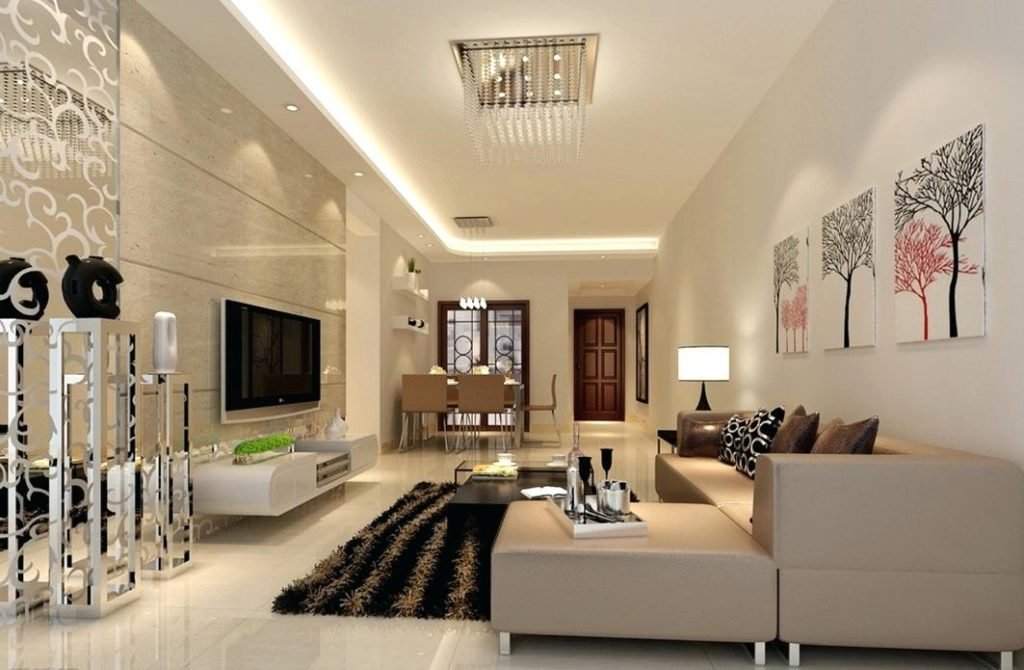
Proper illumination is a crucial factor in maintaining safety and comfort during everyday activities at home or in the workplace. Whether you’re preparing meals, reading, navigating hallways at night, or working in your garage, the right lighting setup can significantly reduce the risk of accidents and make each task more manageable. This article explores practical advice for optimizing lighting for task safety, helping you create environments that support both visibility and well-being.
From choosing the best fixtures to understanding how light placement affects your ability to see and react, we’ll cover essential strategies for safer routines. If you’re also interested in bathroom safety, you may want to learn about walk-in shower grab bar weight ratings to further enhance your home’s security.
Understanding the Importance of Task-Oriented Lighting
Effective lighting for task safety is about more than just brightness. It’s about providing the right amount of light, in the right place, at the right time. Poorly lit spaces can lead to eye strain, missteps, or even serious injuries, especially for older adults or those with limited mobility.
- Reduces trip and fall hazards: Well-lit pathways and work areas help you spot obstacles and changes in floor level.
- Improves accuracy: Sufficient lighting makes it easier to perform detailed tasks, such as chopping vegetables or reading medication labels.
- Enhances comfort: Proper illumination reduces fatigue and helps maintain focus, especially during repetitive or precision-based activities.
Types of Lighting That Support Safety
There are several categories of lighting, each serving a unique role in supporting daily routines. Understanding these types helps you layer light sources for maximum safety and efficiency.
Ambient Lighting
This is the general illumination that fills a room. Ceiling-mounted fixtures, recessed lights, and large pendant lamps provide overall brightness, ensuring you can move around safely.
Task Lighting for Focused Activities
Task lighting for safety is designed to illuminate specific areas where detailed work is performed. Examples include under-cabinet lights in kitchens, desk lamps for study areas, and vanity lights in bathrooms. These fixtures should be positioned to minimize shadows and glare, making tasks easier and safer.
Accent and Night Lighting
Accent lights highlight architectural features or artwork, but they can also be used to mark hazards such as steps or uneven surfaces. Night lights and motion sensor fixtures in hallways and bathrooms provide low-level illumination, helping prevent accidents during nighttime trips.

Best Practices for Placing Lights to Prevent Accidents
Strategic placement of fixtures is essential for maximizing visibility and minimizing risk. Here are some practical suggestions for different areas of the home:
- Entryways and Hallways: Use ceiling lights or wall sconces to eliminate dark spots. Consider motion-activated night lights for hands-free safety at night.
- Kitchens: Install under-cabinet lighting to brighten countertops and reduce shadows while cooking or preparing food.
- Staircases: Add step lights or LED strips along stair risers to clearly define each step, reducing the chance of missteps.
- Bathrooms: Place vanity lights at eye level on either side of the mirror to minimize glare and shadows. Night lights can help guide safe movement after dark.
- Workshops and Garages: Use bright, overhead fixtures and supplement with portable task lamps for precision work.
Choosing the Right Bulbs and Fixtures for Safety
The type of bulb and fixture you select can have a big impact on visibility and comfort. Here’s what to consider:
- Brightness: Choose bulbs with adequate lumens for the task. For example, reading areas may require 450–800 lumens, while kitchens and workspaces benefit from 800–1,600 lumens.
- Color Temperature: Cooler white light (4,000–5,000K) enhances alertness and clarity, making it ideal for task areas. Warmer tones (2,700–3,000K) are more relaxing and suitable for living rooms or bedrooms.
- Energy Efficiency: LEDs offer long life and low energy use, making them a smart choice for both general and task-specific lighting.
- Glare Reduction: Use diffusers or frosted bulbs to soften harsh light and prevent eye strain.

Adapting Lighting for Different Needs and Ages
Lighting requirements change with age and ability. Older adults, for example, often need brighter, more evenly distributed light to compensate for reduced vision. Children benefit from night lights in hallways and bathrooms to prevent falls. For those with limited mobility, voice-activated or motion-sensor lights can offer added convenience and safety.
Consider adjustable fixtures or dimmers to tailor brightness to individual preferences and specific tasks. In multi-use spaces, layered lighting—combining ambient, task, and accent sources—allows for flexibility and improved safety throughout the day.
Maintaining and Upgrading Your Lighting for Ongoing Safety
Even the best lighting plan requires regular maintenance. Replace burnt-out bulbs promptly and clean fixtures to ensure maximum brightness. Periodically reassess your lighting setup, especially after renovations or changes in household needs. Upgrading to LED technology or adding smart controls can further enhance safety and convenience.
If you’re considering other home upgrades for accessibility, you might also want to explore topics like walk-in tub frame construction types or understanding walk-in tub warranty terms for a safer and more comfortable living environment.
Frequently Asked Questions
What is the best type of lighting for preventing accidents in the home?
A combination of ambient, task, and accent lighting is most effective. General illumination ensures safe movement, while focused task lights reduce errors during detailed activities. Accent and night lights help highlight hazards and guide safe navigation after dark.
How can I improve lighting for elderly family members?
Increase overall brightness, use glare-free fixtures, and install motion-sensor night lights in hallways and bathrooms. Adjustable task lighting at workstations or reading areas can also help accommodate changing vision needs.
Are LED lights better for safety than traditional bulbs?
Yes, LEDs provide bright, consistent light and are available in a range of color temperatures. They’re energy-efficient, long-lasting, and often compatible with smart controls, making them ideal for both general and task-specific illumination.
Where should I place night lights to maximize safety?
Install night lights in hallways, bathrooms, bedrooms, and near staircases. Motion-activated models are especially useful for hands-free operation and can help prevent trips and falls during nighttime movement.
How often should I review or update my home lighting?
Check your lighting setup at least once a year or after any major changes to your home or household. Replace bulbs as needed and consider upgrades if you notice areas that are dim, shadowy, or difficult to navigate safely.