
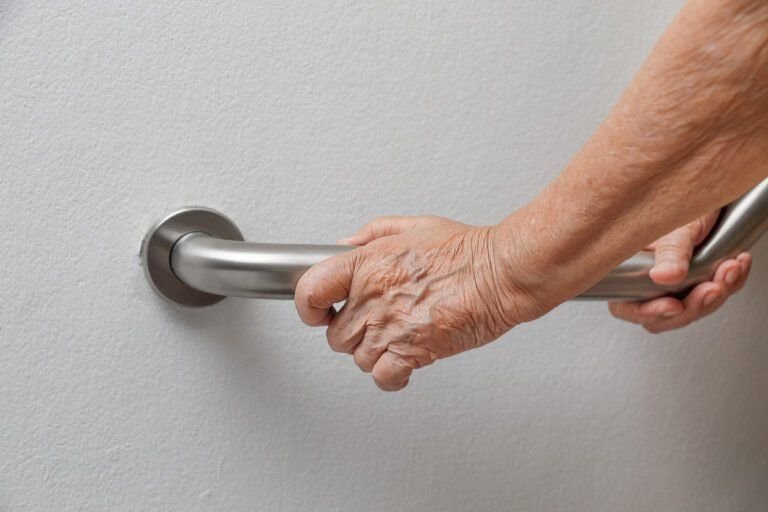
Creating a safe, comfortable, and accessible bathroom is essential for older adults who wish to remain independent at home. As mobility and balance can change with age, thoughtful updates to the bathroom can reduce the risk of falls and make daily routines easier. This article shares practical senior bathroom remodeling tips to help you design a space that supports aging in place, focusing on safety, accessibility, and ease of use.
If you’re looking for a broader approach to home safety, the aging in place home improvement checklist offers a comprehensive guide to making every room safer and more accessible for seniors.
Why Bathroom Safety Matters for Seniors
The bathroom is one of the most common places for slips and falls, especially for older adults. Wet floors, tight spaces, and hard surfaces increase the risk of injury. Remodeling with safety in mind can prevent accidents and support independent living. Simple changes—like installing grab bars or choosing non-slip flooring—can make a significant difference.
Essential Senior Bathroom Remodeling Tips for Safety
Prioritizing safety is the first step in any bathroom update for seniors. Here are some proven strategies to consider:
- Install Grab Bars: Securely mounted grab bars near the toilet, shower, and bathtub provide crucial support. Choose bars with a textured grip for extra security. For a detailed overview, see this guide to grab bars for elderly users.
- Non-Slip Flooring: Replace smooth tiles with slip-resistant flooring to reduce the chance of falls. Mats with rubber backing can also help, but ensure they do not create a tripping hazard.
- Walk-In Showers: Consider replacing traditional tubs with walk-in showers that have low or no thresholds. This makes entry and exit much easier for those with limited mobility.
- Handheld Showerheads: Adjustable, handheld showerheads allow users to bathe while sitting, reducing strain and risk.
- Raised Toilet Seats: Higher toilet seats or toilet safety rails make sitting and standing less difficult, supporting those with joint or balance issues.
Improving Accessibility and Comfort
Beyond safety, accessibility features can make the bathroom more comfortable and user-friendly for seniors. These upgrades allow for greater independence and dignity.
- Widen Doorways: If possible, widen bathroom doors to at least 32 inches to accommodate walkers or wheelchairs.
- Lever-Style Faucets: Replace twist knobs with lever handles, which are easier for arthritic hands to operate.
- Accessible Storage: Lower shelves and pull-out drawers keep toiletries within easy reach, reducing the need to bend or stretch.
- Good Lighting: Bright, glare-free lighting helps prevent missteps. Consider motion-activated night lights for nighttime visits.
Choosing the Right Grab Bars and Rails
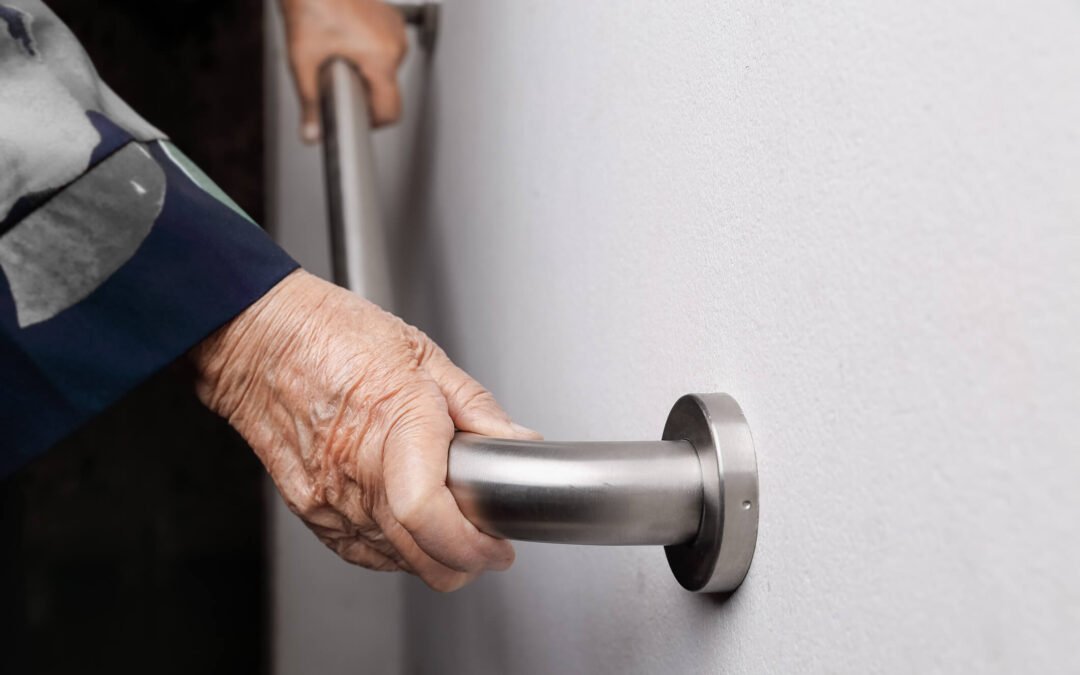
Grab bars and safety rails are among the most important additions for an accessible bathroom. When selecting these supports, consider:
- Placement: Install grab bars where they are most needed—beside the toilet, inside and outside the shower, and near the bathtub.
- Length and Diameter: Bars should be long enough to provide support along the entire movement path. A diameter of 1.25 to 1.5 inches is typically easiest to grip.
- Mounting: Always secure grab bars into wall studs, not just drywall, to ensure they can support weight.
- Finish: Choose finishes that are easy to clean and resist corrosion, such as stainless steel or powder-coated options.
For more inspiration on accessible layouts and product choices, explore accessible bathroom design inspiration for ideas that combine safety and style.
Additional Accessibility Upgrades for Seniors
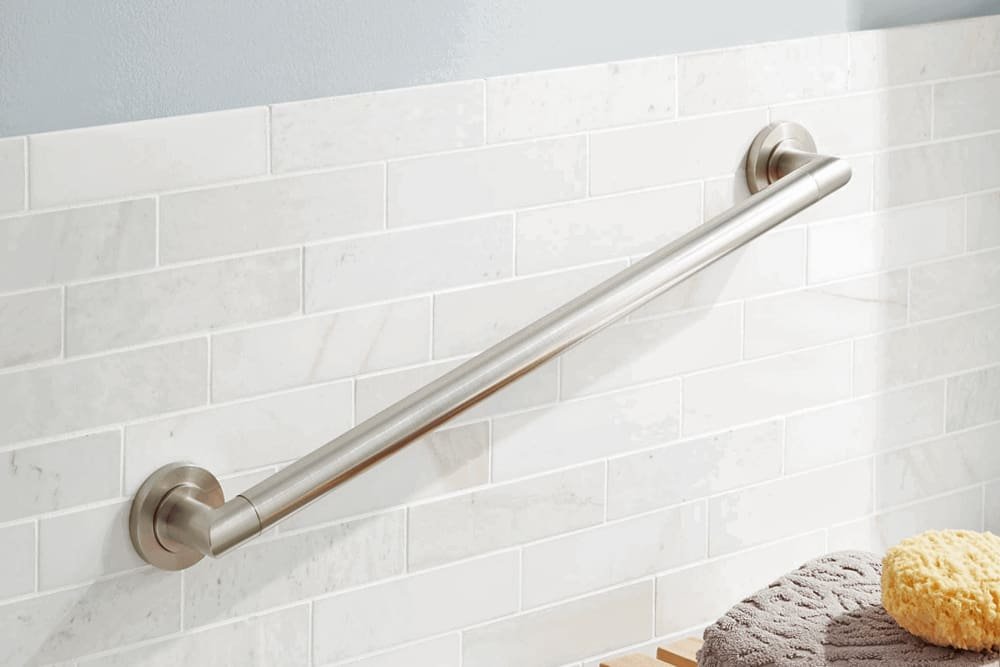
Beyond grab bars and non-slip surfaces, several other upgrades can make a bathroom more accommodating for older adults:
- Shower Seats: A sturdy, waterproof seat allows for safe, comfortable bathing.
- Anti-Scald Devices: Install thermostatic mixing valves or anti-scald devices to prevent burns from hot water.
- Easy-Access Controls: Large, clearly labeled controls for showers and sinks are easier to use for those with vision or dexterity challenges.
- Open Floor Space: Remove unnecessary cabinets or obstacles to allow for easier movement, especially for wheelchair users.
For more detailed solutions, the article on bathroom safety solutions for multigenerational homes covers options that benefit seniors and other family members alike.
Planning and Budgeting for a Senior-Friendly Bathroom
Remodeling for accessibility doesn’t always require a full renovation. Many upgrades, such as installing grab bars or changing faucets, are affordable and can be completed quickly. For larger projects, such as replacing a tub with a walk-in shower, consider working with a contractor experienced in accessible design.
When planning your project:
- Assess Needs: Consider the current and future mobility needs of the user.
- Set Priorities: Focus first on changes that will have the biggest impact on safety and independence.
- Research Funding: Some local agencies or nonprofits offer grants or low-interest loans for accessibility upgrades.
For a deeper dive into impactful changes, see bathroom accessibility upgrades that make a difference.
Maintaining Safety and Independence Over Time
Regularly review the bathroom setup as needs change. Reassess grab bar placement, check for wear on non-slip surfaces, and ensure lighting remains adequate. Encourage open communication with the senior using the space to identify new challenges early.
For more on essential safety features, the article on bathroom safety features every senior should consider highlights must-have upgrades for peace of mind.
FAQ: Common Questions About Senior Bathroom Remodeling
What are the most important safety features for a senior-friendly bathroom?
Key features include securely installed grab bars, non-slip flooring, walk-in showers, raised toilet seats, and bright, glare-free lighting. These upgrades help prevent falls and support independent living.
How do I choose the best grab bars for my bathroom?
Select grab bars that are long enough to provide support where needed, have a non-slip grip, and are made from durable, corrosion-resistant materials. Always mount them into wall studs for maximum strength.
Can I make my bathroom safer without a full remodel?
Yes. Simple changes like adding grab bars, using non-slip mats, installing a handheld showerhead, and improving lighting can greatly enhance safety without major renovations.