
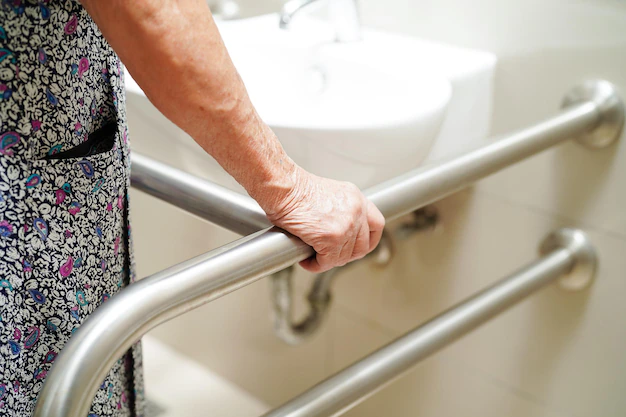
Bathrooms are one of the most common places for slips and falls, especially for older adults. As we age, balance, strength, and mobility can decline, making everyday activities like bathing or using the toilet riskier. Installing grab bars is a practical and effective way to reduce these hazards and help seniors maintain their independence at home. In this article, we’ll explore the many ways that these simple devices can make bathrooms safer for older adults, and why they are a key part of any senior-friendly home.
For those planning to update their homes for aging in place, it’s important to consider a range of safety upgrades. You can find a comprehensive aging in place home improvement checklist to guide your efforts and ensure every area, including the bathroom, is addressed.
Understanding the Importance of Grab Bars for Older Adults
Falls are a leading cause of injury among seniors, and the bathroom is a high-risk area due to wet, slippery surfaces and the need to move between sitting and standing. Grab bars provide sturdy handholds that help prevent falls and support safe movement. They are especially helpful for:
- Getting in and out of the bathtub or shower
- Standing up from or sitting down on the toilet
- Maintaining balance while washing or drying
- Providing support when reaching for items or turning around
By offering a reliable grip, these devices empower seniors to perform daily routines with greater confidence and less risk.
How Grab Bars Enhance Bathroom Safety for Seniors
Let’s look at specific ways that grab bars improve senior safety in the bathroom:
- Preventing Slips and Falls: Wet floors and soapy surfaces increase the risk of losing balance. Grab bars give seniors something to hold onto, reducing the likelihood of accidents.
- Assisting with Transfers: Moving from a wheelchair to the toilet, or stepping into a tub, can be challenging. Properly placed bars provide leverage and stability during these transitions.
- Supporting Weakness or Limited Mobility: Age-related conditions like arthritis or muscle weakness can make standing or walking difficult. Grab bars offer extra support for those who need it most.
- Encouraging Independence: When seniors feel secure, they are more likely to manage personal hygiene tasks on their own, which supports dignity and autonomy.
For families with multiple generations under one roof, adding grab bars is a smart part of bathroom safety solutions for multigenerational homes.
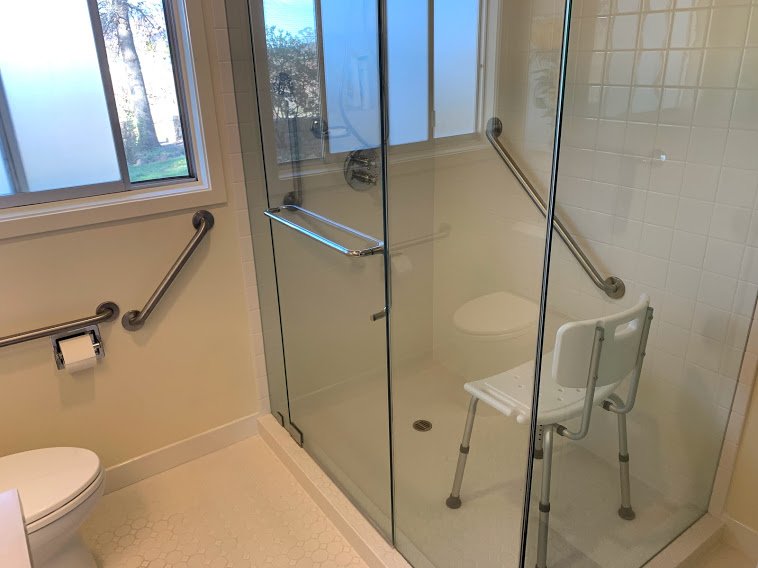
Types of Grab Bars and Where to Install Them
Not all grab bars are the same, and choosing the right type and location is essential for maximum benefit. Here are the most common options:
- Wall-Mounted Bars: These are permanently attached to the wall and offer the most stability. They are ideal for showers, bathtubs, and beside toilets.
- Clamp-On or Suction Bars: These are temporary solutions that attach to smooth surfaces. While convenient, they may not support as much weight as wall-mounted versions and should be used with caution.
- Floor-to-Ceiling Poles: These vertical bars can be installed anywhere in the bathroom to provide support for standing or transferring.
Key locations for installation include:
- Inside and outside the shower or tub
- Next to the toilet
- Alongside the bathroom wall for general support
For more ideas on making bathrooms accessible, see these bathroom accessibility upgrades that make a difference.
Choosing and Installing the Right Grab Bars
When selecting grab bars, consider the following factors:
- Material: Stainless steel and other rust-resistant materials are best for wet environments.
- Grip: Look for textured or non-slip surfaces to ensure a secure hold, even with wet hands.
- Length and Shape: Straight bars are common, but angled or L-shaped bars can offer additional support in certain spots.
- Weight Capacity: Make sure the bar can support at least 250 pounds, and that it is securely anchored to wall studs or with proper hardware.
Professional installation is recommended to ensure safety and reliability. However, some handy homeowners may be able to install them with the right tools and instructions. For a step-by-step approach to making homes safer and more comfortable, check out these easy home modifications for elderly safety.

Additional Bathroom Safety Tips for Seniors
While grab bars are a cornerstone of bathroom safety, other features can further reduce risks for older adults:
- Install non-slip mats in the tub and on the floor
- Use a raised toilet seat for easier transfers
- Ensure good lighting to prevent missteps
- Keep frequently used items within easy reach
- Remove loose rugs or clutter that could cause tripping
For a more detailed look at essential features, see bathroom safety features every senior should consider.
Expert Advice and Resources
Healthcare professionals, occupational therapists, and home modification experts all recommend grab bars as a proven way to reduce falls and injuries. For a deeper dive into the subject, you can read this comprehensive guide on the importance of bathroom grab bars for elderly safety.
Adding these supports is a small change that delivers significant peace of mind for seniors and their families. With the right planning and installation, bathrooms can become much safer and more accessible for everyone.
Frequently Asked Questions
Where should grab bars be installed in a senior’s bathroom?
Grab bars are most effective when placed near the toilet, inside and outside the shower or tub, and along walls where extra support may be needed. Placement should be based on the senior’s specific needs and bathroom layout.
Can grab bars be installed on tile walls?
Yes, grab bars can be securely installed on tile walls using appropriate anchors and tools. It’s important to ensure they are mounted into wall studs or with heavy-duty anchors for maximum safety.
Are suction cup grab bars safe for seniors?
Suction cup grab bars offer temporary support but are not as reliable as permanently mounted bars. They may lose suction over time or if the surface is not perfectly smooth. For seniors, wall-mounted grab bars are the safest option.