
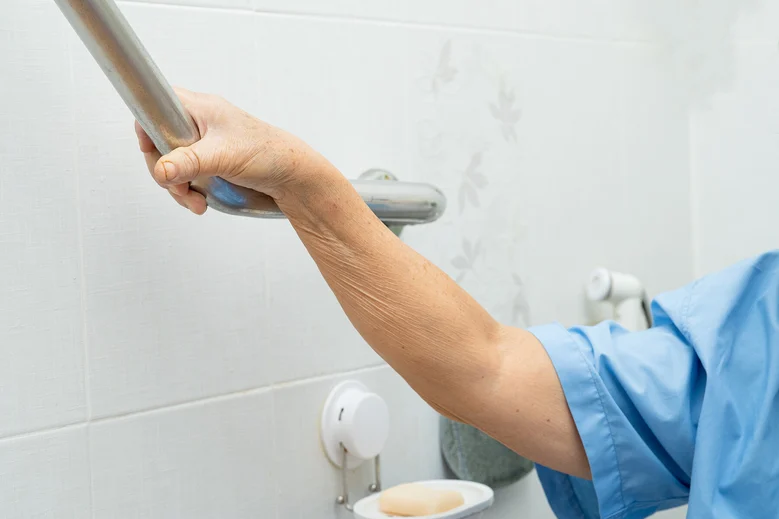
Creating a secure and comfortable living environment for seniors is more important than ever. As people age, their needs change, and homes that once felt safe may present new challenges. Safe home design for older adults focuses on minimizing risks, supporting independence, and ensuring that every space is both accessible and practical. Whether you’re planning for yourself or a loved one, understanding the essentials of senior-friendly home modifications is key to promoting long-term well-being and peace of mind.
Many older adults wish to remain in their own homes as they age. This desire, often called “aging in place,” requires thoughtful adjustments to reduce hazards and support daily activities. From the bathroom to the entryway, every area can benefit from targeted improvements. If you’re looking for a comprehensive checklist of upgrades, the aging in place home improvement checklist offers a helpful starting point for planning modifications that enhance safety and comfort.
Why Prioritize Senior-Friendly Home Modifications?
Falls and injuries are among the most common risks for seniors at home. According to the CDC, one in four Americans aged 65+ falls each year, often leading to serious injuries. By implementing safe home design for older adults, families can significantly reduce these risks. Key benefits include:
- Enhanced independence: Thoughtful design allows seniors to perform daily tasks with less assistance.
- Reduced risk of accidents: Simple changes, like improved lighting and non-slip surfaces, can prevent falls.
- Peace of mind for families: Knowing that a loved one’s environment is secure brings reassurance to everyone involved.
- Improved quality of life: Accessibility upgrades support mobility and confidence at home.
For a deeper understanding of the risks and how to address them, the article on understanding fall risks in older adults provides valuable insights and prevention strategies.
Key Principles of Safe Home Design for Older Adults
Effective home design for seniors is built on several core principles. These include accessibility, safety, comfort, and adaptability. Let’s explore how these ideas translate into practical improvements throughout the home.
Accessible Entryways and Hallways
Getting in and out of the house should be easy and hazard-free. Consider these upgrades:
- Ramps or zero-step entries: Eliminate stairs at entrances to accommodate wheelchairs, walkers, or limited mobility.
- Widened doorways: Ensure doorways are at least 32 inches wide for easy passage.
- Lever-style handles: Replace round knobs with levers for easier gripping.
- Clear, well-lit paths: Install bright lighting and remove clutter from hallways and entryways.
Bathroom Safety and Accessibility
The bathroom is a high-risk area for slips and falls. Making targeted upgrades can greatly improve safety and usability.
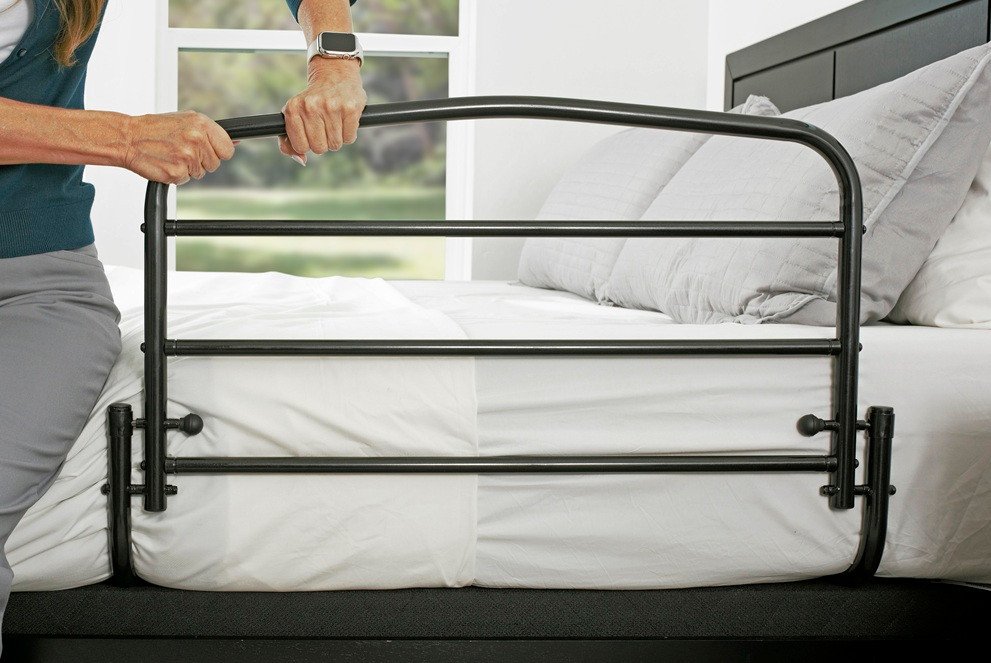
- Grab bars: Install sturdy bars near the toilet and inside the shower or tub. For step-by-step instructions, see this grab bar installation guide.
- Non-slip mats: Place mats both inside and outside the tub or shower.
- Raised toilet seats: Make sitting and standing easier with an elevated seat.
- Walk-in showers: Replace tubs with curbless showers for safer access.
- Handheld showerheads: Flexible showerheads are easier to use while seated.
For more ideas on making bathrooms safer and more accessible, check out bathroom accessibility upgrades that make a difference.
Supportive Features for Bedrooms and Living Spaces
Comfort and security in bedrooms and living rooms are essential. Consider these suggestions:
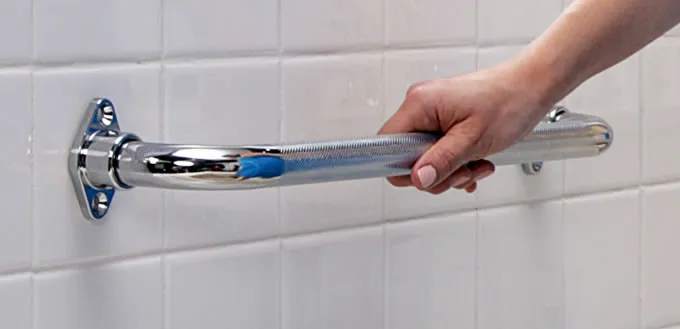
- Bed rails: Provide support for getting in and out of bed.
- Nightlights: Illuminate pathways to the bathroom or hallway at night.
- Stable furniture: Choose chairs and sofas with firm cushions and armrests for easier transfers.
- Clear walkways: Remove loose rugs, cords, and clutter to prevent tripping.
- Accessible storage: Place frequently used items within easy reach to avoid bending or stretching.
Kitchen Adaptations for Safety and Independence
The kitchen can be a challenging space for seniors, but small changes make a big difference:
- Pull-out shelves: Make cabinets easier to access.
- Lever-style faucets: Easier to operate than traditional knobs.
- Contrasting colors: Use color contrast for countertops and appliances to aid those with vision changes.
- Anti-scald devices: Prevent burns at the sink or stove.
- Accessible appliances: Choose models with front controls and easy-to-read displays.
Essential Equipment for a Safer Home
Specialized equipment can further enhance safety and comfort for seniors. Some popular options include:
- Toilet safety rails: Provide extra support in the bathroom.
- Shower chairs and benches: Allow safe, comfortable bathing.
- Reachers and grabbers: Help retrieve items without bending or stretching.
- Mobility aids: Walkers, canes, and wheelchairs support movement throughout the home.
For a complete overview of how these upgrades can boost senior mobility and confidence at home, explore our in-depth guide.
Adapting Home Design for Changing Needs
As needs evolve, so should the home environment. Regularly assess the living space and make adjustments as necessary. Involve the senior in decision-making to ensure solutions are practical and comfortable. Consulting with occupational therapists or home modification specialists can provide personalized recommendations tailored to individual needs.
For more on how accessibility upgrades can improve daily life, see our article on improving quality of life through accessibility.
Frequently Asked Questions
What are the most important safety features to add for seniors living at home?
Some of the most impactful features include grab bars in bathrooms, non-slip flooring, improved lighting, lever-style door handles, and clear, clutter-free walkways. These changes reduce fall risks and support independence.
How can I make a bathroom safer for an older adult?
Install grab bars near the toilet and inside the shower, use non-slip mats, consider a raised toilet seat, and opt for a walk-in shower if possible. Adding a shower chair and handheld showerhead also increases safety and comfort.
Are there affordable ways to improve home safety for seniors?
Yes, many effective upgrades are budget-friendly. Simple changes like adding nightlights, removing loose rugs, installing lever handles, and using non-slip mats can make a significant difference without major renovations.
Conclusion
Designing a secure and accessible home for seniors is a proactive step toward maintaining independence and well-being. By focusing on practical modifications and regularly reassessing needs, families can create a living space that supports aging in place with confidence. Whether you’re starting with small adjustments or planning a full renovation, prioritizing safe home design for older adults ensures a safer, more comfortable future for everyone involved.