
As more people choose to remain in their own homes as they age, the demand for accessible living solutions for retirees continues to grow. Making a home safer and more comfortable is not just about convenience—it’s about preserving independence, dignity, and quality of life. This article explores practical upgrades, essential products, and expert tips to help older adults thrive in their familiar surroundings.
Whether you’re planning ahead or responding to changing needs, understanding which modifications make the biggest impact is key. From simple adjustments like installing grab bars to more comprehensive renovations, there are options for every budget and home layout. For a comprehensive approach, consider reviewing this aging in place home improvement checklist to ensure all areas of the home are addressed.

Why Home Accessibility Matters for Older Adults
Adapting a home for aging is about more than just physical safety. It’s about creating an environment where retirees can move confidently, maintain routines, and stay connected to their community. Falls are a leading cause of injury among seniors, but many accidents can be prevented with thoughtful home modifications and the right equipment.
Accessible living solutions for retirees can include everything from non-slip flooring and improved lighting to wider doorways and lever-style handles. The goal is to remove barriers and support independent living for as long as possible.
Key Areas to Upgrade for Safe and Comfortable Living
Some rooms and features require special attention when planning for accessibility. Here are the most important areas to consider:
- Bathrooms: Slippery surfaces and tight spaces make bathrooms a top priority. Grab bars, raised toilet seats, and walk-in showers can greatly reduce fall risks.
- Kitchens: Lowered countertops, pull-out shelves, and easy-to-reach appliances help maintain independence in meal preparation.
- Entrances and Hallways: Ramps, handrails, and removing thresholds make it easier to move throughout the home, especially for those using mobility aids.
- Lighting: Bright, glare-free lighting in hallways, stairs, and entryways improves visibility and safety.
For more ideas on making bathrooms safer, see these bathroom accessibility upgrades that make a difference.
Essential Products for Accessible Living
There are many products designed to support safe and accessible living for seniors. Some of the most effective and affordable options include:
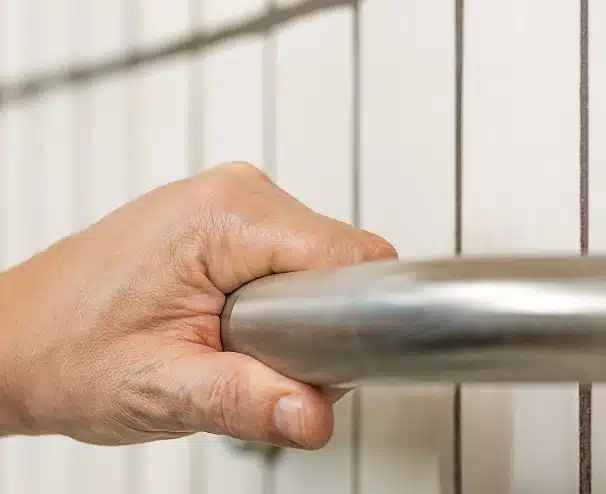
- Grab Bars: These provide support in bathrooms, hallways, and near stairs. Placement is crucial—learn more about where to install grab bars in the bathroom for maximum safety.
- Toilet Safety Rails: These make it easier to sit and stand, reducing strain and the risk of falls.
- Shower Chairs and Benches: Provide stability and comfort during bathing.
- Non-Slip Mats: Place these in showers, tubs, and entryways to prevent slips.
- Adjustable Beds: Help with getting in and out of bed and finding a comfortable sleeping position.
For a deeper understanding of how mobility upgrades can boost confidence, see our article on senior mobility and confidence at home.
Preventing Falls and Enhancing Mobility
Falls are a significant concern for older adults, but many incidents can be avoided with the right accessible living solutions for retirees. Some practical steps include:
- Removing loose rugs and clutter from walkways
- Installing handrails on both sides of stairways
- Using contrasting colors for steps and thresholds to improve depth perception
- Ensuring all rooms are well-lit, especially at night
- Wearing supportive, non-slip footwear indoors
To learn about the causes and prevention of falls, visit our guide on understanding fall risks in older adults.
Planning for Accessibility: Steps to Get Started
Every home and individual is unique, so it’s important to tailor modifications to specific needs. Here’s how to begin:
- Assess the Home: Walk through each room and identify potential hazards or barriers. Involve the retiree in the process to understand their daily routines and challenges.
- Prioritize Improvements: Focus first on areas with the highest risk, such as bathrooms and entryways.
- Consult Professionals: Occupational therapists, contractors with experience in accessibility, and home modification specialists can provide valuable guidance.
- Budget for Upgrades: Some changes are inexpensive, while others may require more investment. Look into grants, insurance, or local programs that support aging in place.
For more on how accessibility impacts well-being, see our article on improving quality of life through accessibility.
Maintaining Independence and Quality of Life
Accessible living is about more than safety—it’s about empowering retirees to live life on their own terms. With the right accessible living solutions for retirees, older adults can continue to enjoy their favorite activities, host family and friends, and remain engaged in their communities.
Regularly reviewing and updating home modifications ensures that the environment continues to meet changing needs. Encourage open conversations about comfort, mobility, and any new challenges that arise.
Frequently Asked Questions
What are the most important home modifications for retirees?
The most impactful changes include installing grab bars in bathrooms, adding non-slip flooring, improving lighting, and ensuring that entrances are accessible. These modifications address the highest risk areas and support daily independence.
How can I make a bathroom safer for an older adult?
Key upgrades include adding grab bars near the toilet and shower, using a shower chair or bench, installing non-slip mats, and considering a walk-in tub or shower. For more details, see our guide on bathroom accessibility upgrades that make a difference.
Are there affordable ways to improve accessibility at home?
Yes, many effective solutions are budget-friendly. Installing grab bars, using non-slip mats, and improving lighting are all low-cost options that can significantly enhance safety and comfort.