
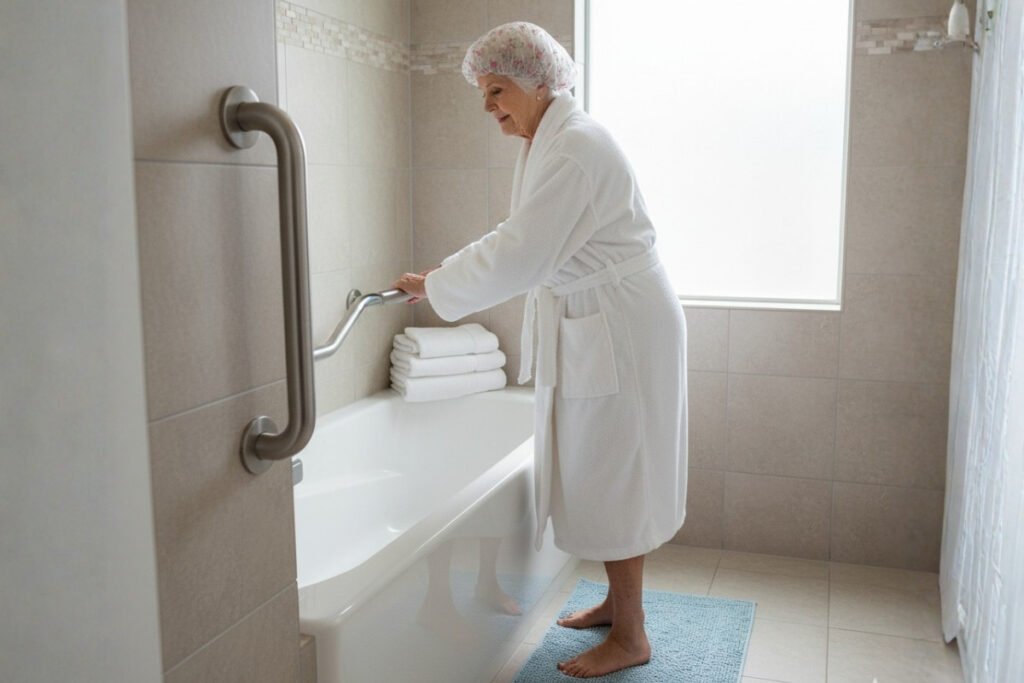
For many households, especially those with older adults or young children, reducing slips and falls at home is a top priority. Falls are one of the leading causes of injury in the home, but with the right safety upgrades, you can significantly lower the risk. This guide explores practical improvements that make living spaces safer, more accessible, and more comfortable for everyone.
Whether you’re planning for aging in place, supporting a loved one, or simply want to make your home safer, there are proven strategies and products that can help. From bathroom modifications to better lighting, small changes can make a big difference. For a comprehensive overview of home modifications for seniors, the aging in place home improvement checklist is a valuable resource to consult alongside the tips below.
Why Home Safety Upgrades Matter for Preventing Falls
Falls can happen to anyone, but certain groups—such as seniors or those with mobility challenges—face a higher risk. Injuries from falls can lead to hospitalizations, loss of independence, and long-term health complications. Proactively addressing hazards is an essential step in reducing slips and falls at home and maintaining quality of life.
Common risk factors include slippery floors, poor lighting, cluttered walkways, and lack of support in key areas like bathrooms and stairways. By identifying these hazards and making targeted improvements, you can create a safer environment for all residents and visitors.
Essential Bathroom Modifications for Fall Prevention
The bathroom is one of the most common places for falls due to wet surfaces and limited space. Upgrading this area with safety features is one of the most effective ways to minimize accidents.
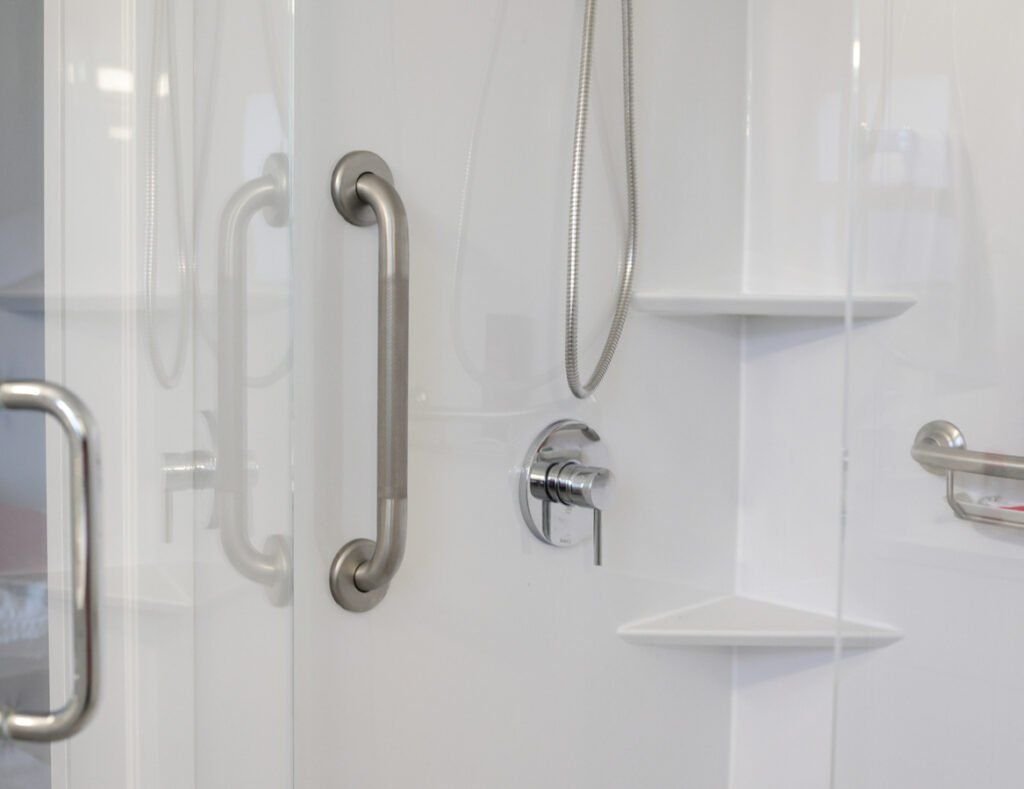
- Install grab bars: Securely mounted grab bars in showers, tubs, and near toilets provide essential support for standing, sitting, and moving safely. For guidance on placement, see these useful tips on where to install grab bars in your home.
- Use non-slip mats: Place non-slip mats or adhesive strips in bathtubs, showers, and on tile floors to reduce slipping hazards.
- Upgrade to a walk-in shower: Removing barriers like high tub walls makes it easier and safer to enter and exit the shower.
- Improve lighting: Install bright, glare-free lights to ensure all areas are well-lit, especially at night.
- Consider raised toilet seats and safety rails: These additions make sitting and standing easier, reducing the risk of falls.
For more detailed advice on making bathrooms safer and more accessible, the article on bathroom accessibility upgrades that make a difference offers additional insights.
Enhancing Safety in Living Areas and Bedrooms
While bathrooms are a high-risk zone, living rooms, bedrooms, and hallways also present fall hazards. Taking a proactive approach to these spaces is key for reducing slips and falls at home.
- Remove tripping hazards: Keep floors clear of clutter, cords, and loose rugs. Secure carpets with non-slip backing or double-sided tape.
- Arrange furniture for clear pathways: Ensure there is enough space to move around without obstacles, especially in high-traffic areas.
- Install handrails: Adding sturdy handrails along hallways and staircases provides extra support for those with balance issues.
- Use nightlights: Place nightlights in bedrooms, hallways, and bathrooms to improve visibility during nighttime trips.
- Adjust bed height: Beds that are too high or too low can make getting in and out difficult. Adjust to a comfortable height to reduce risk.
For those interested in a broader approach to home safety, the senior mobility and confidence at home guide covers additional upgrades that support safe movement throughout the house.
Kitchen and Entryway Improvements for Safer Living
Kitchens and entryways are often overlooked when it comes to fall prevention, but they are frequent sites of accidents. Simple upgrades can make these areas much safer.
- Keep floors dry: Wipe up spills immediately and use absorbent mats near sinks and entry doors.
- Organize storage: Store frequently used items within easy reach to avoid the need for step stools or awkward stretching.
- Install lever-style handles: Lever handles are easier to operate than knobs, especially for those with limited hand strength.
- Improve entryway lighting: Ensure entrances and exits are well-lit and free of obstacles.
- Use non-slip mats: Place mats with rubber backing at doorways to prevent slipping on wet shoes.
Toilet Safety Upgrades for Fall Reduction
The area around the toilet is another common site for falls, particularly for those with balance or mobility challenges. Making targeted upgrades here can greatly enhance safety and independence.

- Install toilet safety rails: These provide stable support for sitting and standing, reducing the risk of losing balance.
- Use raised toilet seats: Raising the seat height makes transfers easier and less strenuous on joints.
- Ensure adequate space: Make sure there is enough room around the toilet for easy movement and to accommodate mobility aids if needed.
For a deeper understanding of risks and solutions, the article on understanding fall risks in older adults provides helpful background and prevention strategies.
Lighting and Flooring: Key Factors in Home Safety
Proper lighting and slip-resistant flooring are foundational for reducing slips and falls at home. Addressing these elements can have a significant impact on overall safety.
- Upgrade to LED lighting: Bright, energy-efficient LEDs improve visibility in all areas of the home.
- Install motion-activated lights: These are especially useful in hallways, staircases, and entryways.
- Choose slip-resistant flooring: Opt for textured tiles, low-pile carpets, or vinyl with non-slip surfaces in high-risk areas.
- Repair uneven surfaces: Fix loose tiles, warped floorboards, or uneven thresholds to prevent tripping.
For more on how accessibility upgrades can improve daily life, see the article on improving quality of life through accessibility.
Regular Maintenance and Ongoing Assessment
Safety upgrades are most effective when combined with regular maintenance and periodic reassessment. Check for new hazards as needs change or as residents age. Replace worn-out mats, tighten loose handrails, and ensure all safety devices remain in good condition.
Encourage open communication among household members about safety concerns. If someone experiences a near-miss or fall, review what happened and make adjustments as needed. Staying proactive is the best way to keep your home safe and comfortable for everyone.
Frequently Asked Questions
What are the most important areas to focus on for fall prevention at home?
Bathrooms, stairways, and entryways are the highest risk zones. Start by installing grab bars, non-slip mats, and improving lighting in these areas. Removing clutter and securing loose rugs in living spaces also makes a big difference.
How often should I review my home for new fall hazards?
It’s a good idea to do a thorough safety check every six months, or whenever there are changes in mobility or health status among residents. Regularly inspect safety equipment and address any new risks promptly.
Are grab bars difficult to install, and where should they be placed?
Many grab bars are designed for easy installation, but secure mounting is essential for safety. They should be placed in showers, near toilets, and anywhere extra support is needed. For more detailed guidance, refer to these tips on grab bar placement.
Conclusion
Taking steps to improve home safety is one of the most effective ways to prevent injuries and support independence for all ages. By addressing high-risk areas, installing the right equipment, and maintaining a proactive approach, you can make your living space safer and more comfortable. For a comprehensive plan, consult resources like the aging in place home improvement checklist and consider which upgrades will have the greatest impact for your household.