
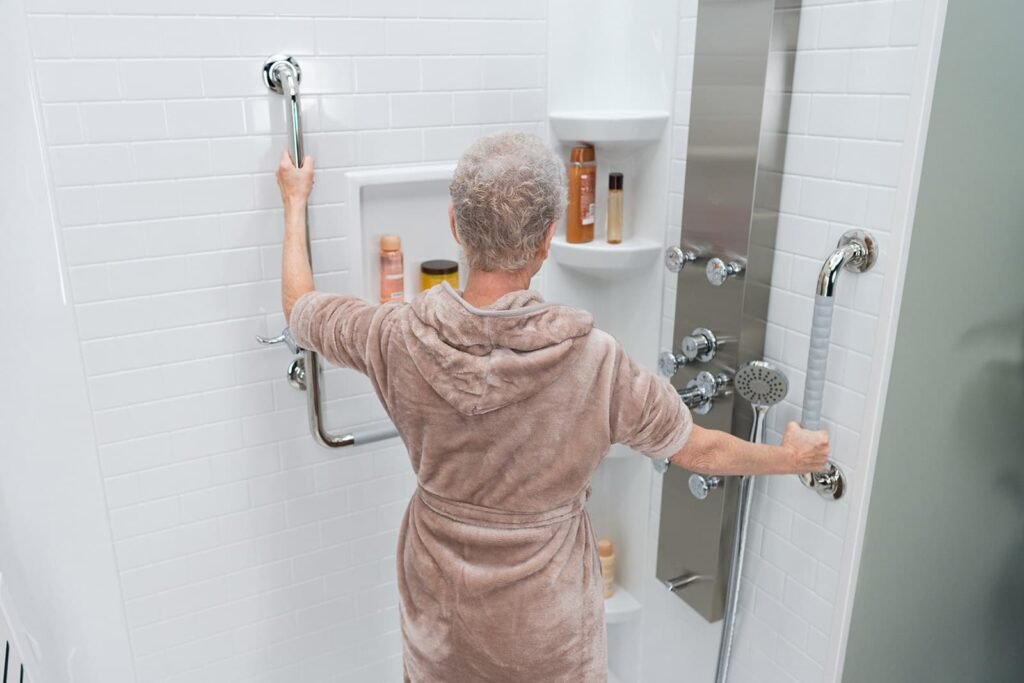
As more adults choose to remain in their own homes as they age, the demand for aging in place home modifications continues to grow. These changes are not just about convenience—they are essential for safety, independence, and quality of life. Modern solutions go beyond simple fixes, offering thoughtful upgrades that help seniors live comfortably and confidently in familiar surroundings.
Whether you’re planning for yourself or supporting a loved one, understanding which improvements make the most impact is key. From bathroom upgrades to whole-home adjustments, this guide covers practical strategies and expert recommendations to help you create a safer, more accessible living environment.
For a comprehensive approach, consider referencing the aging in place home improvement checklist to ensure every area of the home is addressed.
Why Home Modifications Matter for Aging Adults
Staying at home as we age is often preferred, but it comes with unique challenges. Falls, limited mobility, and accessibility issues can threaten independence. According to the CDC, falls are a leading cause of injury among older adults. Proactive aging in place home modifications can significantly reduce these risks and support daily living activities.
Key benefits include:
- Enhanced safety—reducing trip hazards and improving navigation
- Greater independence—enabling seniors to perform tasks without assistance
- Improved confidence—creating an environment that supports mobility and comfort
- Cost savings—potentially delaying or avoiding the need for assisted living facilities
Essential Bathroom Upgrades for Safer Living
The bathroom poses some of the greatest risks for slips and falls. Simple, effective modifications can make a dramatic difference. Installing grab bars, non-slip surfaces, and accessible fixtures are among the most impactful changes.
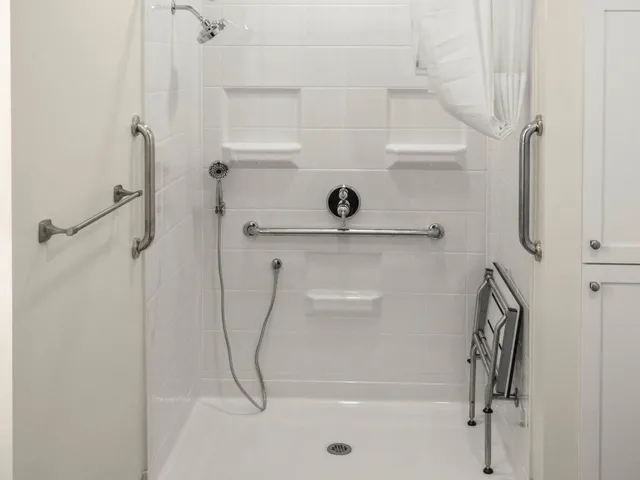
Some of the most effective bathroom modifications include:
- Grab bars near showers, tubs, and toilets for stability
- Walk-in showers or tubs with low thresholds
- Non-slip mats and flooring
- Handheld showerheads for easier bathing
- Raised toilet seats and sturdy toilet safety rails
For more ideas, see these bathroom accessibility upgrades that make a difference to further enhance safety and comfort.
Improving Mobility and Access Throughout the Home
Beyond the bathroom, the rest of the home should also support safe movement and accessibility. Aging in place home modifications for living rooms, bedrooms, and entryways can help prevent accidents and encourage independence.
- Widening doorways to accommodate walkers or wheelchairs
- Lever-style door handles instead of knobs
- Ramps at entrances for step-free access
- Stair lifts or sturdy handrails on all stairs
- Decluttering walkways and securing loose rugs
Lighting is another critical factor. Ensure all hallways, staircases, and entry points are well-lit with easy-to-reach switches. Motion-activated lights can be especially helpful for nighttime navigation.
For those interested in a more comprehensive approach, the senior mobility and confidence at home resource offers additional strategies for enhancing movement and safety.
Technology and Smart Solutions for Aging in Place
Modern technology provides new opportunities for seniors to remain independent. Smart home devices, such as voice-activated assistants, automated lighting, and remote monitoring systems, can make daily life easier and safer.
- Medical alert systems for emergency assistance
- Smart thermostats for easy temperature control
- Video doorbells and security cameras for peace of mind
- Medication reminders and pill dispensers
These solutions can be tailored to individual needs and are often easy to install, making them an excellent addition to traditional aging in place home modifications.
Reducing Fall Risks and Promoting Confidence
Falls are a major concern for older adults, but many are preventable with the right changes. Regularly assessing the home environment and making targeted improvements can help reduce hazards and support safe movement.
Key steps include:
- Removing clutter and obstacles from walkways
- Securing electrical cords and loose rugs
- Adding handrails and grab bars in high-risk areas
- Ensuring proper lighting throughout the home
For a deeper understanding of risk factors and prevention strategies, explore understanding fall risks in older adults.

Funding and Resources for Home Modifications
Many seniors and families wonder how to pay for these important upgrades. While some modifications can be done affordably, others may require a larger investment. Fortunately, there are resources available to help offset costs.
- Local and state programs for home accessibility improvements
- Nonprofit organizations offering grants or volunteer labor
- Medicare and Medicaid—while coverage is limited, some durable medical equipment may be eligible
- Veterans’ benefits for qualifying individuals
For a detailed look at what’s covered, consult guides on grab bar funding options for seniors and related home safety products.
Creating a Personalized Plan for Independence
No two homes or individuals are exactly alike. The best approach is to assess needs, prioritize changes, and create a plan that fits your lifestyle and budget. Involving occupational therapists or certified aging-in-place specialists can provide valuable insights and ensure modifications are both effective and future-proof.
Regularly reviewing your home environment and updating modifications as needs change will help maintain safety and comfort for years to come. For more on holistic accessibility, see improving quality of life through accessibility.
Frequently Asked Questions
What are the most important home modifications for seniors who want to age in place?
Some of the most impactful changes include installing grab bars in bathrooms, improving lighting throughout the home, removing tripping hazards, and adding ramps or stair lifts where needed. These upgrades address the most common risks and support independent living.
How can I make a bathroom safer for an older adult?
Key improvements include adding non-slip mats, installing grab bars near the toilet and shower, using a raised toilet seat, and ensuring the shower or tub is easy to enter and exit. Walk-in showers and handheld showerheads can also make bathing safer and more comfortable.
Are there financial resources to help pay for home modifications?
Yes, several programs may help cover costs, including local government grants, nonprofit organizations, and certain veterans’ benefits. While Medicare coverage is limited, some durable medical equipment may be eligible. It’s important to research options in your area and consult with professionals for guidance.