
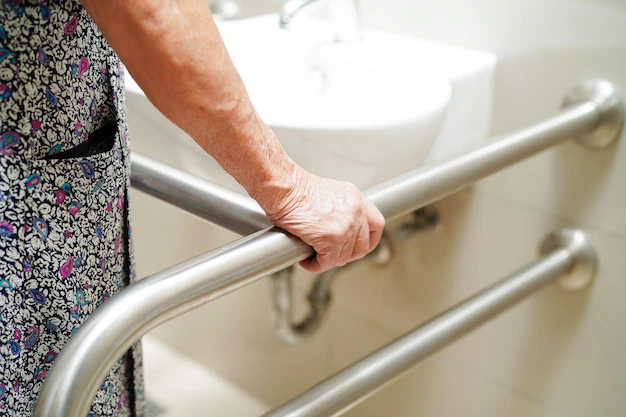
Maintaining independence and safety in the bathroom is a top priority for many older adults and their families. As people age, the risk of slips, trips, and falls increases, especially in wet and slippery environments like bathrooms. Mobility support in the bathroom can make a significant difference in reducing hazards and helping seniors move confidently and comfortably. This guide explores the most effective ways to enhance bathroom safety, from grab bars to toilet rails, and offers practical advice for choosing and installing these essential aids.
For those planning a comprehensive approach to home safety, the aging in place home improvement checklist provides a broader look at modifications that support seniors throughout the house.
Why Bathroom Safety Matters for Older Adults
The bathroom is one of the most common places for falls among seniors. Wet floors, low toilet seats, and high bathtub edges can all contribute to accidents. According to the CDC, millions of older adults are treated for fall-related injuries each year, and many of these incidents happen in the bathroom. By prioritizing mobility support in the bathroom, families can help their loved ones maintain dignity and reduce the risk of injury.
Common challenges faced by seniors in the bathroom include:
- Difficulty standing up from the toilet or bathtub
- Limited balance and stability on wet surfaces
- Reduced strength for stepping over tub edges or reaching for towels
- Fear of falling, which can lead to less frequent bathing or toileting
Key Solutions for Mobility Support in Bathrooms
There are several proven products and modifications that can dramatically improve safety and accessibility. Here are some of the most effective options:
Grab Bars: The Foundation of Bathroom Support
Grab bars are among the simplest and most effective tools for enhancing stability. Installed near toilets, showers, and bathtubs, these sturdy rails provide a secure handhold for sitting, standing, and moving around. They come in a variety of lengths and finishes to match any décor.
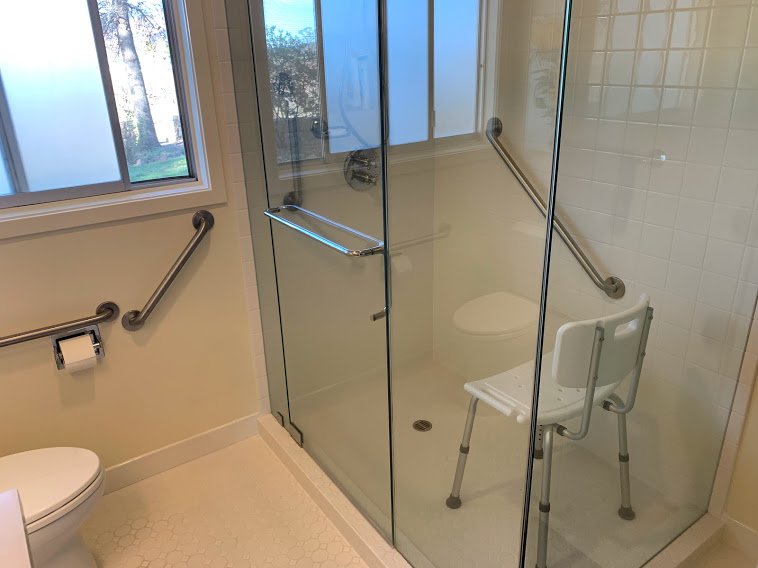
Proper placement is critical. Grab bars should be installed at a height and location that matches the user’s reach and movement patterns. For more guidance on installation and placement, see this comprehensive guide to bathroom grab bars for elderly safety.
Toilet Safety Rails and Raised Seats
Standing up from a low toilet can be challenging for those with reduced leg strength or balance issues. Toilet safety rails offer sturdy support on both sides, making it easier to sit and rise without straining. Raised toilet seats can also reduce the distance seniors need to bend, further minimizing the risk of falls.
When choosing these products, look for models that are easy to install and adjust. Some rails clamp directly onto the toilet, while others are freestanding and can be moved as needed. Raised seats are available in various heights and with or without armrests.
Shower and Bathtub Accessibility Aids
Stepping into a bathtub or shower can be risky for anyone with limited mobility. Installing grab bars inside and outside the tub, as well as non-slip mats, can help. Shower chairs or benches provide a safe place to sit while bathing, and handheld showerheads make it easier to wash without standing for long periods.

For homes with multiple generations or unique needs, bathroom safety solutions for multigenerational homes can offer additional ideas for creating a universally accessible space.
Choosing and Installing Mobility Aids
When selecting products to enhance mobility support in the bathroom, consider the following factors:
- Weight capacity: Ensure all equipment can safely support the user’s weight.
- Ease of installation: Some aids require professional installation, while others can be set up with basic tools.
- Material and finish: Stainless steel and rust-resistant finishes are ideal for wet environments.
- Adjustability: Choose products that can be tailored to the user’s height and reach.
Professional installation is recommended for grab bars and other wall-mounted supports to ensure they are securely anchored. For those interested in broader home upgrades, easy home modifications for elderly safety covers additional ways to make living spaces safer and more comfortable.
Integrating Smart Features for Enhanced Safety
Technology can further improve bathroom safety for seniors. Motion-activated lights, smart water temperature controls, and emergency call buttons can provide peace of mind for both users and caregivers. For a deeper look at how technology can help, explore smart home features that support senior mobility.
Maintaining Dignity and Independence
Supporting mobility in the bathroom is about more than just preventing falls. It’s also about preserving dignity and allowing seniors to continue daily routines with confidence. By making thoughtful changes and choosing the right aids, families can help their loved ones stay independent for longer.
For those planning a bathroom renovation or new construction, consider consulting with occupational therapists or aging-in-place specialists. They can recommend custom solutions tailored to individual needs and ensure all modifications meet current safety standards. For more ideas, building a safer bathroom for aging adults offers practical advice on creating accessible spaces.
Frequently Asked Questions
What are the most important mobility aids for bathroom safety?
The most essential aids include grab bars near toilets and showers, toilet safety rails, raised toilet seats, non-slip mats, and shower chairs. These products address the most common challenges seniors face and help reduce the risk of falls.
How do I choose the right grab bars and where should they be installed?
Choose grab bars that are sturdy, rust-resistant, and rated for the user’s weight. Install them near the toilet, inside and outside the shower or tub, and at any location where extra support is needed. Placement should be based on the user’s height and typical movement patterns.
Can I install bathroom mobility aids myself, or should I hire a professional?
Some products, like freestanding toilet rails or suction-cup grab bars, can be installed without professional help. However, wall-mounted grab bars and other permanent fixtures should be installed by a professional to ensure they are securely anchored and safe to use.