
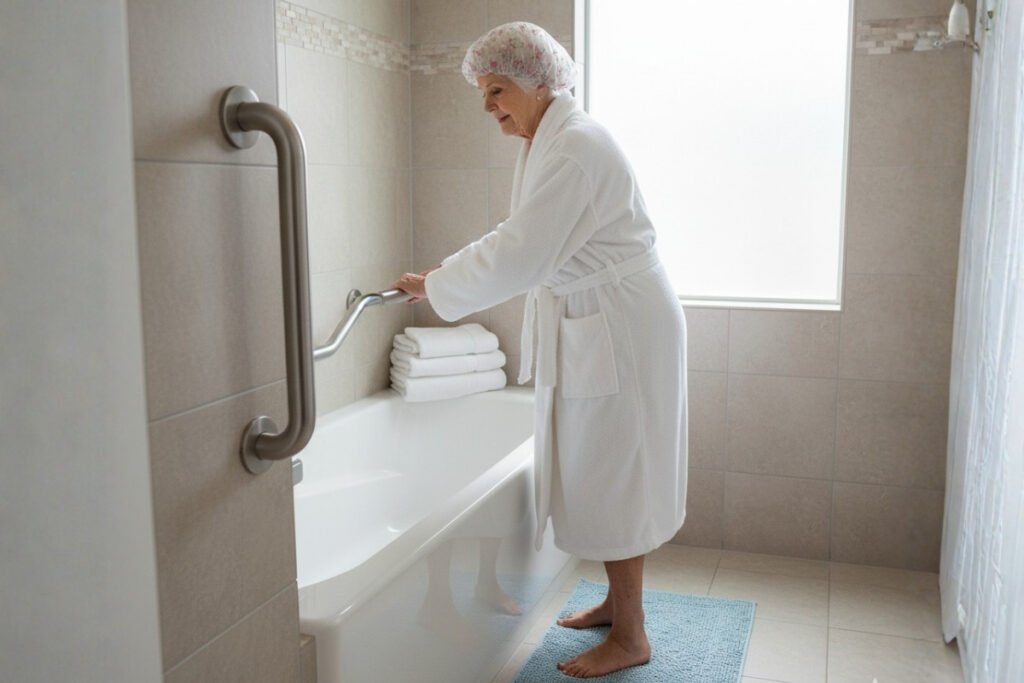
Creating a safer bathroom environment is essential for people of all ages, but it becomes especially important for older adults, individuals with mobility challenges, and families living in multigenerational homes. The right safety features can help prevent slips, falls, and injuries, making daily routines more comfortable and secure. If you’re wondering how to choose bathroom safety equipment that fits your needs, this guide will walk you through the most important considerations, product types, and installation tips.
Before diving into product options, it’s helpful to review your home’s current setup and identify areas where accidents are most likely to occur. For a comprehensive approach, you might want to consult resources like the aging in place home improvement checklist to ensure your entire home supports safety and independence.
Understanding the Importance of Bathroom Safety Features
The bathroom is one of the most hazardous areas in any home due to wet surfaces, hard floors, and limited space. According to safety experts, most falls among seniors happen in or near the bathroom. That’s why selecting the right bathroom safety solutions is a key step in preventing injuries and supporting independent living.
Common risks include:
- Slippery bathtubs and shower floors
- Unstable toilet seats or low toilet heights
- Lack of sturdy support when getting in and out of the tub or shower
- Poor lighting or cluttered pathways
By addressing these issues, you can create a safer and more accessible bathroom for everyone in your household.
Key Considerations When Selecting Safety Equipment
When exploring how to choose bathroom safety equipment for your home, keep these factors in mind:
- User Needs: Consider the mobility, strength, and balance of the person using the bathroom. Equipment should match their specific requirements.
- Space Constraints: Measure your bathroom to ensure products will fit without creating obstacles.
- Ease of Installation: Some products require professional installation, while others are designed for DIY setup.
- Durability and Maintenance: Choose equipment made from rust-resistant, easy-to-clean materials.
- Compliance: Look for products that meet ADA (Americans with Disabilities Act) guidelines for safety and accessibility.
Taking the time to assess these factors will help you select the most effective and reliable options for your space.
Essential Types of Bathroom Safety Products
There are several categories of safety equipment to consider. Each serves a specific purpose and can be combined for maximum protection.
Grab Bars and Rails: Where and How to Install
Grab bars are among the most effective tools for preventing falls. They provide sturdy support when entering or exiting the tub, standing from the toilet, or moving around the bathroom. When deciding how to choose bathroom safety equipment like grab bars, consider placement, length, and installation method.
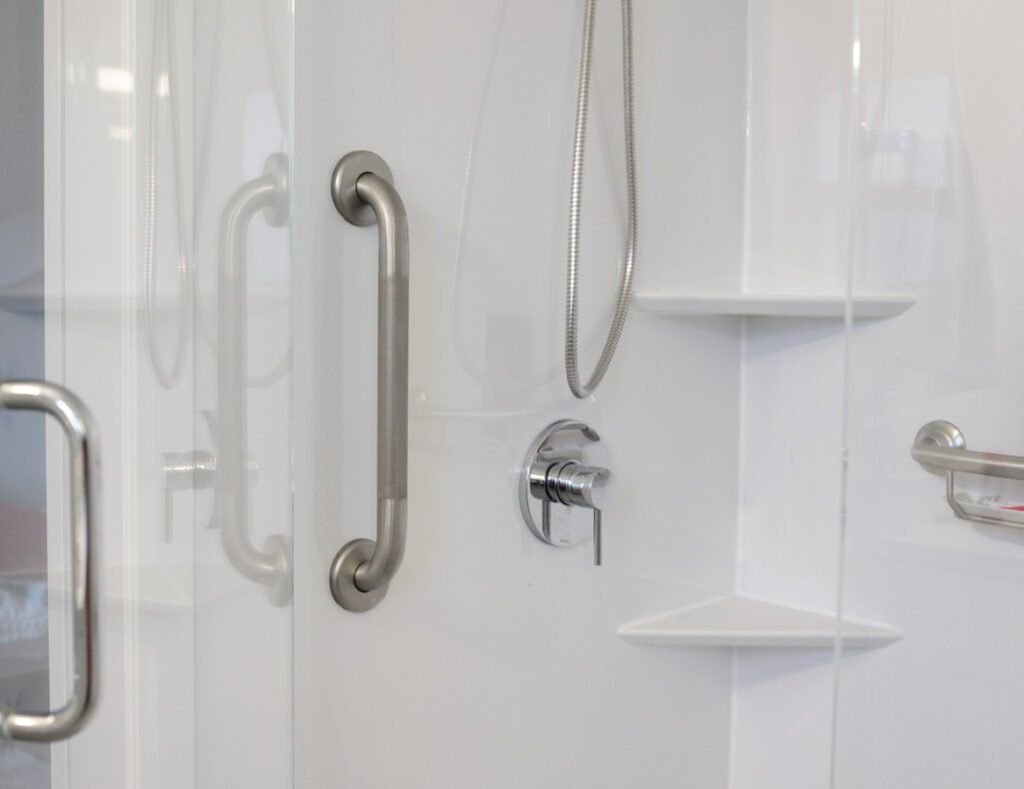
Key tips for grab bar selection and placement:
- Install bars near the shower entrance, inside the shower, and next to the toilet.
- Choose bars with a textured, non-slip surface for better grip.
- Secure bars into wall studs for maximum stability.
- For more detailed advice, see these useful tips on where to install grab bars in your home.
Toilet Safety Frames and Raised Seats
Getting on and off the toilet can be difficult for people with limited mobility. Toilet safety frames and raised seats provide extra height and support, reducing the risk of falls. When choosing these products, check that the frame fits securely around your toilet and that the seat height matches the user’s needs.

Some models offer padded armrests or adjustable widths for added comfort. Always verify the weight capacity and ensure the frame is stable before use.
Non-Slip Mats and Shower Chairs
Slippery surfaces are a leading cause of accidents in the bathroom. Non-slip mats for tubs, showers, and floors provide traction and help prevent falls. Look for mats with strong suction cups and quick-drying materials.
Shower chairs or benches are another valuable addition, especially for those who tire easily or have difficulty standing for long periods. Choose a chair with adjustable legs, a sturdy backrest, and non-slip feet. Some models are designed to fit inside bathtubs, while others are made for walk-in showers.
Additional Tips for a Safer Bathroom
Beyond installing equipment, consider these strategies to further reduce risks:
- Keep pathways clear of clutter and loose rugs.
- Improve lighting with bright, energy-efficient bulbs.
- Install lever-style faucet handles for easier operation.
- Use a hand-held showerhead for more control and flexibility.
- Regularly check all equipment for wear and tear, and replace as needed.
For more ideas on creating a secure environment, explore bathroom safety solutions for multigenerational homes and easy home modifications for elderly safety.
Integrating Smart Features and Home Modifications
Modern technology offers new ways to enhance bathroom safety. Smart lighting, voice-activated controls, and automatic faucets can make daily routines easier and more accessible. If you’re planning a larger renovation, consider features like walk-in tubs, curbless showers, or slip-resistant flooring. For inspiration, see smart home features that support senior mobility and building a safer bathroom for aging adults.
Frequently Asked Questions
What is the most important bathroom safety equipment for seniors?
The most critical items are grab bars near the toilet and shower, non-slip mats, and a sturdy shower chair. These products address the most common causes of falls and provide essential support for daily activities.
How do I know where to install grab bars?
Grab bars should be placed where extra support is needed—typically next to the toilet, at the entrance to the shower or tub, and along the shower wall. For detailed installation advice, refer to these expert tips on grab bar placement.
Can I install bathroom safety equipment myself?
Many products, such as non-slip mats and some toilet safety frames, are designed for easy DIY installation. However, grab bars and other equipment that must support body weight should be anchored into wall studs for safety. If you’re unsure, consider hiring a professional to ensure proper installation.
Conclusion
Choosing the right bathroom safety equipment can make a significant difference in preventing accidents and supporting independence. By assessing your needs, selecting high-quality products, and installing them correctly, you can create a safer, more comfortable environment for everyone in your home. Remember to review your setup regularly and update equipment as needs change. For a full checklist and more ideas, visit the aging in place home improvement checklist.