
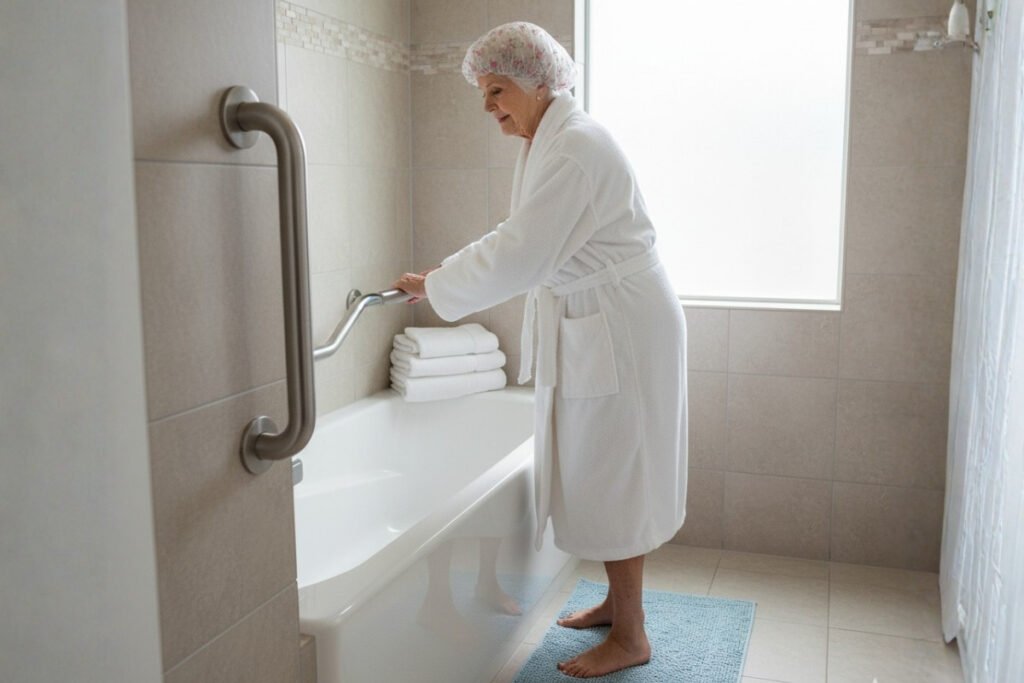
Preparing your living environment for changing mobility and health needs is a smart investment in comfort, safety, and independence. Home accessibility planning for future needs allows individuals and families to adapt their spaces proactively, reducing risks and supporting aging in place. Whether you’re considering modifications for yourself, a loved one, or a multigenerational household, understanding the essentials of accessible design can help you make informed, cost-effective decisions.
Many homeowners start with small upgrades but find that a comprehensive approach to accessibility delivers greater peace of mind. From bathroom safety to entryway adjustments, this guide covers practical steps and expert tips to help you create a home that’s ready for whatever the future brings. For a broader overview of essential improvements, the aging in place home improvement checklist is a valuable resource to consult early in your planning process.
Why Proactive Accessibility Planning Matters
Waiting until a health event or mobility challenge occurs can make home modifications more stressful and expensive. By addressing future accessibility needs in advance, you can:
- Reduce the risk of falls and injuries
- Maintain independence for longer
- Support caregivers and family members
- Increase your home’s value and appeal
- Spread out costs over time, avoiding urgent, high-priced renovations
Accessibility isn’t just about aging. It also benefits anyone recovering from surgery, living with a disability, or welcoming guests with different mobility requirements.
Key Areas to Address in Home Accessibility Planning
Effective home accessibility planning for future needs involves evaluating every part of your home. Start with these high-impact areas:
Entrances and Exits
- Step-free access: Install ramps or threshold transitions at primary entryways.
- Widen doorways: Ensure openings are at least 32 inches wide to accommodate walkers or wheelchairs.
- Lever handles: Replace round doorknobs with lever-style handles for easier use.
Bathroom Safety and Modifications
The bathroom is a common site for slips and falls. Simple updates can make a big difference:
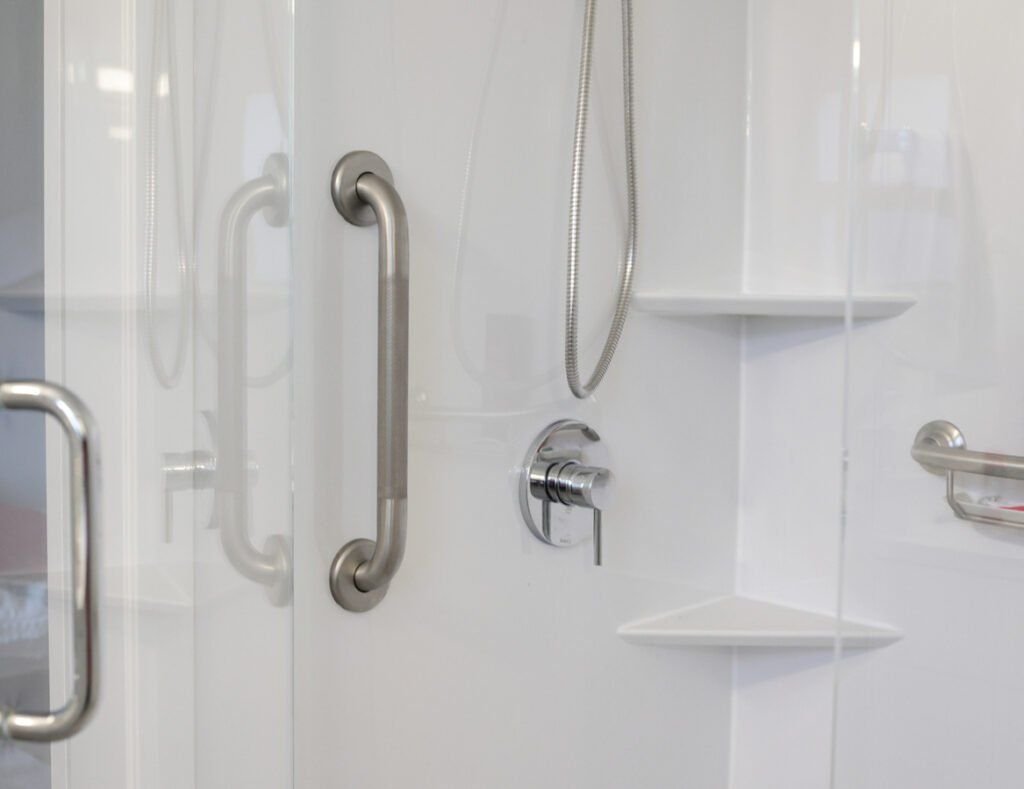
- Grab bars: Install sturdy bars near showers, tubs, and toilets. For guidance on placement, see these useful tips on where to install grab bars in your home.
- Non-slip flooring: Choose textured tiles or add non-slip mats.
- Walk-in showers: Consider replacing tubs with curbless showers for easier access.
- Raised toilet seats: Make transfers safer and more comfortable.
For more detailed solutions, check out bathroom safety solutions for multigenerational homes and building a safer bathroom for aging adults.
Bedroom and Living Spaces
- Clear pathways: Remove clutter and secure rugs to prevent tripping.
- Adjustable beds: Electric or adjustable beds can ease getting in and out.
- Lighting: Install bright, glare-free lighting and motion sensors for nighttime safety.
Kitchen Accessibility
- Lower countertops: Ensure workspaces are reachable from a seated position.
- Pull-out shelves: Make cabinets easier to access.
- Lever faucets: Easier to operate than traditional knobs.
Smart Home Features That Enhance Accessibility
Modern technology offers new ways to support future-proof home design. Smart devices can make daily life easier and safer:
- Voice-activated assistants: Control lights, thermostats, and appliances hands-free.
- Video doorbells: See and communicate with visitors without leaving your seat.
- Automated lighting: Schedule lights to turn on and off automatically.
For a deeper dive into these options, see smart home features that support senior mobility.
Budgeting and Planning for Accessible Upgrades
Costs for accessibility modifications can vary widely. Here’s how to approach budgeting:
- Prioritize needs: Start with high-risk areas like bathrooms and entryways.
- Get multiple quotes: Compare prices from contractors experienced in accessible design.
- Look for grants: Some local agencies and nonprofits offer financial assistance for accessibility improvements.
- Plan for the future: Choose adaptable solutions that can be modified as needs change.
For simple, cost-effective ideas, review easy home modifications for elderly safety.
Choosing the Right Products and Professionals
Not all accessibility products are created equal. When selecting grab bars, ramps, or other aids, look for:
- ADA compliance: Products that meet accessibility standards are safer and more reliable.
- Professional installation: Improperly installed equipment can be hazardous.
- Quality materials: Stainless steel and reinforced plastics offer durability and support.
Consult with occupational therapists or certified aging-in-place specialists for personalized recommendations.
Maintaining Accessibility Over Time
Accessibility is not a one-time project. As needs change, revisit your home setup regularly:
- Check grab bars and railings for stability
- Update lighting as vision needs evolve
- Rearrange furniture to maintain clear pathways
- Test smart home devices for continued reliability
Regular maintenance ensures that your home remains safe and supportive for years to come.

Frequently Asked Questions
What are the most important areas to address first in accessibility planning?
Focus on entryways, bathrooms, and main living spaces. These areas present the highest risk for falls and are used most frequently. Installing grab bars, ramps, and non-slip surfaces can make an immediate impact.
How can I make my home accessible on a budget?
Start with low-cost, high-impact changes like adding grab bars, securing rugs, improving lighting, and rearranging furniture for clear pathways. Many accessibility products are affordable and can be installed without professional help. For more ideas, see the easy home modifications for elderly safety guide.
Are there professionals who can help with home accessibility planning?
Yes, occupational therapists and certified aging-in-place specialists can assess your home and recommend tailored solutions. Contractors with experience in accessible design can ensure modifications meet safety standards and local codes.
Do accessibility improvements increase home value?
Many modifications, such as step-free entries and wider doorways, can make a home more attractive to a wider range of buyers. Features that support aging in place are increasingly valued in the real estate market.
Conclusion
Taking a proactive approach to home accessibility planning for future needs ensures that your living space remains safe, comfortable, and adaptable as circumstances change. By focusing on key areas, leveraging smart technology, and seeking expert advice, you can create a home that supports independence and peace of mind for years to come.