
Navigating spaces safely and efficiently is essential in both residential and commercial environments. Lighting for path guidance plays a crucial role in enhancing visibility, preventing accidents, and improving accessibility. Whether inside a home, along a garden walkway, or in public buildings, well-designed illumination helps people move confidently from one area to another, especially in low-light conditions or unfamiliar settings.
The right approach to pathway illumination involves more than just adding fixtures; it requires thoughtful placement, appropriate brightness, and attention to the needs of all users. From subtle floor-level lights to motion-activated solutions, there are many ways to create clear, inviting routes. In this article, we’ll explore effective strategies, recommended products, and practical considerations for both indoor and outdoor environments.
For those interested in safety features for accessible bathrooms, you may also want to read about walk-in shower grab bar weight ratings to ensure proper support in wet areas.
Why Pathway Illumination Matters
Properly lit routes are essential for safety, comfort, and aesthetics. In homes, guiding lights can prevent trips and falls, especially for children, seniors, or anyone with mobility challenges. In commercial or public spaces, clear visual cues help visitors find their way, reducing confusion and supporting accessibility standards.
- Accident Prevention: Illuminated walkways reduce the risk of slips, trips, and falls in dark or uneven areas.
- Accessibility: Good lighting supports independence for people with vision impairments or limited mobility.
- Security: Outdoor path lighting deters intruders and increases the sense of safety at night.
- Visual Appeal: Thoughtful lighting design enhances the look of both interiors and landscapes.
Indoor Solutions for Guiding Movement
Inside buildings, lighting for path guidance can be subtle yet highly effective. Hallways, staircases, and transition zones benefit from targeted fixtures that highlight safe routes without overwhelming the space.
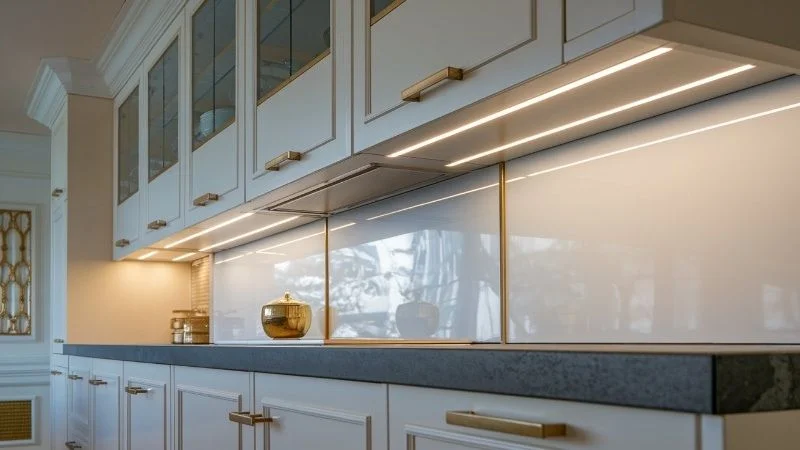
Types of Indoor Pathway Lighting
- Recessed Floor Lights: Installed along hallways or stairs, these provide low-level illumination that marks the route without glare.
- Under-Cabinet and Toe-Kick Lights: In kitchens or bathrooms, these highlight the floor area, making navigation easier at night.
- Wall-Mounted Step Lights: Placed beside staircases or at transitions, these fixtures help users see each step clearly.
- Motion-Activated Night Lights: Ideal for bedrooms, bathrooms, and corridors, these turn on automatically when movement is detected, offering convenience and energy savings.
Best Practices for Indoor Guidance
To maximize the benefits of indoor pathway lighting, consider the following tips:
- Use warm color temperatures (2700K–3000K) for a comfortable, inviting feel.
- Install fixtures at regular intervals to avoid dark spots or harsh contrasts.
- Choose dimmable or adjustable lights for flexibility in different settings.
- Ensure that switches or controls are easy to reach and understand, especially for guests or those with limited dexterity.
Outdoor Path Guidance: Safety and Style
Exterior walkways, driveways, and garden paths benefit greatly from dedicated lighting. Outdoor solutions must withstand weather conditions while providing reliable illumination for safe passage.

Popular Outdoor Lighting Options
- Bollard Lights: Short, sturdy posts that mark the edges of paths and driveways, providing clear visual boundaries.
- In-Ground and Deck Lights: Flush-mounted fixtures that illuminate walkways without obstructing foot traffic or landscaping equipment.
- Solar Path Lights: Easy to install and energy-efficient, these are ideal for marking garden trails or secondary routes.
- Step and Wall Lights: Mounted on exterior stairs or retaining walls, these fixtures improve safety on changes in elevation.
Design Tips for Outdoor Pathways
When planning outdoor illumination, keep these guidelines in mind:
- Space fixtures evenly to avoid dark gaps and ensure continuous guidance.
- Use weather-resistant, IP-rated products for durability in all seasons.
- Position lights to minimize glare and avoid shining directly into windows or neighboring properties.
- Consider motion sensors or timers to save energy and provide light only when needed.
Integrating Pathway Lighting with Home Safety Features
Combining pathway illumination with other safety elements enhances overall accessibility and peace of mind. For example, pairing illuminated routes with grab bars in bathrooms or handrails on stairs creates a comprehensive approach to fall prevention. If you’re considering upgrades, learning about walk-in tub frame construction types can help you choose the best options for your needs.
Choosing the Right Fixtures and Controls
Selecting the best products for guiding movement depends on the location, user needs, and desired style. Here are some factors to consider:
- Brightness: Choose fixtures that provide enough light for safe navigation without creating harsh shadows or glare.
- Color Temperature: Warmer tones are generally more comfortable for residential settings, while cooler tones may suit commercial or outdoor spaces.
- Energy Efficiency: LED technology offers long life and low power consumption, making it ideal for continuous or frequently used lights.
- Smart Controls: Motion sensors, timers, and dimmers add convenience and help reduce energy costs.
Maintenance and Safety Considerations
Keeping pathway lighting in good condition is essential for ongoing safety and performance. Regularly check for burnt-out bulbs, damaged fixtures, or obstructed lenses. Clean outdoor lights to remove dirt and debris, and trim plants that may block illumination. Indoors, ensure that cords or controls do not create tripping hazards.
Frequently Asked Questions
What is the ideal brightness for pathway lighting?
For most indoor routes, 100–200 lumens per fixture is sufficient to mark the way without causing glare. Outdoor paths may require 200–400 lumens, depending on ambient light and the width of the walkway.
Can I use solar lights for all outdoor pathways?
Solar lights are a convenient, eco-friendly choice for many garden paths and secondary walkways. However, for main entrances or areas with heavy foot traffic, hardwired or low-voltage LED fixtures may offer more consistent performance, especially in regions with limited sunlight.
Are motion-activated lights suitable for indoor guidance?
Yes, motion-activated night lights are excellent for hallways, bathrooms, and bedrooms. They provide illumination only when needed, reducing energy use and minimizing disturbance during nighttime movement.
How can I make my home safer for seniors with lighting?
Use continuous, low-level illumination along hallways and stairs, avoid sharp contrasts, and install switches or controls at accessible heights. Pairing lighting with other safety features, such as grab bars or non-slip flooring, further reduces fall risks.
Thoughtful lighting for path guidance transforms both indoor and outdoor spaces, making them safer, more welcoming, and easier to navigate for everyone. By selecting the right fixtures and following best practices, you can create routes that are both functional and visually appealing.