
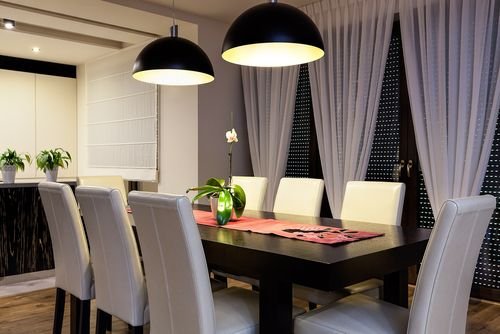
Good lighting is essential for safety, comfort, and functionality after dark. Whether you’re reading, navigating hallways, or preparing a late-night snack, the right illumination can make all the difference. Thoughtful choices in fixtures and placement can reduce eye strain, prevent accidents, and create a welcoming atmosphere for everyone in your household. This guide explores practical strategies and product options to improve lighting for visibility at night in every area of your home.
Before diving into fixture types and placement, it’s important to consider the specific needs of each space. For example, bedrooms may benefit from gentle, indirect light, while kitchens and bathrooms require brighter, focused illumination. If you’re interested in bathroom safety upgrades, you might also want to learn about walk-in shower grab bar weight ratings for added support and peace of mind.
Understanding the Importance of Nighttime Illumination
When the sun sets, our eyes rely heavily on artificial light to perceive our surroundings. Inadequate or poorly placed lighting can lead to missteps, especially for older adults or those with visual impairments. Enhancing lighting for visibility at night is not just about aesthetics—it’s a key factor in home safety and accessibility.
- Reduces fall risk: Well-lit pathways and stairs help prevent trips and accidents.
- Supports daily routines: Proper task lighting makes activities like reading, cooking, or grooming easier and more comfortable.
- Improves mood and security: A well-lit home feels more inviting and deters unwanted intruders.
Types of Fixtures for Enhanced Nighttime Visibility
Choosing the right fixtures is crucial for effective nighttime lighting. Here are some popular options to consider for different rooms and purposes:
Recessed and Ceiling Lights
Recessed lighting, also known as downlights, provides broad, even illumination without taking up visual space. These fixtures are ideal for living rooms, kitchens, and hallways. Opt for LED models for energy efficiency and long life. For those considering upgrades, you can buy LED recessed lights that offer adjustable color temperatures to suit day and night needs.

Task and Reading Lamps
For activities that require focused light, such as reading or working at a desk, task lamps are essential. Adjustable arms and dimmable bulbs allow you to direct light exactly where it’s needed, minimizing glare and shadows. Position lamps close to the task area and use bulbs with a color temperature between 2700K and 3000K for a warm, comfortable glow.
Night Lights and Motion Sensors
Small, low-level night lights are perfect for hallways, bathrooms, and children’s rooms. Motion sensor models automatically turn on when movement is detected, providing guidance without the need to fumble for switches. These are especially helpful for nighttime trips to the bathroom or kitchen.
Lighting Placement Strategies for Maximum Effectiveness
Where you place your lights is just as important as the type of fixture you choose. Here are some tips for optimizing lighting for visibility at night throughout your home:
- Layer your lighting: Combine ambient, task, and accent lighting to create a balanced environment. For example, use ceiling lights for general illumination, table lamps for reading, and wall sconces for visual interest.
- Illuminate pathways: Place lights along hallways, stairs, and entryways to guide movement and prevent accidents.
- Highlight hazards: Use focused lighting near steps, thresholds, and other potential trip points.
- Consider smart controls: Dimmer switches, timers, and smart bulbs allow you to adjust brightness and automate schedules for convenience and energy savings.
Choosing the Right Bulbs for Nighttime Use
The type of bulb you select can have a significant impact on visibility and comfort. Here’s what to look for:
- Brightness: Measured in lumens, higher numbers mean more light. For general areas, aim for 800–1,100 lumens per fixture; for task areas, 450–800 lumens may suffice.
- Color temperature: Warm white (2700K–3000K) is gentle on the eyes and promotes relaxation, while cool white (3500K–4100K) enhances alertness for tasks.
- Energy efficiency: LEDs use less power and last much longer than incandescent or CFL bulbs.
For a deeper dive into fixture types and how to use them, check out this comprehensive overview of indoor lighting options.
Room-by-Room Tips for Nighttime Lighting
Bedrooms
Opt for soft, indirect lighting to create a calming environment. Bedside lamps with adjustable brightness are ideal for reading or winding down. Night lights with motion sensors can help guide late-night trips without disturbing sleep.
Kitchens and Dining Areas
Use a combination of overhead fixtures and under-cabinet lights to ensure work surfaces are well-lit. Dimmable options allow you to adjust brightness for different activities, from meal prep to midnight snacks.
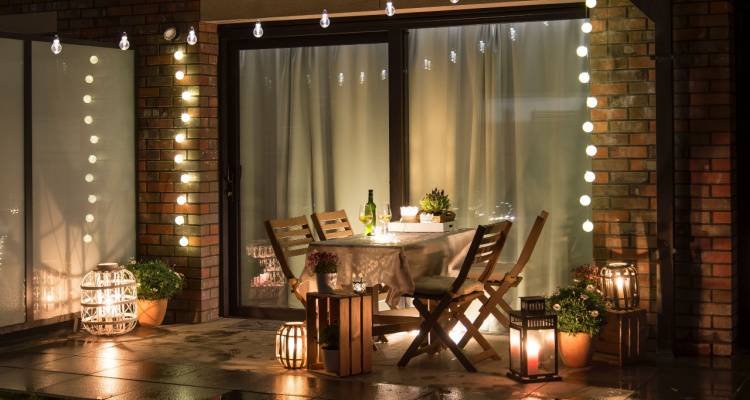
Bathrooms
Install bright, glare-free lighting around mirrors for grooming tasks. Consider motion-activated night lights to safely navigate in the dark. For those exploring home modifications, understanding walk-in tub faucet types and flow rates can also improve nighttime usability.
Hallways and Stairs
Continuous, low-level lighting along hallways and staircases ensures safe passage. Wall sconces, step lights, or plug-in night lights can all be effective solutions.
Maintaining and Upgrading Your Lighting System
Regularly check that all bulbs are functioning and replace any that are dim or flickering. Upgrading to smart bulbs or fixtures can offer greater control and efficiency. When making changes, always consider the specific needs of household members, especially children, seniors, or anyone with limited mobility.
Frequently Asked Questions
What is the best type of light for night visibility in bedrooms?
Soft, warm-toned lights (2700K–3000K) are ideal for bedrooms as they provide enough illumination for tasks while promoting relaxation. Bedside lamps and motion-activated night lights are both excellent choices.
How can I make my stairs safer at night?
Install step lights or low-level wall sconces along the staircase. Motion sensor night lights are also effective, turning on automatically as you approach the stairs. Ensure all bulbs are bright enough to clearly illuminate each step.
Are LED bulbs better for nighttime use?
Yes, LED bulbs are energy-efficient, long-lasting, and available in a range of brightness levels and color temperatures. They are well-suited for both general and task lighting at night.
Conclusion
Improving lighting for visibility at night is a practical way to enhance safety, comfort, and convenience throughout your home. By selecting the right fixtures, optimizing placement, and choosing suitable bulbs, you can create a well-lit environment that supports every member of your household. For more tips on home upgrades and accessibility, explore related topics like are walk-in tubs covered by insurance and other helpful resources.