
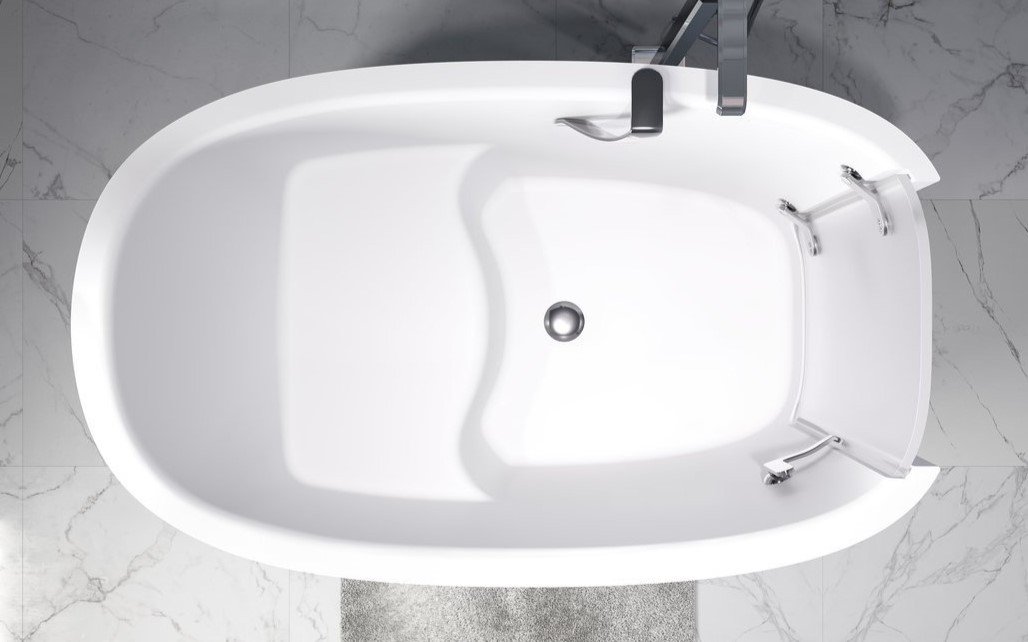
Chronic back pain is a common challenge that affects millions of people, often limiting mobility and reducing quality of life. For those seeking non-invasive relief, walk-in tub hydrotherapy offers a practical and soothing solution. By combining the therapeutic effects of warm water and targeted jets, these specialized tubs can help manage discomfort, promote relaxation, and support daily wellness routines. This article explores effective ways to incorporate hydrotherapy into your routine, what to expect, and how to maximize the benefits for long-term back health.
Before diving into the practical steps, it’s helpful to understand the basics of how hydrotherapy works and why walk-in tubs have become a preferred choice for many individuals dealing with persistent back pain. If you’re interested in the technical aspects of these tubs, such as the differences in jet types, you may find this resource on understanding walk-in tub jet types particularly useful.
Understanding Hydrotherapy for Back Pain Relief
Hydrotherapy leverages the natural properties of water—buoyancy, warmth, and pressure—to ease muscle tension and reduce inflammation. In a walk-in tub, these effects are enhanced by ergonomic seating and strategically placed jets that target the lower and upper back. The combination of heat and gentle massage can help:
- Increase blood circulation to sore muscles
- Loosen tight or stiff areas in the back
- Promote relaxation and stress reduction
- Support joint flexibility and range of motion
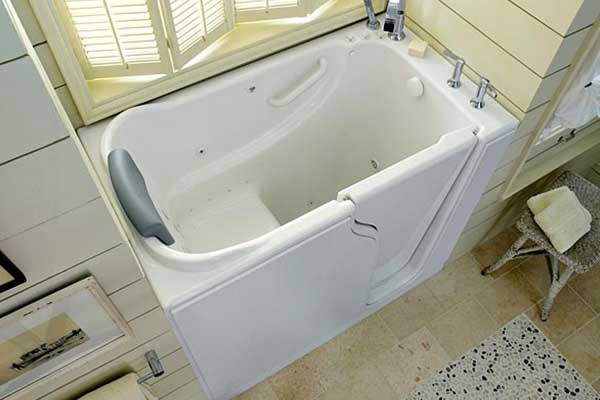
For those with limited mobility or balance concerns, walk-in tubs provide a safer alternative to traditional bathtubs, minimizing the risk of slips and falls. The easy-access door and built-in seating make it possible for users to enjoy hydrotherapy independently and comfortably.
Preparing for Your First Hydrotherapy Session
To get the most out of your walk-in tub, preparation is key. Here are a few steps to consider before starting your session:
- Consult your healthcare provider: Especially if you have underlying health conditions, it’s important to discuss your plans with a medical professional. They can offer guidance on session length, water temperature, and frequency.
- Set the right water temperature: Warm water (between 92°F and 100°F) is generally recommended for muscle relaxation. Avoid excessively hot water, as this can cause discomfort or exacerbate certain conditions.
- Gather essentials: Have towels, a non-slip mat, and any personal care items within reach. Some users find it helpful to keep a bottle of water nearby to stay hydrated.
- Adjust the jets: Most walk-in tubs allow you to control the intensity and direction of the jets. Position them to focus on the areas where you experience the most discomfort.
For more on optimizing your tub setup, including faucet placement and reach, see this guide on walk-in tub faucet reach and placement.
Steps for Using Walk-In Tub Hydrotherapy for Back Pain
Incorporating hydrotherapy into your pain management routine can be straightforward. Here’s a step-by-step approach to using your walk-in tub effectively:
- Enter the tub safely: Open the door, step in slowly, and close the door securely. Sit down on the built-in seat before filling the tub.
- Fill the tub: Use the faucet to fill the tub to a comfortable level, ensuring the water covers your back when seated.
- Activate the jets: Once the tub is filled, turn on the hydrotherapy jets. Adjust the settings for pressure and direction to target your sore spots.
- Relax and soak: Spend 15–30 minutes enjoying the warmth and gentle massage. Focus on deep breathing and allow your muscles to unwind.
- End the session: Turn off the jets and drain the tub before opening the door. Stand up slowly to avoid dizziness, and dry off carefully.
Consistency is important for lasting results. Many people find that using hydrotherapy several times a week helps manage chronic pain and supports overall well-being.
Tips to Maximize the Benefits of Hydrotherapy
To get the most out of your hydrotherapy sessions, consider these practical tips:
- Establish a routine: Schedule regular sessions at times when your back pain is most pronounced, such as after physical activity or before bedtime.
- Combine with gentle stretching: After soaking, perform light stretches to further ease muscle tension. Always consult your doctor or physical therapist for safe exercises.
- Monitor your response: Keep track of how your body responds to each session. Adjust water temperature, jet intensity, and session length as needed.
- Stay hydrated: Drink water before and after your bath to prevent dehydration, especially if you use warm water for extended periods.
- Maintain your tub: Regularly clean and inspect your walk-in tub to ensure optimal performance and hygiene.
For those considering different construction options, learn more about walk-in tub frame construction types to select a model that best suits your needs.
Safety Considerations and Accessibility
Safety is a top priority for anyone using hydrotherapy, especially individuals with chronic pain or limited mobility. Walk-in tubs are designed with features such as low thresholds, grab bars, and anti-slip flooring to enhance security. For additional support, review the walk-in shower grab bar weight ratings to ensure your bathroom setup meets your needs.
Always check that the tub door is fully sealed before filling, and never leave the tub unattended while in use. If you experience dizziness, shortness of breath, or increased pain, end the session immediately and consult your healthcare provider.
Comparing Walk-In Tubs to Other Pain Relief Options
While hydrotherapy is not a cure for chronic back pain, it offers a gentle, non-pharmaceutical approach that can complement other treatments. Compared to medications or invasive procedures, walk-in tubs provide a low-risk, at-home solution that can be tailored to individual comfort levels. They are especially beneficial for seniors and those with disabilities, as highlighted in this overview of walk-in tub benefits for seniors.
Some users may also consider alternatives such as heating pads, physical therapy, or aquatic exercise. However, the unique combination of heat, buoyancy, and massage in a walk-in tub often delivers more comprehensive relief for persistent back discomfort.
Frequently Asked Questions
How often should I use walk-in tub hydrotherapy for back pain?
Most people benefit from hydrotherapy sessions two to four times per week. However, frequency can vary based on individual needs and medical advice. It’s best to start with shorter sessions and gradually increase as tolerated.
Can I use bath salts or essential oils in my walk-in tub?
Some walk-in tubs are compatible with bath salts or oils, but always check the manufacturer’s guidelines first. Certain additives can affect the tub’s plumbing or jet system. If allowed, use only products designed for jetted tubs to prevent buildup and damage.
Is hydrotherapy safe for everyone with chronic back pain?
While hydrotherapy is generally safe, it may not be suitable for individuals with certain medical conditions, such as severe heart problems or open wounds. Always consult your healthcare provider before starting hydrotherapy, especially if you have underlying health issues.
Conclusion
Integrating walk-in tub hydrotherapy into your daily routine can offer significant relief from chronic back discomfort, improve mobility, and enhance overall well-being. By following safe practices, adjusting your sessions to your needs, and maintaining your equipment, you can make the most of this accessible and effective pain management tool. For those looking to improve their bathing environment further, exploring options like walk-in shower curb vs curbless comparison can help create a safer and more comfortable home.