
Making a home safer and more comfortable is a priority for many older adults. As people age, certain features in the house can become challenging, but practical upgrades can help maintain independence and peace of mind. This guide focuses on affordable home improvements for seniors, offering practical advice and resources to help older adults and their families create a safer living environment without overspending.
From simple do-it-yourself fixes to budget-friendly professional upgrades, there are many ways to enhance accessibility, safety, and comfort. Whether you’re planning ahead or responding to new needs, understanding your options can make a significant difference in daily life. For those considering bathroom modifications, learning about walk-in shower grab bar weight ratings can be a helpful starting point for ensuring proper support and safety.
Why Prioritize Cost-Effective Upgrades for Aging in Place?
Staying in one’s own home as long as possible—often called “aging in place”—is a common goal. However, traditional homes may not be designed with older adults’ needs in mind. Simple, affordable changes can reduce fall risks, improve mobility, and boost confidence. Focusing on cost-effective modifications means more seniors can benefit, regardless of budget constraints.
Many improvements can be made incrementally, allowing families to address the most urgent needs first. By planning ahead and choosing the right projects, it’s possible to create a supportive environment without major renovations.
Top Budget-Friendly Home Modifications for Seniors
There are several practical updates that can make a big difference in safety and comfort. Here are some of the most impactful and affordable options:
- Grab Bars and Handrails: Installing sturdy grab bars in bathrooms and along hallways helps prevent slips and falls. For guidance on choosing the right equipment, see resources on walk-in shower grab bar weight ratings.
- Non-Slip Flooring: Adding non-slip mats or adhesive strips in bathrooms, kitchens, and entryways can greatly reduce the risk of accidents.
- Improved Lighting: Replacing dim bulbs with brighter, energy-efficient options and adding nightlights in key areas can help prevent trips and falls.
- Lever-Style Door Handles: Swapping out round knobs for lever handles makes doors easier to open, especially for those with arthritis or limited grip strength.
- Accessible Storage: Lowering shelves and organizing frequently used items within easy reach can minimize the need for bending or climbing.
- Raised Toilet Seats: Installing a raised seat or grab bars near the toilet can make bathroom use safer and more comfortable.
- Shower Chairs and Handheld Showerheads: These additions make bathing easier and reduce the risk of slipping.
Affordable Accessibility Solutions for Bathrooms and Kitchens
Bathrooms and kitchens are high-traffic areas where falls and injuries are most likely. Fortunately, there are many affordable home improvements for seniors that can make these spaces safer:
- Walk-In Tubs and Showers: While full installations can be expensive, there are budget-friendly options and partial upgrades. For more information, explore walk-in tub frame construction types to understand the best fit for your needs.
- Faucet Upgrades: Lever-style or touchless faucets are easier to operate and help prevent scalds. Learn about walk-in tub faucet types and flow rates for fast filling and ease of use.
- Anti-Scald Devices: Installing anti-scald valves on showers and sinks can protect sensitive skin from burns.
- Accessible Countertops: Lowering a section of countertop or adding a pull-out work surface can help those who use wheelchairs or have limited mobility.
- Easy-Access Cabinets: Pull-out shelves and lazy Susans make it easier to reach items without bending or stretching.
Lighting and Electrical Upgrades for Safety
Good lighting is essential for preventing accidents. Here are some simple, low-cost ways to improve visibility and convenience:
- Motion-Sensor Lights: These automatically illuminate hallways, bathrooms, and entryways when someone enters the area.
- Nightlights: Placing nightlights in bedrooms, bathrooms, and along paths to the kitchen can help prevent nighttime falls.
- Easy-to-Reach Switches: Installing rocker switches or relocating switches to accessible heights makes them easier to use.
- Smart Home Devices: Affordable smart bulbs and plugs can be controlled by voice or smartphone, reducing the need to reach for switches.

Financial Assistance and Community Resources
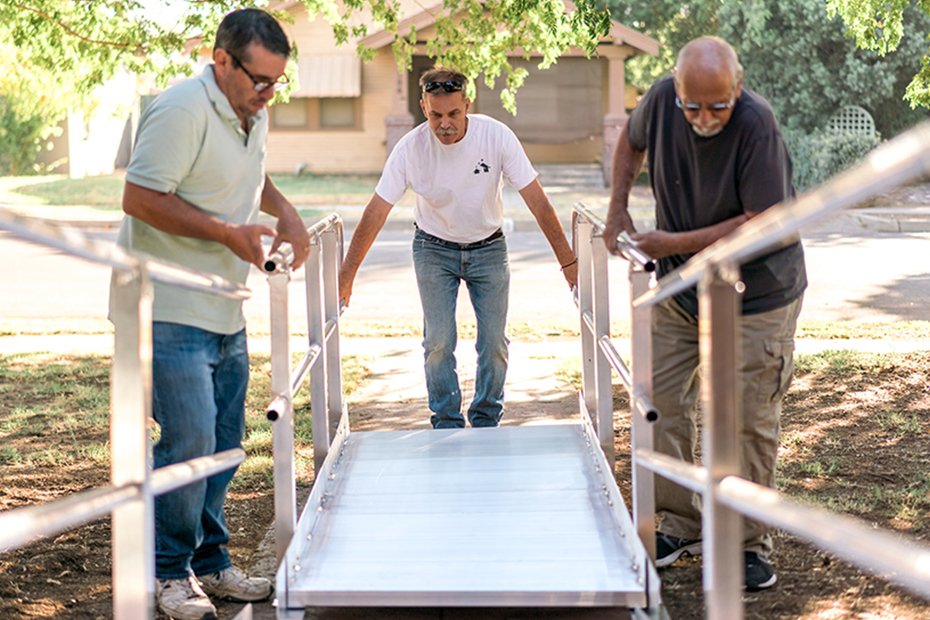
Many seniors and their families worry about the cost of home upgrades. Fortunately, there are programs and organizations that can help offset expenses. Local nonprofits, government agencies, and community groups often provide grants, low-interest loans, or volunteer labor for essential modifications.
For example, Habitat for Humanity’s Aging in Place program offers support for older adults seeking to improve their homes’ safety and accessibility. It’s also worth checking with local Area Agencies on Aging, which may have information on available grants and services.
Before starting any project, it’s a good idea to research what financial assistance may be available in your area. Some insurance policies may cover certain upgrades; for more details, see are walk-in tubs covered by insurance for insights on Medicare and claims.
Planning and Prioritizing Senior-Friendly Upgrades
When considering affordable home improvements for seniors, it’s important to assess the home’s current condition and identify the most pressing needs. Start by:
- Conducting a safety audit to spot hazards such as loose rugs, poor lighting, or hard-to-reach storage.
- Prioritizing changes that address immediate risks, like fall prevention and bathroom safety.
- Setting a budget and exploring low-cost or DIY options before committing to larger projects.
- Consulting with occupational therapists or aging-in-place specialists for personalized recommendations.
By taking a step-by-step approach, families can make meaningful improvements over time, ensuring that seniors remain comfortable and secure in their homes.
Frequently Asked Questions
What are the most important home modifications to help seniors age in place?
The most critical changes include installing grab bars and handrails, improving lighting, adding non-slip flooring, and making bathrooms more accessible. These upgrades address the highest risks and can often be done affordably.
Are there grants or assistance programs for senior home improvements?
Yes, many local and national organizations offer financial help. Nonprofits, government agencies, and programs like Habitat for Humanity’s Aging in Place can provide funding or volunteer labor for essential modifications.
How can I make a bathroom safer for an older adult on a budget?
Start with simple changes like adding non-slip mats, installing a raised toilet seat, and placing grab bars near the shower and toilet. Consider a shower chair or handheld showerhead for added safety and comfort.
Do insurance policies cover accessibility upgrades for seniors?
Some insurance plans may cover certain modifications, especially if they are medically necessary. For more information, review the details at are walk-in tubs covered by insurance to understand coverage options and claims processes.
What is the best way to prioritize home improvements for older adults?
Begin by identifying the most urgent safety concerns, such as fall hazards or difficult-to-access areas. Address these first, then plan for additional upgrades as budget and time allow. Consulting with professionals can help ensure the most effective use of resources.