
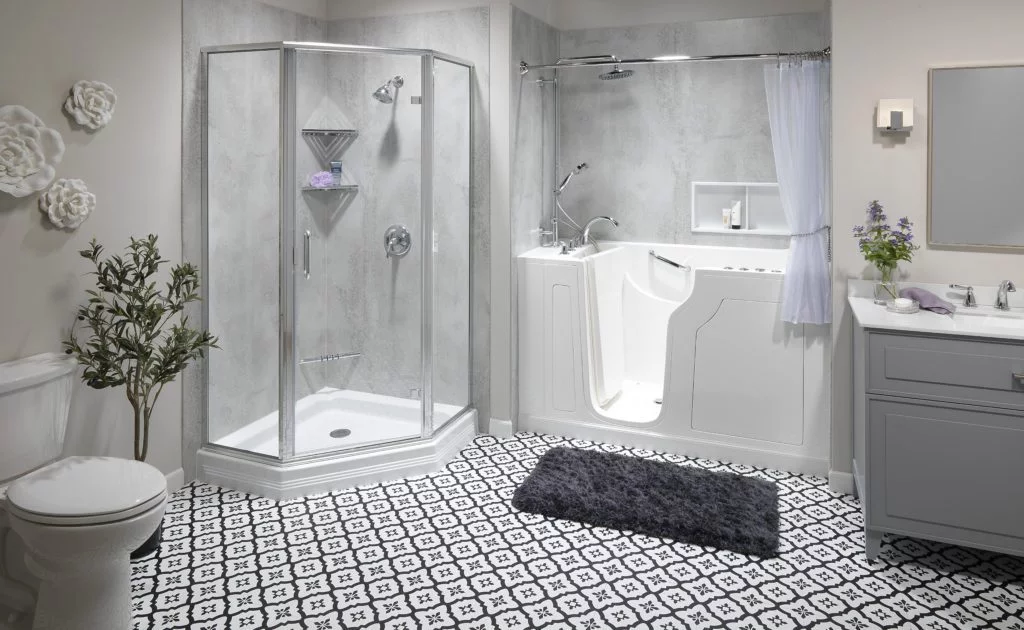
Mold growth is a common concern in modern bathrooms, especially in walk-in showers where moisture and warmth create the perfect environment for fungi to thrive. Understanding how to prevent mold in walk-in showers is essential for maintaining a clean, healthy, and safe bathing space. With the right ventilation strategies and regular care, you can significantly reduce the risk of mold and keep your shower looking new for years.
This article offers practical advice on moisture management, cleaning routines, and design choices that help stop mold before it starts. You’ll also find tips on choosing the right products and maintaining your shower’s features for long-term protection. For those interested in related safety upgrades, you may want to review walk-in shower grab bar weight ratings to ensure your shower is both secure and hygienic.
Why Mold Develops in Walk-In Showers
Mold spores are present in almost every indoor environment, but they only become a problem when they find the right conditions to grow. In walk-in showers, the combination of high humidity, standing water, and organic material (like soap residue or skin cells) creates an ideal breeding ground. Without proper intervention, mold can quickly colonize grout lines, caulking, and even shower fixtures.
The absence of barriers in walk-in designs can sometimes mean water spreads further, increasing the area at risk. That’s why focusing on both ventilation and routine care is crucial for mold prevention.
Effective Ventilation Strategies for Mold Prevention
One of the most important steps in controlling mold is ensuring that your bathroom—and especially your shower area—dries out quickly after use. Here are some proven ventilation methods:
- Install a high-quality exhaust fan: Make sure it is rated for your bathroom’s size and run it during and for at least 20 minutes after every shower.
- Open windows and doors: If possible, allow fresh air to circulate by opening a window or the bathroom door after showering.
- Use a squeegee: After each use, remove excess water from walls and glass panels to speed up drying.
- Keep shower doors or curtains open: This helps air flow through the shower and prevents trapped moisture.
For more tips on optimizing your shower space for seniors and those with mobility needs, see this comprehensive guide to walk-in showers for seniors.
Daily and Weekly Care Routines
Consistent cleaning is another key factor in stopping mold before it starts. Here’s a practical routine:
- Daily: Wipe down surfaces with a microfiber cloth or squeegee. Remove any visible soap scum or hair.
- Weekly: Use a mild, non-abrasive cleaner on tiles, grout, and fixtures. Pay special attention to corners and joints where moisture lingers.
- Monthly: Inspect caulking and grout for cracks or discoloration. Replace or repair as needed to prevent water from seeping behind surfaces.
For a deeper dive into cleaning methods, check out this resource on how to sanitize a walk-in shower for best practices and product recommendations.
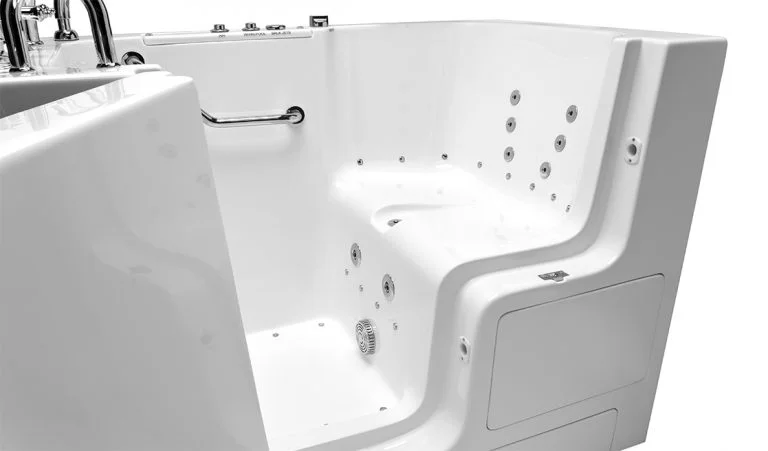
Design Features That Help Stop Mold Growth
The materials and layout of your walk-in shower can make a big difference in how easily mold can take hold. Consider these features:
- Non-porous surfaces: Choose tiles, panels, and fixtures that resist water absorption, making it harder for mold to grow.
- Minimal grout lines: Larger tiles or solid surface panels reduce the amount of grout, which is a common spot for mold.
- Sloped flooring: Proper slope ensures water drains quickly, leaving less standing moisture.
- Accessible design: Features like built-in benches and grab bars not only improve safety but also make cleaning easier.
For more on construction and material choices, see the article on walk-in tub frame construction types for insights into durability and maintenance.
Best Products for Mold Prevention in Showers
Using the right products can further reduce the risk of mold in your shower area. Here are some recommendations:
- Mold-resistant caulk: Use silicone-based caulking labeled as mold- or mildew-resistant for sealing joints and corners.
- Grout sealers: Apply a penetrating sealer to grout lines every six months to block moisture.
- Daily shower sprays: Leave-in sprays can help break down soap scum and inhibit mold growth between cleanings.
- HEPA air purifiers: These can help reduce airborne spores in bathrooms with poor ventilation.
When to Seek Professional Help
Sometimes, despite your best efforts, mold may persist or return. If you notice black spots spreading, a persistent musty odor, or if mold appears behind tiles or walls, it’s time to consult a professional. Mold remediation experts can assess the extent of the problem and recommend solutions that may include replacing materials or upgrading your ventilation system.
Additionally, if you are considering a remodel or new installation, working with experienced contractors can help ensure your walk-in shower is designed to minimize mold risks from the start.
Additional Tips for Long-Term Mold Prevention
- Fix leaks promptly: Even small drips can create hidden moisture problems behind walls or under floors.
- Declutter the shower area: Remove unnecessary bottles and accessories that trap water and block airflow.
- Monitor humidity: Use a hygrometer to keep bathroom humidity below 60%. Consider a dehumidifier if needed.
- Upgrade fixtures: Replace old showerheads or faucets that leak or spray water outside the intended area.
For those interested in additional wellness features, explore aromatherapy options for walk-in bathtubs to enhance both relaxation and air quality in your bathroom.
Frequently Asked Questions
What is the most effective way to keep mold out of a walk-in shower?
The most effective approach combines proper ventilation, daily drying of surfaces, and regular cleaning with mold-inhibiting products. Running an exhaust fan, using a squeegee, and keeping the shower area as dry as possible are essential steps.
How often should I clean my walk-in shower to prevent mold?
Wipe down surfaces after every use, and perform a thorough cleaning at least once a week. Inspect grout and caulking monthly and address any signs of mold or damage immediately.
Are there specific materials that are less likely to develop mold?
Yes, non-porous materials like glass, acrylic, and certain ceramics are less prone to mold growth. Mold-resistant caulking and grout sealers also help protect vulnerable areas.
Can mold in a walk-in shower cause health problems?
Prolonged exposure to mold can trigger allergies, respiratory issues, and other health concerns, especially for those with sensitivities. Prompt removal and prevention are important for maintaining a healthy home.
What should I do if I find mold behind the tiles?
If mold is discovered behind tiles or walls, professional remediation is recommended. This often involves removing affected materials and addressing the source of moisture to prevent recurrence.