
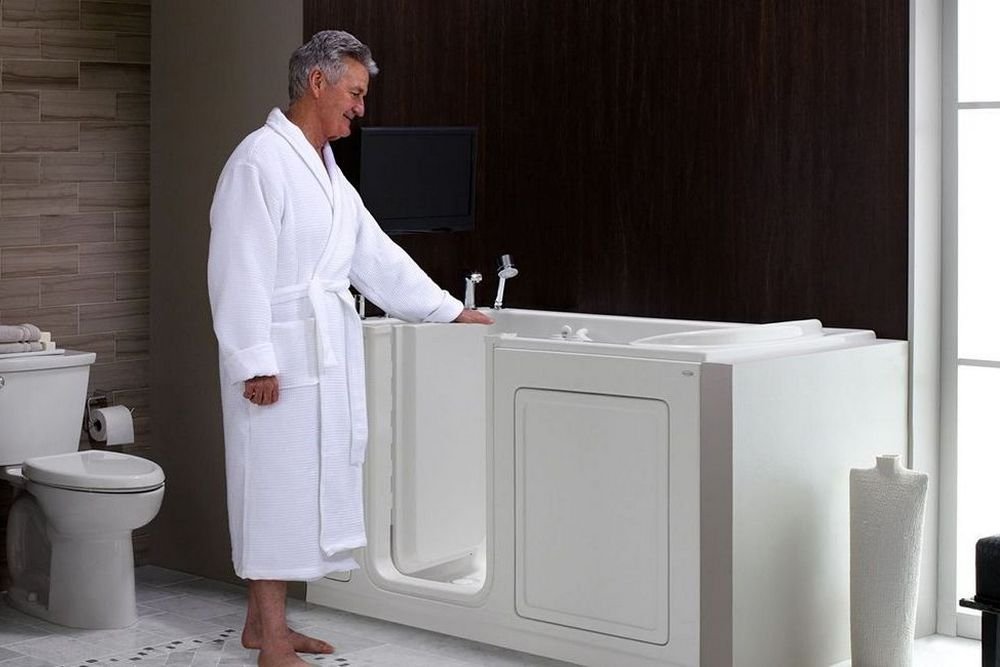
Supporting a loved one or client with bathing can be a sensitive and important responsibility. Walk-in tubs are designed to improve safety and comfort, especially for older adults or those with mobility challenges. However, even with these features, caregivers must follow best practices to ensure a secure and dignified bathing experience. This article offers practical advice for anyone learning how to assist someone using a walk-in tub, including preparation, safe transfers, and aftercare.
Before diving into step-by-step guidance, it’s helpful to understand the unique features of walk-in tubs. These tubs typically have a low threshold, watertight door, built-in seating, and non-slip surfaces. Some models also include therapeutic options like jets or heated backrests. If you’re interested in learning more about advanced safety features, you might find this resource on walk-in tub suction safety features useful.
Preparing for a Safe Bathing Experience
Preparation is key when helping someone bathe in a walk-in tub. Start by gathering all necessary supplies within arm’s reach. This includes towels, washcloths, soap, shampoo, and any personal care items. Make sure the bathroom is warm and free of clutter to prevent slips or trips. If the person uses mobility aids, such as a walker or wheelchair, position them close to the tub entrance for easy access.
Check the tub’s water temperature before the person enters. Aim for a comfortable, lukewarm setting—usually between 98°F and 100°F. Many walk-in tubs have anti-scald valves, but always test the water with your hand or a bath thermometer to avoid burns.
Encourage the person to use the restroom before bathing, as most walk-in tubs require the door to remain closed until the water drains. This helps prevent discomfort or urgency during the bath.
Transferring In and Out of the Tub
One of the most important aspects of helping someone use a walk-in tub is ensuring safe entry and exit. Begin by assisting the individual to the tub’s door, offering support as needed. If they use a mobility aid, help them position it securely and ensure the floor is dry.
Open the tub door fully and encourage the person to step in slowly. Many walk-in tubs have a low threshold, but some users may still need help lifting their legs over the edge. Offer a steady hand or use a transfer belt if appropriate. Once inside, help them sit down on the built-in seat and close the door securely.
While the tub fills, remain nearby to provide reassurance and monitor for signs of discomfort. If the person is unsteady, keep a hand on their shoulder or back for support. During the bath, never leave them unattended—accidents can happen quickly, even in tubs designed for safety.
Bathing Assistance and Comfort Measures
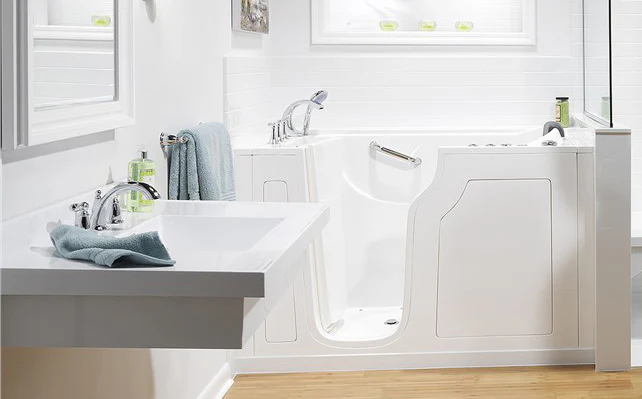
Once the person is seated and comfortable, begin the bathing routine. Use gentle, respectful communication to explain each step. Ask for their preferences regarding soap, shampoo, and water pressure. Some walk-in tubs offer features like foot massage jets, which can be beneficial for circulation. For more information on these features, see walk-in tub foot massage jet benefits.
Use a handheld showerhead to control the flow of water, directing it away from the face and eyes. Wash the person’s body gently, starting from the cleanest areas and moving to the dirtiest. Rinse thoroughly to remove all soap and shampoo, which can cause irritation if left on the skin.
Throughout the process, check in frequently to ensure the person feels safe and comfortable. Offer a towel to cover exposed areas for warmth and modesty. If the tub has hydrotherapy jets, ask if they would like to use them, but always monitor for any signs of discomfort or dizziness.
Exiting the Tub and Post-Bath Care
After bathing, drain the tub completely before opening the door. Help the person stand up slowly, supporting them as needed. Offer a sturdy hand or use a transfer aid to guide them out of the tub. Place a non-slip bath mat on the floor to prevent falls.
Wrap the person in a warm towel and assist with drying, paying special attention to skin folds and between toes to prevent moisture buildup. Help them dress in comfortable clothing or a robe. If they use assistive devices, return them to their usual position for easy access.
After the bath, check the tub and bathroom floor for water spills and clean up promptly. This helps maintain a safe environment for future use.
Tips for Caregivers: Enhancing Safety and Dignity
When learning how to assist someone using a walk-in tub, it’s important to balance safety with respect for the individual’s privacy and independence. Here are some additional tips:
- Communicate clearly: Always explain what you’re doing and ask for permission before touching or moving the person.
- Encourage independence: Allow the person to do as much as they can safely. Offer help only when needed.
- Use adaptive equipment: Consider grab bars, non-slip mats, and handheld showerheads to make bathing easier and safer.
- Monitor for signs of fatigue: If the person becomes tired or dizzy, pause and offer a break.
- Maintain skin health: Check for redness, sores, or irritation, especially in areas that stay moist.
For caregivers interested in keeping the bathroom clean and safe, microfiber towels can be a helpful tool. Learn more about the benefits of microfiber towels for walk-in showers and how they can simplify maintenance.
Common Challenges and Solutions
Even with the right equipment, caregivers may face challenges when helping someone bathe. Here are some common issues and practical solutions:
- Fear of slipping: Use non-slip mats and ensure the floor is dry. Encourage the person to move slowly and hold onto grab bars.
- Difficulty with transfers: Use a transfer bench or belt for added support. Practice safe lifting techniques to protect your back.
- Temperature sensitivity: Always check water temperature before the bath. Adjust as needed to suit the person’s comfort level.
- Modesty concerns: Use towels or robes to cover the person during transfers and bathing. Respect their privacy at all times.
If you’re considering other accessible bathing options, you may want to explore walk-in showers designed for older adults, which offer additional flexibility for different mobility needs.
Maintenance and Safety Checks
Regular maintenance is essential to keep a walk-in tub functioning safely. Clean the tub after each use to prevent soap scum and mold buildup. Check that the door seals are intact and watertight. Inspect grab bars and seating for stability.
Electrical safety is also important, especially if the tub has jets or heated features. If you’re unsure about the electrical setup, see this guide on how to check walk-in tub electrical grounding for safety tips.
Frequently Asked Questions
What should I do if the person I’m assisting is afraid of bathing?
Start by addressing their concerns and explaining each step of the process. Use a calm, reassuring tone and allow them to participate in decisions. Gradually introduce the walk-in tub, and consider shorter baths at first to build confidence.
How can I make the bathing process more comfortable for someone with limited mobility?
Use adaptive equipment such as transfer benches, grab bars, and handheld showerheads. Allow extra time for each step, and encourage the person to do as much as they can independently. Always prioritize safety and comfort.
Are there any special cleaning tips for walk-in tubs?
Clean the tub after each use with mild, non-abrasive cleaners. Pay attention to door seals and jets, if present. Dry all surfaces thoroughly to prevent mold or mildew. For easy cleaning, microfiber towels are highly effective.