
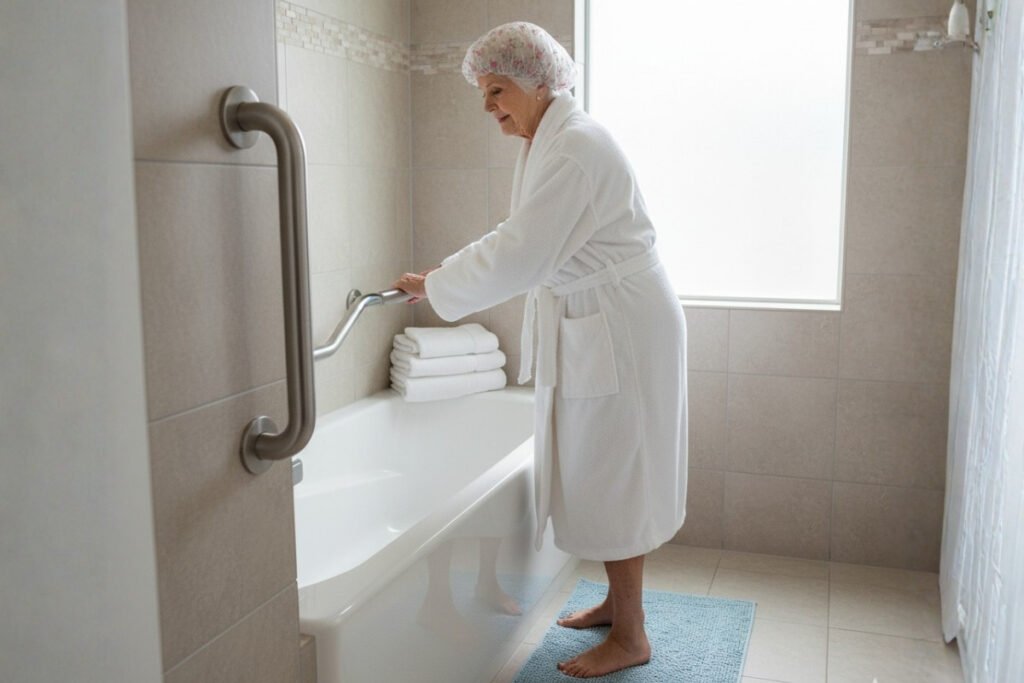
Falls are a leading cause of injury among older adults, but many accidents can be prevented with the right strategies and home modifications. As people age, changes in balance, vision, and mobility can increase the risk of falling. Fortunately, there are practical fall prevention solutions for seniors that can make daily life safer and more comfortable. This guide explores essential products, home improvements, and expert tips to help older adults maintain independence and reduce fall risks at home.
For those planning a safer living environment, reviewing an aging in place home improvement checklist can provide a comprehensive starting point for prioritizing changes and upgrades.
Why Home Safety Matters for Older Adults
As mobility and strength change with age, the home environment can present new hazards. Slippery floors, poor lighting, and cluttered pathways are just a few of the factors that contribute to falls. According to the CDC, one in four Americans aged 65+ falls each year, and many of these incidents happen at home. By addressing common risks and making targeted improvements, families can help seniors stay safe and confident in their own homes.
Essential Fall Prevention Solutions for Seniors
Implementing a combination of home modifications and assistive devices is the most effective way to reduce fall risks. Here are some of the most impactful changes and products to consider:
- Grab bars and handrails in bathrooms, hallways, and stairways
- Non-slip mats and flooring in wet areas
- Improved lighting throughout the home
- Decluttering and organizing walkways
- Raised toilet seats and shower chairs
- Accessible storage and furniture arrangements
For more ideas on adapting living spaces, see these easy home modifications for elderly safety that can be implemented with minimal disruption.
Installing Grab Bars: A Key Step in Preventing Falls
One of the most effective fall prevention solutions for seniors is the installation of grab bars in critical areas. Bathrooms, in particular, are high-risk zones due to slippery surfaces and moisture. Grab bars provide stable support for sitting, standing, and moving between positions, significantly reducing the likelihood of falls.
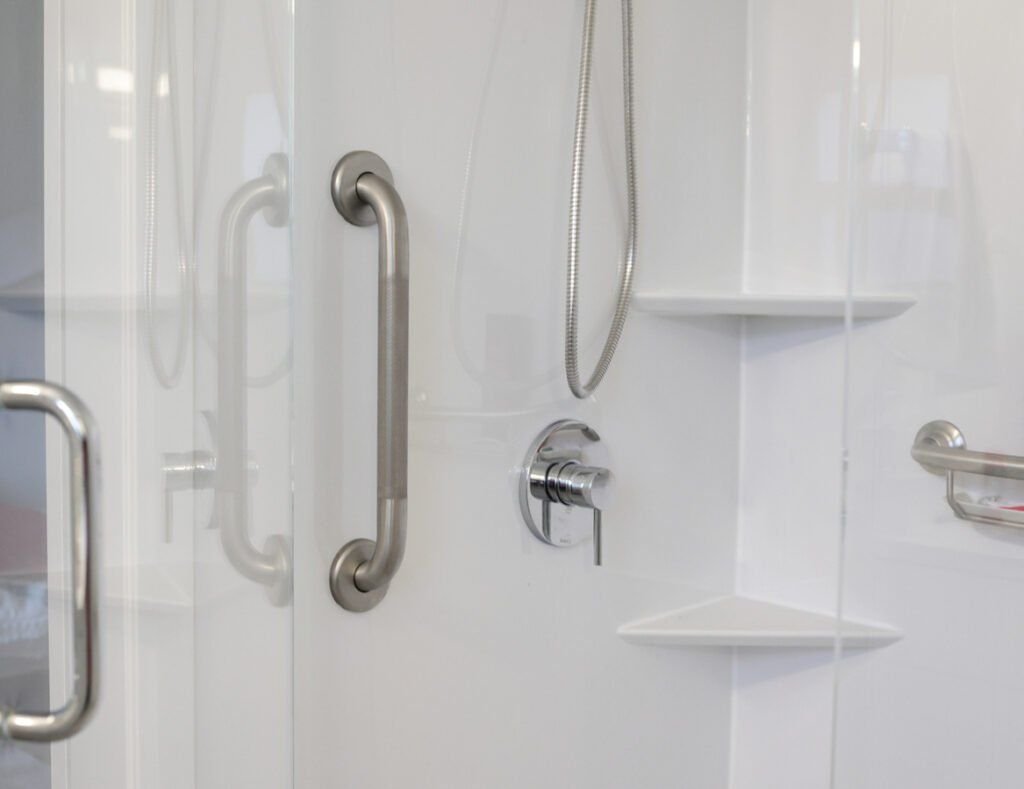
When choosing where to install grab bars, focus on areas where extra stability is needed, such as beside the toilet, inside the shower, and near the bathtub. For detailed guidance on placement and installation, consult this expert guide to grab bar installation locations.
Toilet Safety Rails and Raised Seats
Getting on and off the toilet can be challenging for those with limited strength or balance. Toilet safety rails and raised seats offer sturdy handholds and reduce the distance needed to sit or stand. These products are easy to install and can make a significant difference in daily comfort and safety.

Pairing toilet safety rails with other bathroom upgrades, such as non-slip mats and improved lighting, can create a much safer environment. For more comprehensive advice on adapting bathrooms for all ages, see these bathroom safety solutions for multigenerational homes.
Lighting and Visibility Upgrades
Poor lighting is a common contributor to household accidents. Seniors often need brighter, more evenly distributed light to see obstacles and navigate safely. Consider these upgrades:
- Install night lights in hallways, bedrooms, and bathrooms
- Use motion-activated lights for hands-free illumination
- Replace dim bulbs with higher-lumen, energy-efficient LEDs
- Ensure light switches are easy to reach and operate
Improving visibility is a simple yet powerful way to reduce the risk of tripping or misjudging distances, especially at night or during low-light conditions.
Decluttering and Furniture Arrangement
Tripping hazards such as loose rugs, cords, and cluttered walkways are easily overlooked but can lead to serious falls. Take these steps to create safer pathways:
- Remove or secure area rugs and mats
- Keep electrical cords and cables out of walking areas
- Arrange furniture to allow wide, clear paths
- Store frequently used items within easy reach
Regularly reviewing the home for new hazards and making adjustments as needs change is key to ongoing safety. For a broader look at creating a secure environment, explore tips on building a safer bathroom for aging adults and other living spaces.
Smart Home Features and Assistive Technology
Modern technology offers additional support for seniors who want to remain independent. Smart home devices can automate lighting, alert caregivers in case of a fall, and even remind users to take medication. Some popular options include:
- Voice-activated assistants for hands-free control
- Wearable fall detection devices
- Automated door locks and security systems
- Remote monitoring tools for caregivers
To learn more about how technology can support mobility and safety, read about smart home features that support senior mobility.
Frequently Asked Questions
What are the most effective ways to prevent falls at home?
The most effective strategies include installing grab bars and handrails, improving lighting, using non-slip mats, decluttering walkways, and adding toilet safety rails. Regular exercise to maintain strength and balance also plays a crucial role.
Where should grab bars be installed for maximum safety?
Grab bars should be placed in bathrooms near the toilet, inside and just outside the shower or bathtub, and along stairways and hallways. Proper installation is essential for stability and support. For more details, see this guide to grab bar placement.
How can technology help reduce fall risks for seniors?
Technology such as motion-activated lights, wearable fall detectors, and smart home systems can provide additional safety and peace of mind. These devices can alert caregivers, automate home functions, and support independent living.
Are there simple modifications that can be done without professional help?
Yes, many changes such as adding non-slip mats, rearranging furniture, improving lighting, and installing some types of grab bars or safety rails can be done as DIY projects. However, for structural modifications or electrical work, professional assistance is recommended.