
Choosing the right type of shower can make a significant impact on comfort, accessibility, and long-term usability in your bathroom. Many homeowners and caregivers want to understand the difference between walk-in and roll-in showers to ensure their space meets both current and future needs. While both options are popular for their modern look and accessibility, there are key distinctions in design, safety, and functionality that set them apart.
This article will break down the main contrasts between these two shower types, highlight their advantages, and help you decide which is best for your home or care environment. We’ll also touch on important considerations like safety features, installation, and maintenance. For those interested in related topics, understanding walk-in shower grab bar weight ratings can further enhance bathroom safety and usability.
Understanding Walk-In Showers
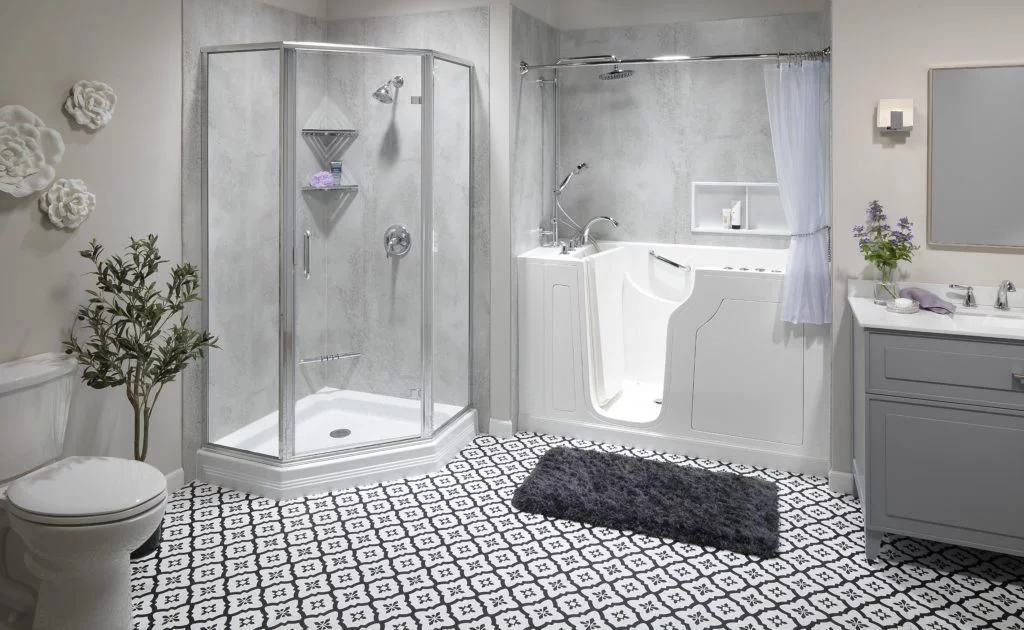
Walk-in showers are a popular choice in modern bathrooms, offering a sleek, open design that eliminates the need for a traditional bathtub. These showers typically feature a low threshold or curb, making it easier to step in and out compared to standard tubs. The entry point is usually a few inches high, which helps contain water but still provides easier access than a full bathtub wall.
Key features of walk-in showers include:
- Low curb entry (usually 3–6 inches high)
- Open or glass-enclosed design
- Customizable layouts and sizes
- Option to add built-in seating or grab bars
Walk-in showers are ideal for those seeking a modern look and improved accessibility, especially for people with limited mobility who can step over a small curb. They also allow for flexible design choices, such as walk-in shower tile vs solid surface finishes, to match your style and maintenance preferences.
What Sets Roll-In Showers Apart?
Roll-in showers are specifically designed for wheelchair accessibility and are often required in ADA-compliant bathrooms. Unlike walk-in showers, roll-in models have a zero-threshold entry, meaning there is no curb or step at all. This design allows a wheelchair or mobility aid to roll directly into the shower area without obstruction.
Distinctive characteristics of roll-in showers include:
- Completely level entry (no curb or threshold)
- Spacious interior for maneuvering a wheelchair
- Slip-resistant flooring and strategically placed grab bars
- Often equipped with fold-down seats and handheld showerheads
Roll-in showers are essential for users who rely on wheelchairs or walkers, providing true barrier-free access. They are commonly found in accessible homes, senior living facilities, and public accommodations.
Comparing Accessibility and Safety
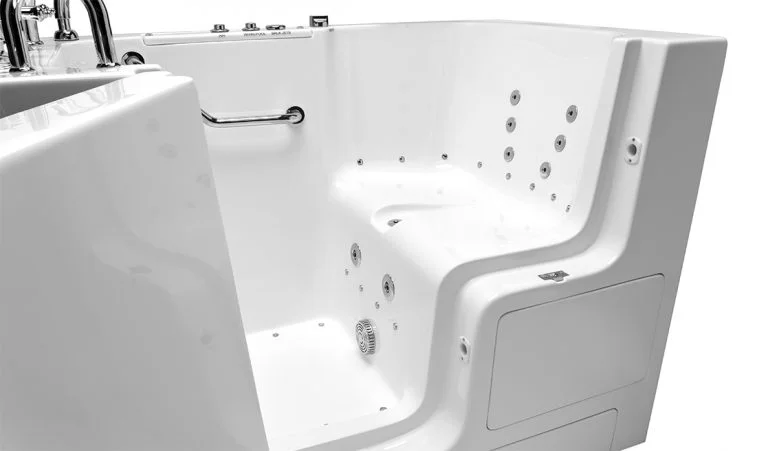
When evaluating the difference between walk-in and roll-in showers, accessibility and safety are top priorities. Walk-in showers are a significant improvement over traditional tubs, but they still have a small step that can pose a challenge for some users. Roll-in showers, on the other hand, offer true zero-barrier access, making them the best option for wheelchair users or anyone who cannot step over a curb.
Both types can be equipped with safety features such as:
- Grab bars (see more about walk-in shower grab bar weight ratings)
- Non-slip flooring
- Built-in or fold-down seating
- Handheld showerheads for flexible use
For seniors or those with limited mobility, these features can greatly reduce the risk of slips and falls. If you are planning a bathroom remodel for aging in place, it’s important to assess both the current and future needs of the user.
Design and Installation Differences
The installation process and design flexibility also differ between these two shower types. Walk-in showers are easier to retrofit into existing bathrooms, as they require less structural modification. They can be installed in place of a standard tub or as a custom enclosure, making them a popular choice for renovations.
Roll-in showers, due to their zero-threshold entry, often require more extensive remodeling. The bathroom floor must be leveled with the shower base, and adequate space is needed for wheelchair maneuverability. This can involve lowering the shower pan, adjusting plumbing, and ensuring proper drainage to prevent water from spilling into the rest of the bathroom. For more on keeping your bathroom dry and safe, check out walk-in shower ventilation requirements.
Maintenance and Cleaning Considerations
Both walk-in and roll-in showers are designed for easy cleaning, but there are some differences to note. Walk-in showers with a curb may be slightly easier to keep water contained, reducing the risk of leaks. Roll-in showers, with their open entry, require careful attention to drainage and waterproofing to avoid water spreading onto the bathroom floor.
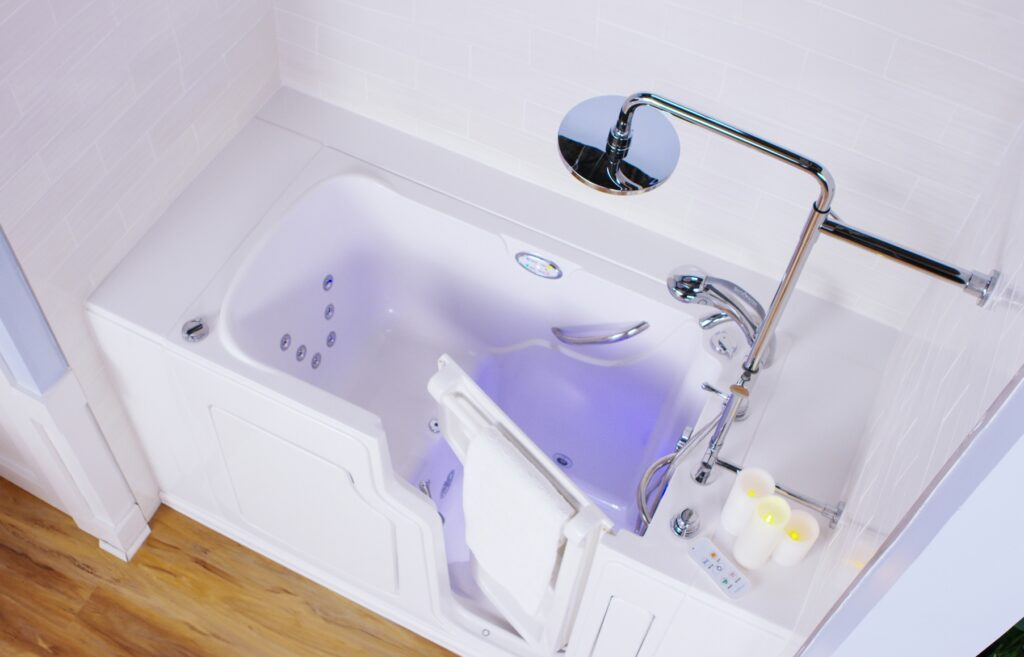
Regular cleaning of non-slip surfaces and proper ventilation are important for both types to prevent mold and mildew. For maintenance tips, understanding how to fix a leaking walk-in tub door can be helpful, especially if your bathroom includes a combination tub and shower unit.
Cost and Value Comparison
The investment required for each shower type can vary. Walk-in showers are generally less expensive to install, especially if you are converting an existing tub space. Roll-in showers, due to the need for structural changes and ADA-compliant features, tend to have higher upfront costs. However, for those who require full accessibility, the value and independence provided by a roll-in shower are often well worth the expense.
When budgeting, consider not only the installation but also the long-term benefits in terms of safety, accessibility, and home value. For seniors or those planning to age in place, this comprehensive guide to walk-in showers for seniors offers additional insights into making the right choice.
Which Shower Is Best for Your Needs?
Deciding between a walk-in and a roll-in shower comes down to your unique requirements. If you or a loved one uses a wheelchair or has significant mobility challenges, a roll-in shower provides the safest and most accessible solution. For those who can manage a low step, a walk-in shower offers a modern look with improved accessibility over traditional tubs.
Consider the following when making your decision:
- Current and future mobility needs
- Available bathroom space
- Budget for installation and remodeling
- Required safety features
- Personal design preferences
Consulting with a bathroom remodeling professional or occupational therapist can help you assess which option will best support your lifestyle and safety goals.
Frequently Asked Questions
What is the main difference between walk-in and roll-in showers?
The primary distinction is the entry design. Walk-in showers have a low curb or threshold, while roll-in showers offer a completely level, barrier-free entry suitable for wheelchairs.
Are roll-in showers required to be ADA compliant?
Yes, roll-in showers are designed to meet ADA standards, featuring zero-threshold entry, ample space for maneuvering, and accessible controls. This makes them ideal for public facilities and homes where full accessibility is needed.
Can a walk-in shower be converted to a roll-in shower?
In many cases, a walk-in shower can be remodeled into a roll-in shower, but this often involves significant changes to the floor structure and drainage. Consulting a professional is recommended to ensure proper installation and compliance with accessibility standards.
Which shower type is easier to maintain?
Both types are designed for easy cleaning, but walk-in showers with a curb may contain water more effectively. Roll-in showers require careful attention to drainage and waterproofing to prevent leaks.
Do both shower types support grab bars and seating?
Yes, both walk-in and roll-in showers can be equipped with grab bars, built-in or fold-down seating, and other safety features to enhance accessibility and comfort.