
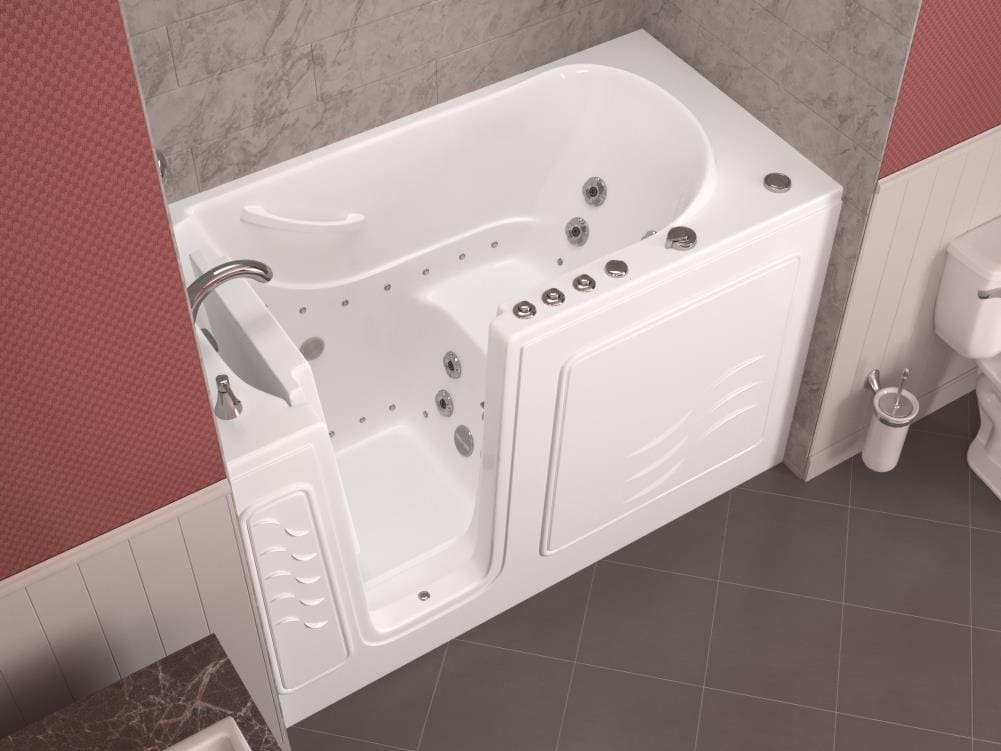
Recovering from surgery at home comes with unique challenges, especially when it comes to maintaining personal hygiene safely and comfortably. Traditional bathtubs and standard showers can pose risks for those with limited mobility, pain, or balance issues after an operation. Walk-in showers offer a practical solution, providing a safer and more accessible bathing environment that supports the healing process.
This article explores the benefits of walk-in showers for post-surgery recovery, including how these features can help reduce the risk of falls, enhance independence, and promote overall well-being. Whether you’re planning a bathroom remodel or simply seeking ways to make your home more recovery-friendly, understanding the advantages of these accessible showers is essential.
For those interested in maximizing safety, it’s also important to consider walk-in shower grab bar weight ratings to ensure proper support during recovery. These details can make a significant difference in the overall safety and usability of your bathroom.
Why Accessibility Matters After Surgery
After surgery, many people experience reduced mobility, muscle weakness, or difficulty with balance. Navigating a traditional bathtub or a shower with a high threshold can increase the risk of slips and falls, which may lead to further injury or delayed healing. Accessible bathroom features, such as walk-in showers, are designed to minimize these hazards and make daily routines more manageable for those in recovery.
- Low or No Threshold Entry: Walk-in showers typically have a very low step or are completely level with the floor, making it easier to enter and exit without lifting your legs high or risking a trip.
- Non-Slip Flooring: Many walk-in showers come with textured surfaces that help prevent slipping, even when the floor is wet.
- Space for Mobility Aids: The open design allows for the use of shower chairs, stools, or even wheelchairs, which is especially helpful for those who cannot stand for long periods.
Key Benefits of Walk-In Showers for Post-Surgery Recovery
Choosing a walk-in shower can offer several important advantages during the healing process at home. Let’s look at the most significant benefits of walk-in showers for post-surgery recovery and how they can support a safer, more comfortable experience.
Enhanced Safety and Fall Prevention
One of the most critical reasons to consider a walk-in shower after surgery is the reduction in fall risk. The low entry threshold eliminates the need to step over a high tub wall, which can be difficult and dangerous for those with limited mobility or balance issues. Combined with non-slip surfaces and the option to add grab bars, these showers create a safer environment for bathing independently or with assistance.
For more details on the differences between walk-in showers and other accessible options, you may find the difference between walk-in showers and wet rooms explained in this guide helpful.
Improved Comfort and Ease of Use
Comfort is a top priority during recovery. Walk-in showers are designed with user-friendly features such as adjustable showerheads, built-in seating, and wide entryways. These elements make it easier for individuals to bathe without straining or risking discomfort. The ability to use a shower chair or bench is especially beneficial for those who tire easily or need to keep weight off certain parts of the body.

Support for Independence and Dignity
Maintaining independence is important for emotional well-being during recovery. Walk-in showers allow many individuals to bathe on their own or with minimal assistance, preserving privacy and dignity. The open design and accessibility features can help reduce the need for a caregiver’s constant presence, fostering a sense of autonomy as healing progresses.
Easy Cleaning and Maintenance
After surgery, energy and mobility may be limited, making household chores more challenging. Walk-in showers are generally easier to clean than traditional tubs, thanks to their simple design and lack of hard-to-reach corners. This not only saves time and effort but also helps maintain a hygienic environment, which is crucial for preventing infections during recovery.
Customizable Features for Recovery Needs
Another advantage of walk-in showers is their adaptability. Many models offer customizable features that cater specifically to post-surgery needs:
- Grab Bars: Strategically placed grab bars provide extra support for standing, sitting, or moving in and out of the shower. Learn more about walk-in shower grab bar weight ratings to ensure you choose the right hardware for your needs.
- Built-In Seating: Integrated benches or fold-down seats allow users to rest while bathing, reducing fatigue and the risk of falls.
- Handheld Showerheads: Adjustable showerheads make it easier to direct water where it’s needed, allowing for gentle cleaning of sensitive areas.
- Anti-Scald Valves: These safety features prevent sudden changes in water temperature, protecting healing skin from burns.
Comparing Walk-In Showers to Other Accessible Bathing Solutions
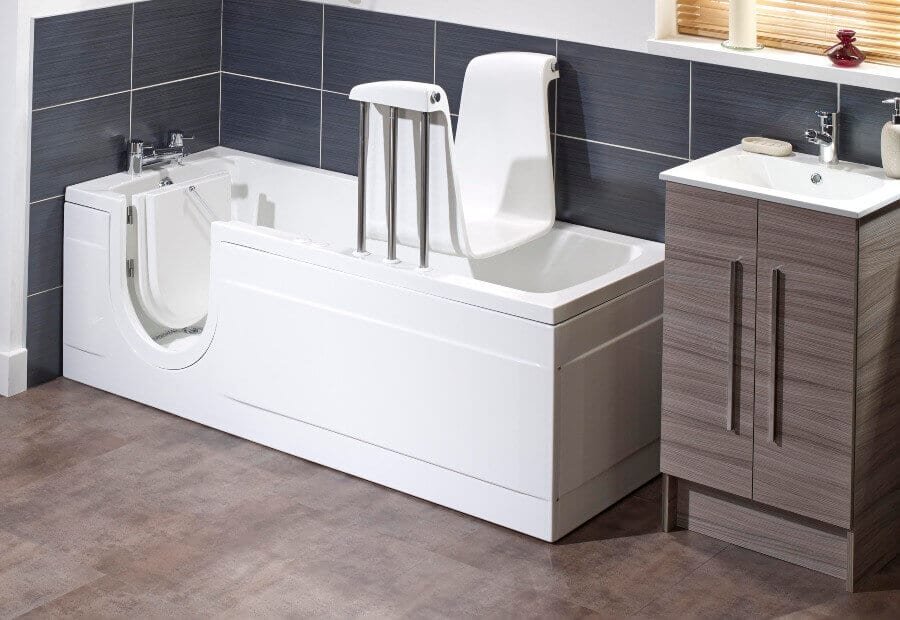
While walk-in showers are a popular choice for post-surgery recovery, they are not the only option. Walk-in tubs, wet rooms, and traditional showers with added safety features are also available. Each has its own pros and cons, depending on the user’s mobility, preferences, and bathroom layout.
For those with a smaller frame or specific needs, you may want to explore how to choose a walk-in tub for a small person to find the best fit. Additionally, understanding walk-in tub frame construction types can help you make an informed decision about durability and support.
Walk-in showers tend to be more accessible for wheelchair users and those who prefer a quick, easy bathing experience. Walk-in tubs, on the other hand, may be better for those who benefit from soaking or hydrotherapy. Wet rooms offer a fully open, barrier-free space but may require more extensive remodeling.
Additional Considerations for a Safe Recovery
When planning a bathroom for post-surgery recovery, it’s important to look beyond just the shower itself. Consider the following tips to further enhance safety and comfort:
- Install adequate lighting to prevent trips and falls.
- Use non-slip mats both inside and outside the shower area.
- Keep essential items within easy reach to avoid unnecessary bending or stretching.
- Consider automatic shut-off features, such as walk-in tub safety sensor functions, for added peace of mind.
For more information on how these features can help with aging in place and recovery, see this in-depth guide to how walk-in showers support aging in place.
Frequently Asked Questions
Are walk-in showers suitable for all types of post-surgery recovery?
Most walk-in showers are designed to accommodate a wide range of mobility needs, making them suitable for many types of post-surgery recovery. However, it’s important to consult with your healthcare provider or occupational therapist to ensure the design meets your specific requirements.
What safety features should I look for in a walk-in shower?
Key safety features include a low or zero-threshold entry, non-slip flooring, sturdy grab bars, built-in seating, and a handheld showerhead. Anti-scald valves and easy-to-reach controls also enhance safety and usability during recovery.
How do walk-in showers compare to walk-in tubs for recovery?
Walk-in showers generally provide easier access for those with limited mobility or who use wheelchairs. Walk-in tubs may be better for individuals who benefit from soaking or hydrotherapy. The best choice depends on your personal needs, bathroom space, and the type of surgery you’ve had.
Can walk-in showers be installed in small bathrooms?
Yes, many walk-in shower models are designed to fit compact spaces. Customizable options and corner installations can help maximize available room while still providing the accessibility and safety features needed for recovery.
In summary, walk-in showers offer a range of practical advantages for those recovering from surgery at home. By prioritizing safety, accessibility, and comfort, these solutions can help speed up the healing process and support greater independence during a challenging time.