Living with chronic pain or ongoing health conditions can make daily routines, like bathing and toileting, much more challenging. The bathroom, with its hard surfaces and frequent moisture, is often the most hazardous room in the house for those managing mobility issues, arthritis, neurological disorders, or other long-term health concerns. Making thoughtful bathroom modifications for chronic conditions can significantly improve safety, comfort, and independence for people of all ages.
This guide explores practical solutions and essential upgrades that can help transform a standard bathroom into a safer, more accessible space. Whether you are planning for yourself, a loved one, or a client, understanding the available options is the first step toward a more supportive home environment.
For a broader look at home upgrades that support aging and mobility, see the aging in place home improvement checklist for more ideas.
Why Accessible Bathrooms Matter for Chronic Health Needs
Bathrooms present unique risks for individuals dealing with chronic pain, limited mobility, or conditions like arthritis, multiple sclerosis, Parkinson’s disease, and balance disorders. Slippery floors, high tub walls, and low toilets can all contribute to falls or make self-care difficult. Adapting the bathroom with accessibility upgrades not only reduces the risk of injury but also supports dignity and autonomy.
Even small changes—like installing grab bars or using non-slip mats—can make a big difference. More extensive renovations, such as walk-in showers or raised toilets, may be necessary for those with significant mobility challenges.
Key Bathroom Modifications for Chronic Conditions
There are many ways to tailor a bathroom to better meet the needs of someone living with chronic pain or a long-term health issue. Below are some of the most effective and commonly recommended modifications:
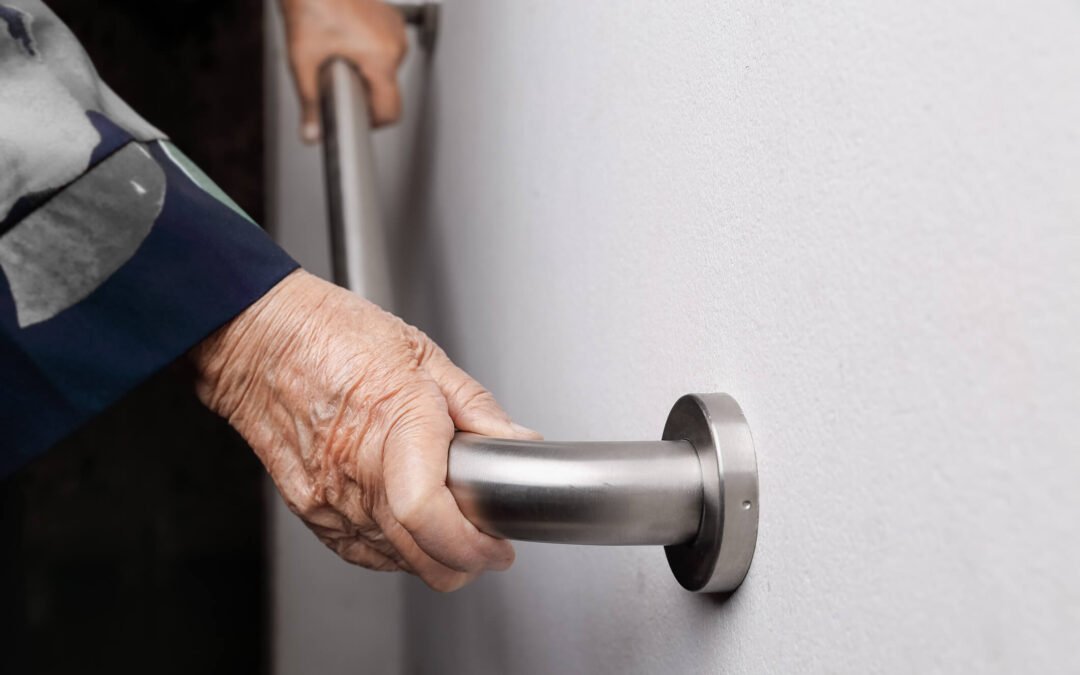
Grab Bars and Handrails: Essential for Support
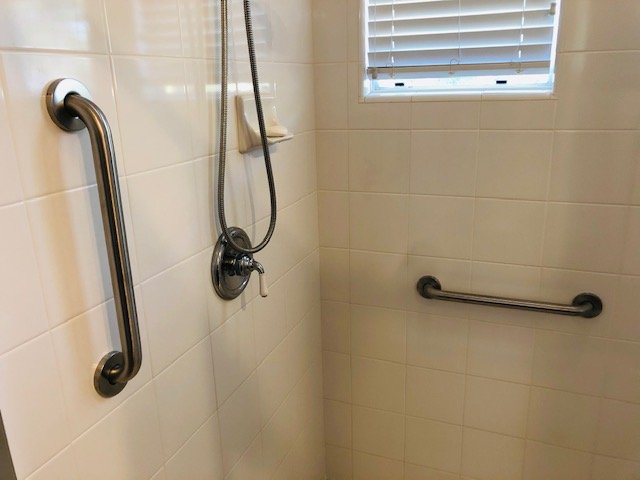
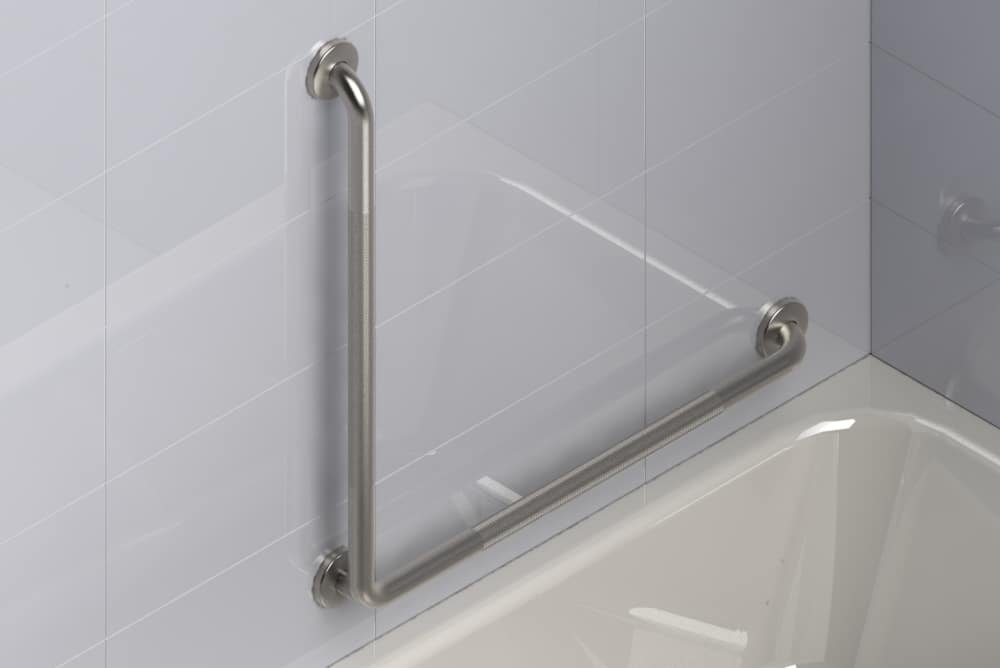
Sturdy grab bars provide critical support for getting in and out of the shower or tub, sitting and standing from the toilet, and maintaining balance on slippery floors. They are available in various lengths and finishes to match any décor, and can be installed vertically, horizontally, or at an angle depending on the user’s needs.
According to experts in fall prevention, grab bars are one of the most effective ways to reduce the risk of bathroom injuries, especially for seniors and those with chronic health issues.
Shower and Tub Modifications for Pain Relief
Traditional bathtubs can be difficult to step into and out of, especially for those with joint pain or muscle weakness. Consider these alternatives:
- Walk-in showers with low or no threshold, allowing easy entry with a walker or wheelchair.
- Built-in or portable shower seats to reduce fatigue and the risk of slipping.
- Handheld showerheads for flexible, comfortable bathing while seated.
- Non-slip flooring or mats to prevent falls.
For more ideas on adapting bathrooms for all ages and abilities, explore bathroom safety solutions for multigenerational homes.
Toilet Upgrades for Easier Transfers
Low toilets can be difficult to use for those with limited strength or chronic pain. Installing a comfort-height toilet (which is a few inches taller than standard models) or adding a raised seat attachment can make sitting and standing less strenuous. Toilet safety rails or frames offer additional support and stability, especially for people with balance or coordination issues.
Sink and Vanity Adjustments for Accessibility
For those who use wheelchairs or have trouble standing for long periods, standard vanities may be too high or lack knee clearance. Consider:
- Wall-mounted sinks with open space below for seated access.
- Single-lever or touchless faucets for easier operation with limited hand strength.
- Lowered mirrors and shelves for improved visibility and reach.
Simple changes to the sink area can help maintain independence and reduce strain during daily routines.
Lighting, Flooring, and Other Safety Enhancements
Beyond the major fixtures, several smaller upgrades can make a bathroom safer and more comfortable for those with chronic conditions:
- Bright, glare-free lighting to improve visibility and reduce the risk of falls.
- Non-slip flooring or mats, especially near the tub, shower, and sink.
- Lever-style door handles instead of knobs for easier gripping.
- Accessible storage at reachable heights to minimize bending or stretching.
- Contrasting colors for grab bars and fixtures to help those with low vision.
For a deeper dive into accessible design, see bathroom accessibility upgrades that make a difference.
Planning and Implementing Bathroom Upgrades
When considering bathroom modifications for chronic conditions, start by assessing the current space and identifying the most pressing challenges. Consulting with an occupational therapist or certified aging-in-place specialist can help prioritize changes based on specific health needs and mobility levels.
Some upgrades, like adding grab bars or non-slip mats, are simple DIY projects. Others, such as converting a tub to a walk-in shower or installing a wall-mounted sink, may require professional installation. Always ensure that any modifications meet local building codes and safety standards.
For easy, budget-friendly ideas, check out easy home modifications for elderly safety.
Frequently Asked Questions
What are the most important bathroom changes for someone with chronic pain?
The most effective changes typically include installing grab bars, using non-slip mats, raising the toilet seat, and ensuring easy access to the shower or tub. These upgrades help reduce strain and prevent falls.
Can I install grab bars myself, or do I need a professional?
Some grab bars are designed for DIY installation, but for maximum safety, it’s best to have them professionally installed into wall studs or with proper anchors. This ensures they can support the necessary weight during transfers.
How can I make a bathroom safer for someone with limited mobility?
In addition to grab bars and raised toilets, consider walk-in showers, shower seats, handheld showerheads, lever-style handles, and bright lighting. Removing tripping hazards and keeping essentials within easy reach also helps.
Are there affordable options for bathroom accessibility?
Yes, many modifications—such as non-slip mats, portable shower seats, and raised toilet seats—are budget-friendly and easy to install. Prioritize the most urgent needs and upgrade over time as resources allow.
Thoughtful bathroom modifications for chronic conditions can make a significant difference in daily comfort and safety. By addressing the unique needs of those living with pain or mobility limitations, it’s possible to create a space that supports independence and peace of mind for years to come.