
Creating a safe, comfortable, and accessible living environment is essential for older adults who wish to remain independent in their homes. As people age, their needs change, and so should their living spaces. Implementing senior focused home renovation strategies can help reduce fall risks, improve mobility, and enhance overall quality of life. This article explores practical approaches to home modifications, from simple upgrades to more comprehensive changes, all designed to support aging in place.
Whether you are planning for your own future or helping a loved one, understanding which improvements make the biggest impact is key. For a comprehensive checklist of essential upgrades, refer to the aging in place home improvement checklist for seniors. This resource can help you prioritize projects and ensure nothing important is overlooked.

Why Prioritize Accessibility and Safety?
Falls are one of the leading causes of injury among older adults. Many accidents happen at home, often due to hazards that can be easily addressed with thoughtful renovations. By focusing on home upgrades for seniors, families can create a living space that minimizes risks and supports independence. These improvements not only protect physical health but also provide peace of mind for both seniors and their caregivers.
Common challenges include limited mobility, reduced vision, and balance issues. Addressing these concerns through targeted modifications can make daily activities easier and safer. The goal is to ensure that every area of the home—from entryways to bathrooms—is accessible and user-friendly.
Key Senior Friendly Home Renovation Approaches
When planning renovations, it’s important to consider both immediate needs and future requirements. Here are some effective strategies that have proven to make a real difference:
- Eliminate tripping hazards: Remove loose rugs, repair uneven flooring, and secure electrical cords out of walkways.
- Improve lighting: Install brighter bulbs, add motion-sensor lights in hallways, and ensure switches are easy to reach.
- Widen doorways: Accommodate walkers or wheelchairs by expanding door frames where possible.
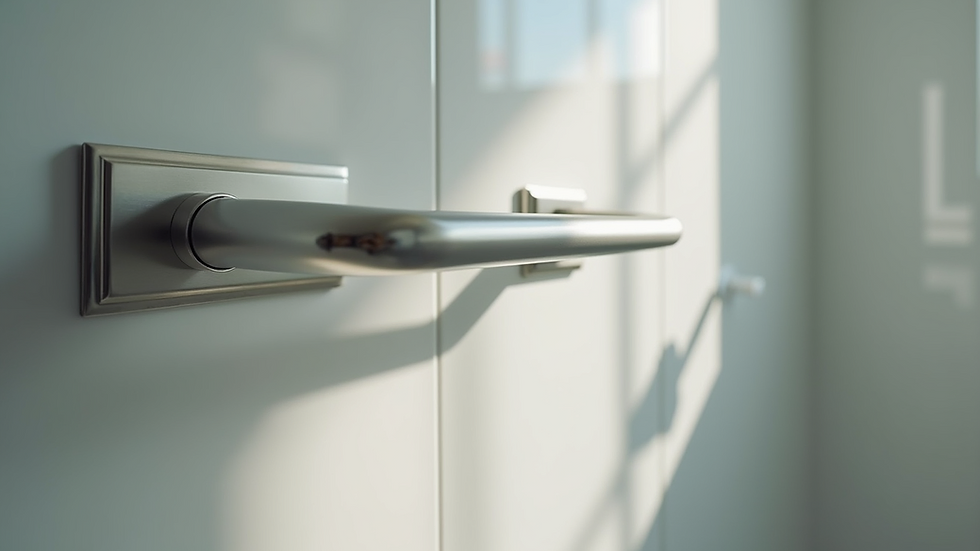
- Install lever-style handles: Replace round doorknobs and faucets with levers that are easier to operate for those with arthritis or limited grip strength.
- Adjust countertop heights: Lower or raise counters to suit the user’s mobility needs, especially in kitchens and bathrooms.
For more ideas on simple changes that can make a big impact, check out these easy home modifications for elderly safety and comfort.
Bathroom Upgrades: Essential for Senior Safety
The bathroom is one of the most hazardous areas in any home, especially for older adults. Slippery surfaces, tight spaces, and awkward layouts can increase the risk of falls. Implementing senior focused home renovation strategies in the bathroom is crucial for safety and confidence.
Some of the most effective bathroom modifications include:
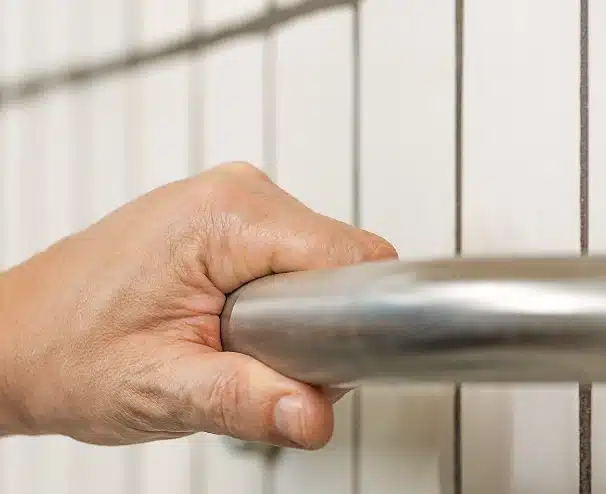
- Grab bars: Install sturdy bars near the toilet, shower, and bathtub to provide support when standing or sitting. For guidance on placement, see this guide to installing grab bars in the bathroom.
- Non-slip flooring: Replace smooth tiles with textured, slip-resistant options.
- Walk-in showers: Remove high tub walls and opt for curbless showers with built-in seating.
- Handheld showerheads: Make bathing easier and safer by installing adjustable, easy-to-reach showerheads.
- Raised toilet seats and safety rails: Increase comfort and stability for those with limited mobility.
For more detailed solutions, explore bathroom safety solutions for multigenerational homes and bathroom accessibility upgrades that make a difference.
Smart Home Technology for Aging in Place
Modern technology can play a significant role in supporting seniors at home. Smart devices and automation offer convenience, security, and peace of mind. Consider these upgrades as part of your senior focused home renovation strategies:
- Voice-activated assistants: Devices like smart speakers can control lights, thermostats, and appliances with simple voice commands.
- Video doorbells and security cameras: Enhance safety by allowing residents to see and communicate with visitors without opening the door.
- Automated lighting and blinds: Schedule lights and window coverings to adjust automatically, reducing the need for manual operation.
- Medical alert systems: Wearable devices can provide immediate assistance in case of a fall or emergency.
For more on integrating technology, review smart home features that support senior mobility.
Planning and Budgeting for Home Modifications
Before starting any renovation project, it’s important to assess the current state of the home and identify priority areas. Consulting with occupational therapists, contractors experienced in accessibility, or using a detailed checklist can help guide decisions. Consider the following steps:
- Assess needs: Walk through the home and note any obstacles or hazards.
- Set priorities: Focus on areas that present the greatest risk or inconvenience.
- Research solutions: Look for products and designs that address specific challenges.
- Plan the budget: Determine what can be accomplished with available resources and explore financial assistance programs if needed.
- Hire professionals: For major changes, work with contractors who understand accessibility standards and best practices.
Many modifications, such as adding grab bars or improving lighting, are relatively low-cost and can be completed quickly. Larger projects, like bathroom remodels or installing ramps, may require more investment but offer lasting benefits.
Frequently Asked Questions
What are the most important home modifications for seniors?
The most impactful changes include installing grab bars in bathrooms, improving lighting throughout the home, removing tripping hazards, and ensuring doorways are wide enough for mobility aids. These upgrades significantly reduce fall risks and make daily activities safer.
How can I make a bathroom safer for an older adult?
Key improvements involve adding non-slip flooring, placing grab bars near the toilet and shower, using a raised toilet seat, and considering a walk-in shower with a built-in bench. For specific advice, refer to guides on where to install grab bars.
Are smart home devices helpful for seniors living independently?
Yes, smart home technology can greatly enhance safety and convenience. Devices like voice-activated assistants, automated lighting, and medical alert systems support independent living and provide reassurance for both seniors and their families.
By following these proven approaches and staying informed about the latest solutions, families can create a home environment that supports aging in place with dignity and confidence. Thoughtful planning and the right modifications make all the difference in maintaining independence and well-being for years to come.