
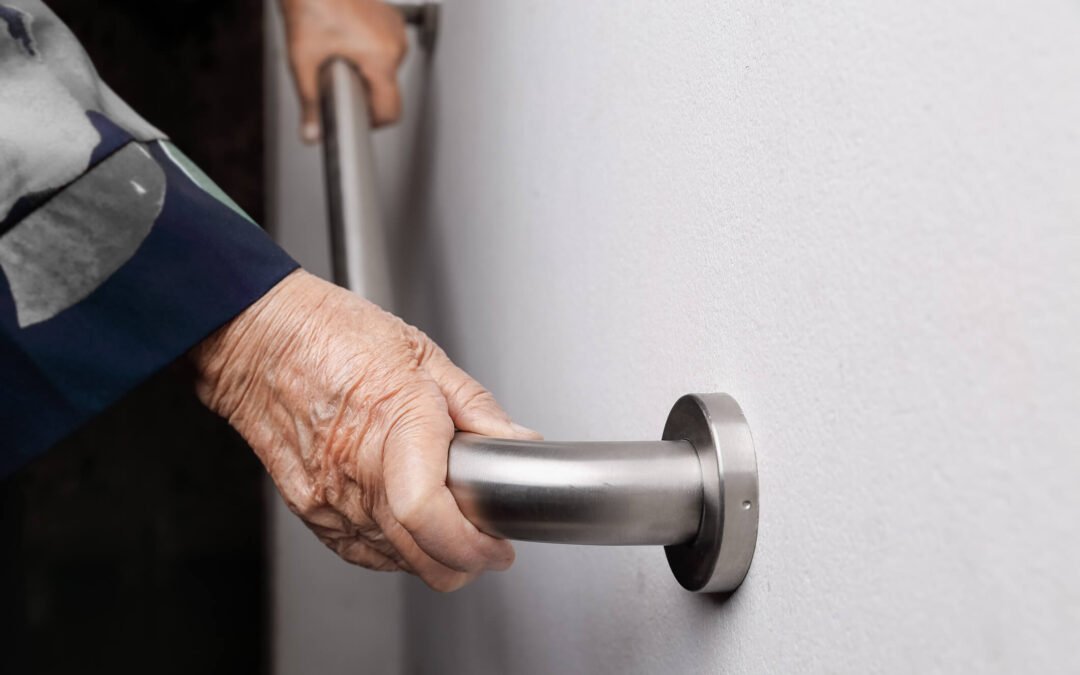
Maintaining autonomy at home is a top priority for many older adults. As people age, the home environment can present new challenges, but thoughtful design changes can make a significant difference. Senior independence through accessible design focuses on creating spaces that are safe, comfortable, and easy to navigate—empowering individuals to remain self-reliant and confident in their daily routines.
From simple modifications to more comprehensive upgrades, there are practical ways to support aging in place. This guide explores essential strategies, product recommendations, and expert tips to help transform any living space into a supportive, accessible environment for seniors.
For a comprehensive checklist of upgrades, the aging in place home improvement checklist offers actionable steps to assess and improve home safety and accessibility.
Why Accessible Design Matters for Senior Living
Accessible design is about more than aesthetics—it’s about functionality and dignity. As mobility, vision, or strength changes with age, the risk of falls and injuries increases. By integrating accessible design features, families can reduce hazards and help seniors maintain their independence longer.
Key benefits include:
- Enhanced safety—reducing the risk of slips, trips, and falls.
- Greater comfort—making daily activities easier and less tiring.
- Increased confidence—allowing seniors to move freely and manage personal care without constant assistance.
Simple changes, such as adding grab bars or improving lighting, can have a profound impact on quality of life. For households with multiple generations, accessible upgrades also benefit everyone, not just older adults. To learn more about solutions for shared spaces, see bathroom safety solutions for multigenerational homes.
Bathroom Upgrades for Greater Independence
The bathroom is one of the most critical areas to address when considering senior independence through accessible design. Slippery surfaces, tight spaces, and awkward layouts can make this room especially hazardous. Fortunately, several modifications can dramatically improve safety and usability.
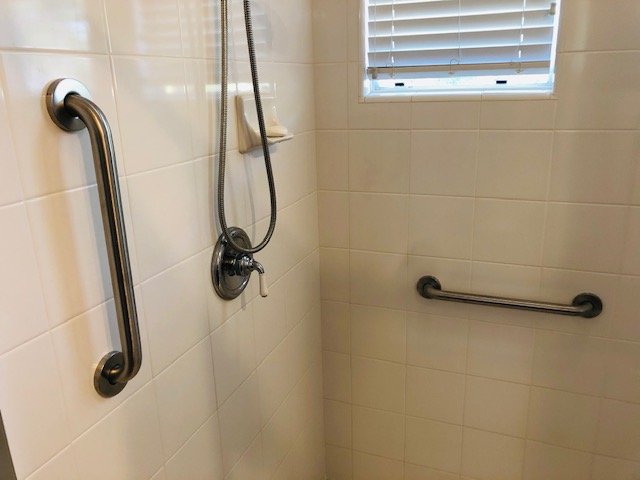
- Grab Bars: Installing sturdy grab bars near the toilet, shower, and bathtub provides reliable support. According to experts, grab bars are essential for preventing falls in the bathroom and offer peace of mind for both seniors and caregivers.
- Non-Slip Flooring: Replacing slick tiles with textured, slip-resistant surfaces helps prevent accidents.
- Walk-In Showers: Removing barriers and opting for a curbless shower design makes entry and exit easier for those with limited mobility.
- Raised Toilet Seats and Safety Rails: These additions make sitting and standing less strenuous and more secure.
For more ideas on making bathrooms safer and more accessible, refer to bathroom accessibility upgrades that make a difference.
Accessible Design Strategies for the Whole Home
While bathrooms are a priority, accessible design for seniors should extend throughout the entire home. Here are some effective strategies for other key areas:
- Widen Doorways: Expanding narrow doorways accommodates walkers and wheelchairs, making movement between rooms easier.
- Lever-Style Handles: Replacing round doorknobs and faucet handles with levers makes them easier to operate for those with arthritis or limited grip strength.
- Improved Lighting: Bright, even lighting in hallways, staircases, and entryways reduces the risk of trips and falls.
- Zero-Threshold Entries: Removing steps at entrances and between rooms eliminates tripping hazards and improves accessibility for all mobility levels.
- Accessible Storage: Lowering shelves and using pull-out drawers ensures that everyday items are within easy reach.
For a broader look at simple, effective upgrades, see easy home modifications for elderly safety.
Technology and Smart Home Features for Aging in Place
Modern technology plays a growing role in supporting senior independence through accessible design. Smart home devices can automate tasks, enhance security, and provide peace of mind for both seniors and their families.
- Voice-Activated Assistants: Devices like smart speakers allow users to control lights, thermostats, and appliances hands-free.
- Automated Lighting: Motion-activated lights illuminate pathways at night, reducing the risk of falls.
- Remote Monitoring: Smart sensors and cameras enable caregivers to check in remotely, ensuring safety without intruding on privacy.
- Medical Alert Systems: Wearable devices can summon help quickly in case of an emergency.
For more information on how technology can enhance mobility and safety, explore smart home features that support senior mobility.
Creating a Personalized Accessibility Plan
Every home and individual is unique, so it’s important to tailor accessibility solutions to specific needs and preferences. Start by assessing current challenges and prioritizing areas that pose the greatest risk. Consult with occupational therapists, contractors, or aging-in-place specialists to develop a plan that fits your budget and lifestyle.
Key steps include:
- Conduct a room-by-room safety audit.
- Identify high-risk areas, such as bathrooms, stairs, and entryways.
- Choose modifications that address immediate needs while planning for future changes.
- Involve the senior in decision-making to ensure comfort and satisfaction.
Remember, even small changes can make a big difference in promoting independence and well-being.
Frequently Asked Questions
What are the most important home modifications for senior safety?
Some of the most impactful changes include installing grab bars in bathrooms, improving lighting throughout the home, adding non-slip flooring, and ensuring that entryways and pathways are free of obstacles. These upgrades help reduce the risk of falls and support daily activities.
How can technology help seniors live independently?
Smart home devices, such as voice-activated assistants, automated lighting, and remote monitoring systems, make it easier for seniors to manage their environment and stay safe. Medical alert systems also provide quick access to help in emergencies, offering reassurance for both seniors and their families.
Are accessible design changes expensive?
The cost of modifications varies widely. Some solutions, like adding grab bars or swapping out doorknobs, are affordable and easy to install. Larger projects, such as renovating bathrooms or widening doorways, require a bigger investment but can be planned over time. Many communities offer grants or resources to help offset costs.
Conclusion
Empowering older adults to remain self-sufficient at home is achievable with the right approach to senior independence through accessible design. By focusing on safety, comfort, and practical upgrades, families can create supportive environments that foster confidence and well-being. Whether you’re planning for yourself or a loved one, taking proactive steps today can make all the difference for years to come.