
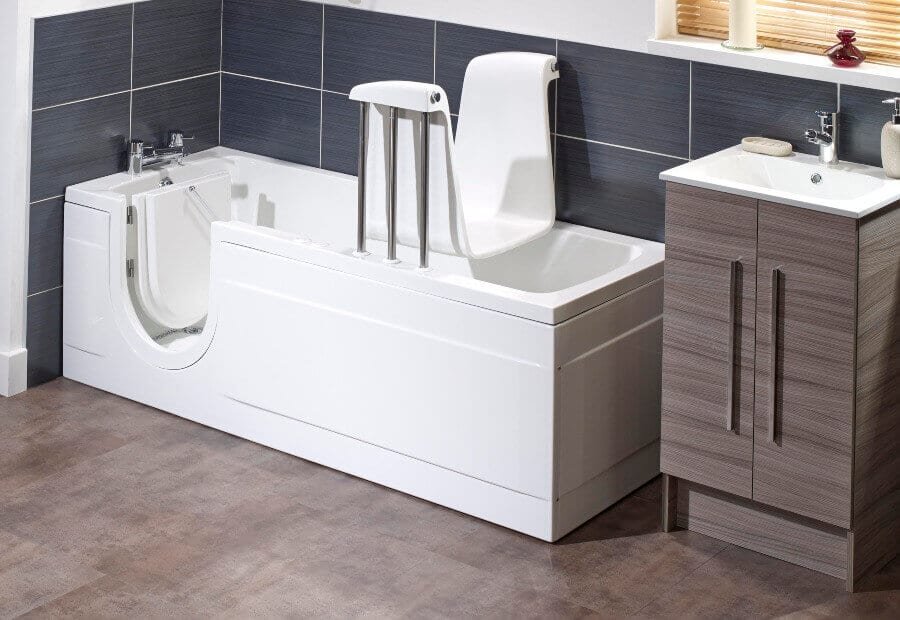
When choosing a walk-in bathtub, understanding the difference between acrylic and gelcoat walk-in tubs is essential for making an informed decision. Both materials are widely used in the bath industry, but they offer distinct advantages and drawbacks in terms of durability, maintenance, cost, and appearance. This guide provides a clear comparison to help homeowners, caregivers, and those seeking accessible bathing solutions select the best option for their needs.
Before diving into the specifics, it’s helpful to consider related aspects of walk-in tub construction and safety. For example, if you’re interested in the structural integrity of your tub, learning about walk-in tub frame construction types can provide additional context for your decision.
Understanding Acrylic and Gelcoat Materials
Walk-in tubs are typically constructed using either acrylic or gelcoat surfaces, each with its own manufacturing process and characteristics.
- Acrylic is a type of plastic that is molded into shape and reinforced with fiberglass. The result is a smooth, non-porous surface that resists stains and scratches.
- Gelcoat is a polyester resin applied over a fiberglass base. Once cured, it forms a hard, glossy finish, but the surface is more porous than acrylic and can be more susceptible to wear over time.
Knowing the composition of these materials helps clarify why they perform differently in real-world use.
Durability and Longevity: Which Material Lasts Longer?
One of the most important factors in the difference between acrylic and gelcoat walk-in tubs is durability. Acrylic tubs are generally considered more robust. Their non-porous surface resists chipping, cracking, and fading, even after years of use. This makes them a popular choice for busy households or facilities where the tub will see frequent use.
Gelcoat tubs, while sturdy, are more prone to surface scratches and can dull or discolor with time, especially if abrasive cleaners are used. However, minor surface damage can often be repaired with a gelcoat patch kit, making maintenance manageable for many homeowners.
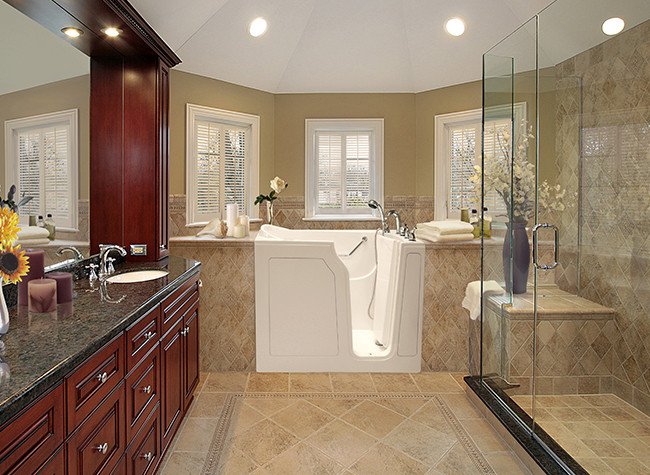
Maintenance and Cleaning Considerations
Maintenance requirements are another key aspect of the difference between acrylic and gelcoat walk-in tubs. Acrylic tubs are easy to clean thanks to their smooth, non-porous finish. Most stains can be wiped away with mild soap and water, and the surface resists mold and mildew growth.
Gelcoat tubs, on the other hand, require a bit more care. Their slightly porous surface can trap dirt and soap scum, making regular cleaning essential. Abrasive cleaners should be avoided, as they can scratch or dull the finish. For those who prefer low-maintenance solutions, acrylic may be the better choice.
Appearance and Design Options
Both acrylic and gelcoat walk-in tubs are available in a range of shapes and sizes, but there are differences in finish and color options. Acrylic tubs typically offer a high-gloss, uniform appearance and are available in a variety of colors. The manufacturing process allows for more precise molding, resulting in crisp lines and modern designs.
Gelcoat tubs usually have a slightly softer look and may show minor imperfections in the finish. Color choices are somewhat more limited, and the surface can lose its shine over time. However, gelcoat can be an attractive option for those seeking a classic or traditional look.
Cost Comparison: Upfront and Long-Term Value
Budget is often a deciding factor when comparing these two materials. Gelcoat walk-in tubs are generally less expensive upfront, making them appealing for those seeking an affordable solution. However, the lower initial price may be offset by higher maintenance costs and a shorter lifespan.
Acrylic tubs tend to cost more at the outset, but their durability and ease of care can result in lower long-term expenses. For buyers who plan to use their tub for many years, the investment in acrylic may pay off over time.
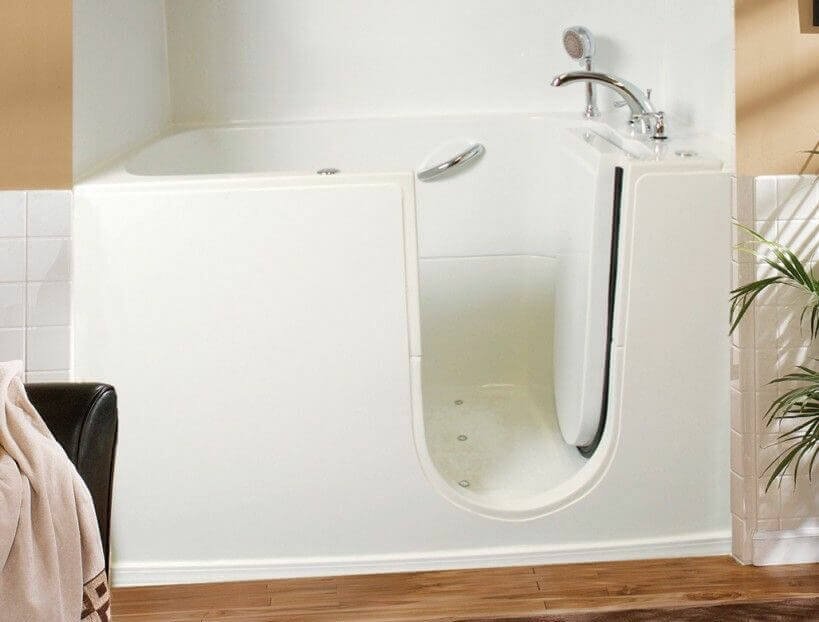
Weight, Installation, and Structural Considerations
The weight of the tub can impact installation requirements. Acrylic walk-in tubs are lighter than gelcoat models, which can make them easier to transport and install. This is especially important in homes with upper-level bathrooms or limited structural support.
Gelcoat tubs are heavier due to their fiberglass reinforcement and resin layers. While this can add stability, it may require additional floor support or professional installation. Always consult with a contractor or installer to determine the best fit for your space.
Safety and Accessibility Features
Both acrylic and gelcoat tubs can be equipped with essential safety features such as grab bars, non-slip floors, and low thresholds. For those interested in maximizing safety, reviewing resources like the walk-in tub safety certification checklist can help ensure the chosen tub meets industry standards.
It’s important to note that the material itself does not affect the availability of these features, but the quality of installation and manufacturing can influence overall safety and comfort.
Warranty and After-Sales Support
Warranty coverage is another factor to consider. Acrylic tubs often come with longer warranties due to their reputation for durability. Gelcoat tubs may have shorter or more limited coverage, reflecting their susceptibility to surface wear. For a detailed look at what to expect, see understanding walk-in tub warranty terms for insights on coverage limits and what to look for in a manufacturer’s policy.
Environmental Impact and Sustainability
For eco-conscious buyers, it’s worth noting that acrylic production is energy-intensive, but the material’s longevity can offset its environmental footprint. Gelcoat, being a resin-based product, also has environmental considerations, particularly in terms of emissions during manufacturing. Both materials can be recycled in some regions, but options may be limited depending on local facilities.
Who Should Choose Acrylic or Gelcoat Walk-In Tubs?
The best choice depends on your specific needs and priorities:
- Acrylic is ideal for those seeking a long-lasting, low-maintenance, and modern-looking tub, and who are willing to invest a bit more upfront.
- Gelcoat is suitable for budget-conscious buyers or those who prefer a traditional appearance and are comfortable with occasional maintenance.
If you’re still unsure, consulting with a professional or exploring walk-in tub options for seniors and accessibility needs can provide further guidance tailored to your situation.
Frequently Asked Questions
Which material is easier to repair if damaged?
Minor scratches or chips in gelcoat tubs can often be fixed with a patch kit, while acrylic repairs may require professional attention for seamless results. However, acrylic is less likely to suffer damage in the first place due to its resilient surface.
Do acrylic or gelcoat tubs retain heat better?
Acrylic tubs generally retain heat longer than gelcoat models, providing a more comfortable and relaxing bathing experience. This can be especially important for those who enjoy longer soaks or require warm water for therapeutic reasons. For more on comfort, see best water temperature for walk-in tubs.
How do I know which tub is right for my bathroom?
Consider your budget, desired appearance, maintenance preferences, and installation requirements. If you have concerns about weight or structural support, consult with an installer. For added safety, review walk-in shower grab bar weight ratings to ensure your bathroom setup meets your needs.
Conclusion
Understanding the difference between acrylic and gelcoat walk-in tubs empowers you to make a confident, informed choice. Acrylic offers superior durability and ease of maintenance, while gelcoat provides an affordable and classic alternative. Assess your priorities, consult with professionals as needed, and select the material that best aligns with your lifestyle and bathing requirements.