
As summer temperatures rise, older adults are especially vulnerable to heat-related health risks. Many seniors live on fixed incomes, making it difficult to afford air conditioning or pay higher utility bills during heat waves. Fortunately, a range of programs and grants exist to provide cooling assistance for elderly individuals, helping them stay safe and comfortable at home.
This guide explores the most effective ways to access cooling support, including government grants, nonprofit resources, and practical tips for seniors and caregivers. Whether you’re seeking help with utility bills, air conditioner installation, or emergency relief, understanding your options can make a significant difference in maintaining health and well-being during hot weather.
For those also interested in home safety upgrades, learning about walk-in shower grab bar weight ratings can help ensure bathrooms are as secure as possible for seniors.
Why Seniors Need Extra Cooling Support
Older adults are more susceptible to heat stress due to changes in the body’s ability to regulate temperature, chronic health conditions, and medications that can impair sweating or hydration. High temperatures can quickly lead to heat exhaustion or heat stroke, both of which are medical emergencies. For seniors living alone or with limited mobility, the risks are even greater.
Having reliable access to cooling—whether through air conditioning, fans, or community cooling centers—is essential for preventing heat-related illnesses. However, the cost of running air conditioners or purchasing new equipment can be a barrier for many on a fixed income.
Government Programs Offering Cooling Assistance for Seniors
Several federal and state programs are designed to help older adults manage the costs of cooling their homes. These initiatives can provide direct financial aid, equipment, or bill payment assistance.
Low Income Home Energy Assistance Program (LIHEAP)
LIHEAP is a federal program that helps low-income households with their energy bills. Many states offer a dedicated summer or crisis component that covers cooling costs, including air conditioning installation or repair for seniors. Eligibility is typically based on income and household size.
- Assistance may include payment of electric bills during peak summer months.
- Some states provide free or discounted air conditioners to qualifying seniors.
- Contact your local LIHEAP office or visit your state’s energy assistance website for application details.
State and Local Utility Assistance
Many utility companies and state agencies offer special programs for seniors, such as discounted rates, budget billing, or emergency relief during heat waves. These programs may be available automatically to those enrolled in Medicaid, Supplemental Security Income (SSI), or other public benefits.
Check with your local utility provider to learn about available discounts or payment plans tailored for older adults.
Nonprofit and Community-Based Cooling Resources
In addition to government programs, a variety of nonprofit organizations and community groups provide cooling assistance for elderly individuals. These resources can be especially helpful for those who may not qualify for federal aid or need additional support.
Local Charities and Senior Centers
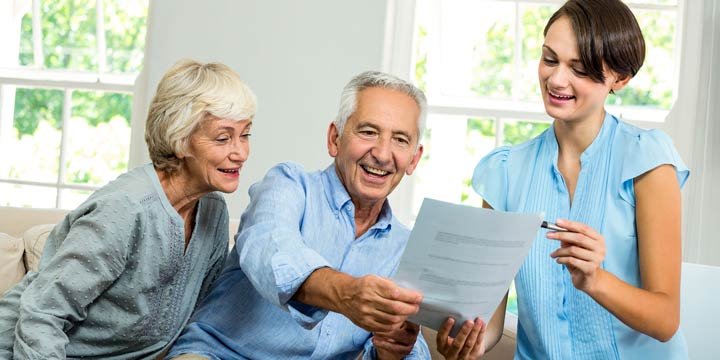
Many senior centers and local charities run fan or air conditioner donation drives each summer. These organizations may also offer transportation to cooling centers, wellness checks during heat waves, or emergency funds for utility bills.
- Contact your area Agency on Aging for a list of local resources.
- Some churches and civic groups provide direct aid to seniors in need.
Home Repair and Weatherization Grants
Weatherization programs can help seniors make their homes more energy efficient, reducing the need for excessive cooling. Improvements may include insulation, window repairs, or installation of energy-efficient air conditioning units.
For more information on home repair grants and resources, see this comprehensive guide to home repair assistance for seniors.
How to Apply for Cooling Help
The process for securing cooling assistance for elderly residents varies by program and location, but some general steps apply:
- Gather documentation such as proof of income, utility bills, and identification.
- Contact your local LIHEAP office, utility provider, or senior center to inquire about available programs.
- Complete any required applications as early as possible, as funding may be limited during peak summer months.
- Ask about emergency or crisis assistance if you are facing immediate risk due to extreme heat.
If you are also considering home upgrades for accessibility, you may want to explore topics like walk-in tub frame construction types or are walk-in tubs covered by insurance for additional support options.
Tips for Staying Cool and Safe at Home
While financial assistance can help, there are also practical steps seniors and caregivers can take to reduce heat exposure and stay comfortable:
- Use fans and keep blinds or curtains closed during the hottest part of the day.
- Stay hydrated with water and avoid caffeine or alcohol.
- Wear lightweight, light-colored clothing.
- Take cool showers or baths as needed.
- Visit public cooling centers, libraries, or malls if your home becomes too hot.
- Arrange for regular check-ins with family, friends, or neighbors during heat waves.
Frequently Asked Questions
Who qualifies for cooling assistance programs for seniors?
Eligibility typically depends on household income, age, and sometimes health conditions. Most programs prioritize low-income seniors, those with disabilities, or individuals at higher risk for heat-related illnesses. Requirements may vary by state and program.
Can seniors get help with air conditioner repairs or replacements?
Yes, some government and nonprofit programs offer assistance with repairing or replacing air conditioning units for eligible older adults. It’s important to check with local agencies or utility providers to learn about specific offerings in your area.
Are there resources for seniors who rent their homes?
Many cooling aid programs are available to renters as well as homeowners. Renters should communicate with their landlords and local agencies to determine what support is accessible, including portable air conditioners or window units.
What other home modifications can help seniors stay safe?
In addition to cooling support, consider upgrades like walk-in tubs and grab bars for bathroom safety, or weatherization improvements to keep homes comfortable year-round.
Accessing cooling assistance for elderly individuals is crucial for health and safety during hot weather. By combining government aid, nonprofit resources, and practical strategies, seniors and caregivers can better manage the challenges of extreme heat and maintain a safe, comfortable living environment.