
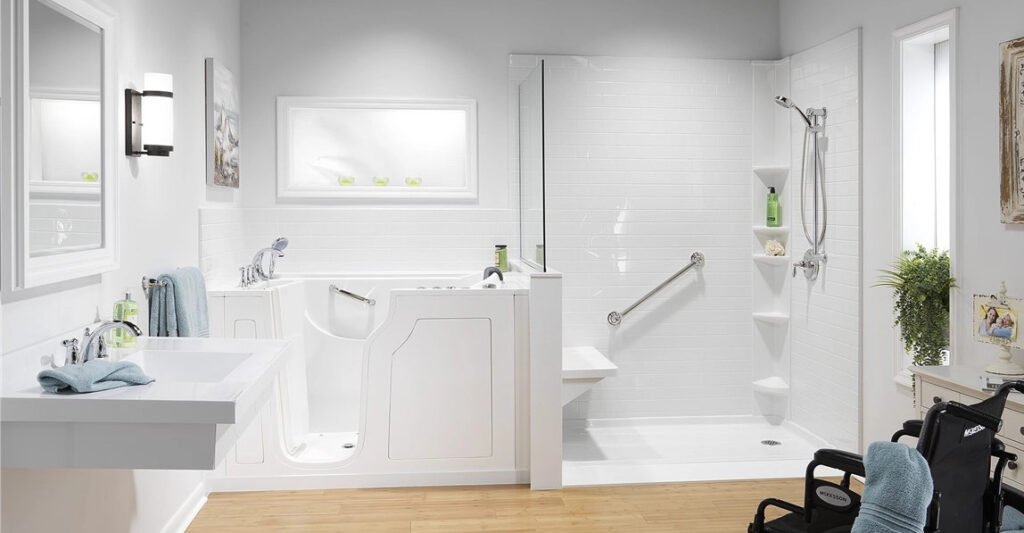
When considering a walk-in tub for your home, one of the most important features to evaluate is the step-in height. This measurement determines how easy and safe it is to enter and exit the tub, especially for individuals with mobility challenges, seniors, or anyone looking to reduce the risk of slips and falls. Understanding the nuances of step-in height can help you make an informed decision and select a model that best fits your needs.
This guide will break down what step-in height means, why it matters, and how to compare different options. We’ll also cover related safety features, installation considerations, and how to identify the best low-entry tubs for your situation. For those interested in the structural aspects of these products, you can learn more about walk-in tub frame construction types to further inform your purchase.
What Is Step-In Height and Why Does It Matter?
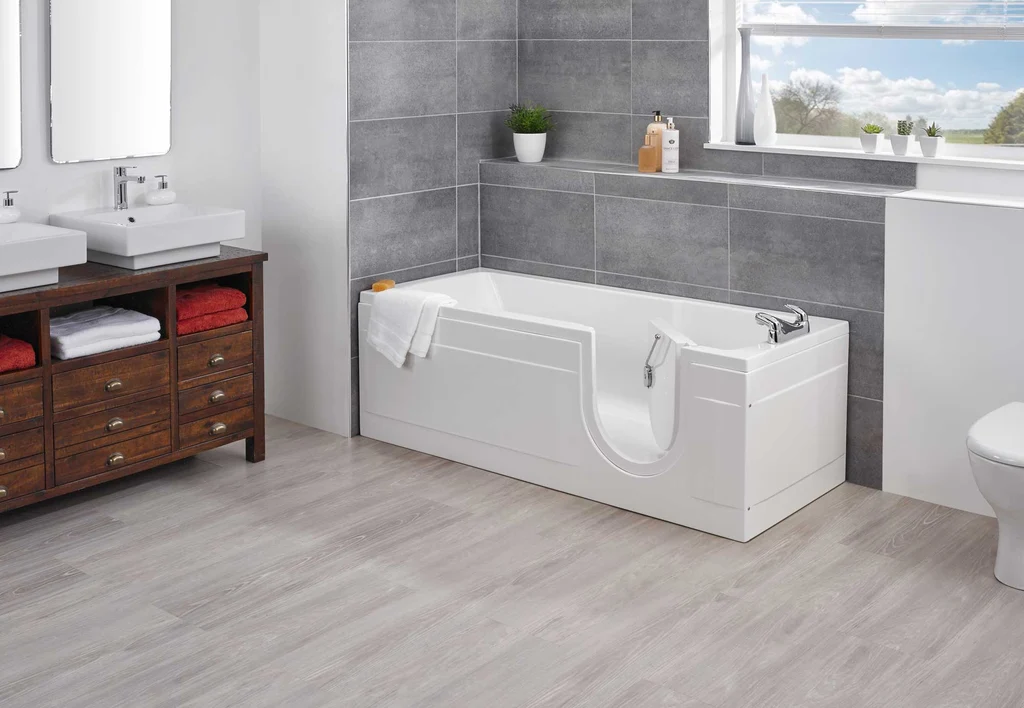
The step-in height of a walk-in tub refers to the vertical distance between the bathroom floor and the top of the tub’s entry threshold. This is the height you must lift your foot to get into the tub. Standard bathtubs often have a wall height of 14 to 20 inches, which can be difficult for those with limited mobility. In contrast, walk-in tubs are designed with much lower thresholds—typically ranging from 2 to 7 inches—making entry and exit significantly easier and safer.
Choosing a tub with a low threshold is especially important for:
- Seniors who want to maintain independence and reduce fall risk
- People recovering from surgery or injury
- Individuals with disabilities or chronic pain
Lower entry points can make daily bathing routines more comfortable and less stressful, supporting both safety and confidence in the bathroom.
Comparing Step-In Heights: What to Look For
When shopping for a walk-in tub, you’ll notice that step-in heights can vary by manufacturer and model. Some premium models offer ultra-low thresholds as low as 2 or 3 inches, while more basic models may have steps closer to 6 or 7 inches. Here’s what to keep in mind:
- Ultra-low entry (2–4 inches): Best for those with significant mobility concerns or wheelchair transfers.
- Standard low entry (4–7 inches): Suitable for most users who want a safer, easier entry than a traditional tub.
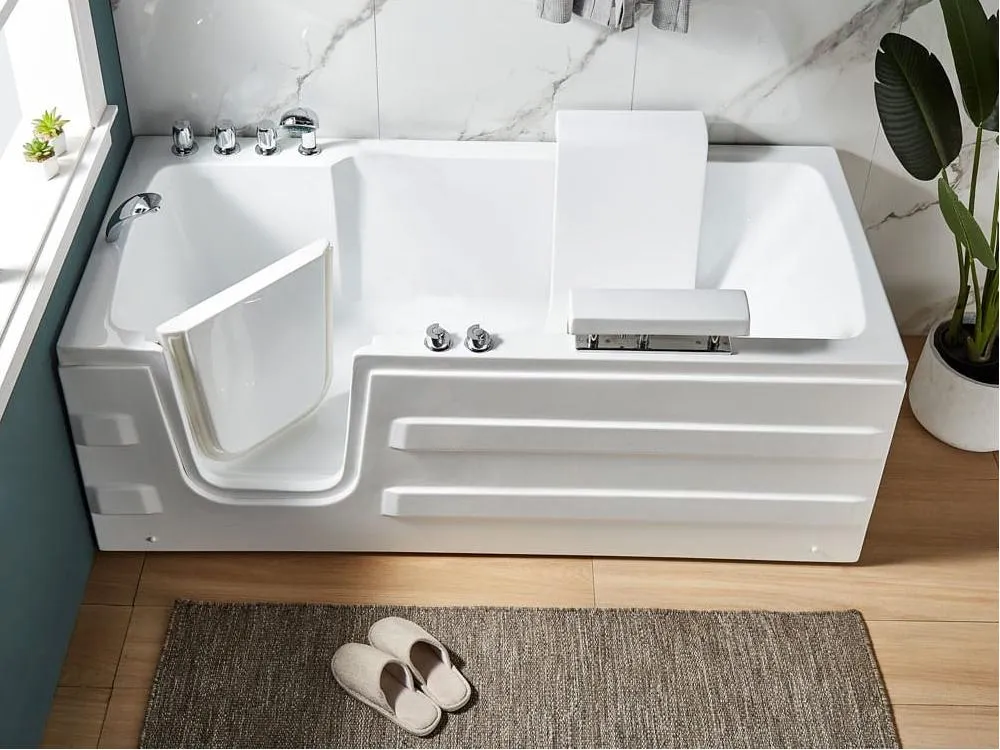
- Threshold design: Some tubs feature inward-swinging doors to keep the entry as low as possible, while others may have outward-swinging doors or additional safety steps.
It’s a good idea to measure the height you or your loved one can comfortably step over, and compare this to the specifications provided by each manufacturer.
Key Safety Features Beyond Step-In Height
While a low entry threshold is essential, it’s just one part of a safe bathing experience. Look for these additional features when evaluating walk-in tubs:
- Non-slip flooring: Textured surfaces reduce the risk of slipping when entering or exiting the tub.
- Grab bars: Integrated or add-on grab bars provide extra support. For more on this, see our guide to walk-in shower grab bar weight ratings.
- Sealed doors: Ensure the door forms a watertight seal to prevent leaks and maintain safety.
- Comfortable seating: Built-in seats allow users to bathe while sitting, reducing the need to lower themselves to the floor.
- Easy-to-reach controls: Accessible faucets and jets make operation simple for everyone.
Combining a low threshold with these features creates a safer, more accessible bathing environment.
Installation Considerations for Low-Entry Tubs
Installing a walk-in tub with a low step-in height may require some adjustments to your existing bathroom. Here are a few factors to keep in mind:
- Bathroom layout: Measure the available space to ensure the tub fits comfortably and allows for easy access.
- Plumbing: Some models may need plumbing modifications, especially if the drain location differs from your current setup.
- Floor reinforcement: Walk-in tubs are heavier than standard tubs, especially when filled with water. Check if your floor needs reinforcement.
- Door swing: Consider whether an inward or outward swinging door works best for your space and mobility needs.
Professional installation is recommended to ensure safety and proper function. For peace of mind, review the manufacturer’s warranty details—our resource on understanding walk-in tub warranty terms can help clarify what’s covered.
Benefits of Choosing a Low Threshold Tub
Opting for a walk-in tub with a minimal entry step offers several advantages:
- Enhanced safety: Lowering the entry point reduces the risk of tripping and falling.
- Greater independence: Users can bathe without assistance, preserving dignity and privacy.
- Improved comfort: Entering and exiting the tub is less physically demanding.
- Appeal for aging in place: Homeowners planning to stay in their homes as they age will find low-entry tubs a valuable long-term investment.
For those comparing bathing solutions, it’s also helpful to review the benefits of walk-in showers for elderly individuals as an alternative or complement to walk-in tubs.
How to Choose the Right Step-In Height for Your Needs
To select the best walk-in tub for your situation, consider the following steps:
- Assess mobility: Honestly evaluate your or your loved one’s ability to lift their feet and balance.
- Measure existing thresholds: Compare the step-in heights of your current tub or shower to potential replacements.
- Test in person: If possible, visit a showroom to try stepping into different tub models.
- Consult professionals: Speak with occupational therapists or aging-in-place specialists for personalized recommendations.
- Review product specs: Look for detailed measurements and safety features in manufacturer literature.
Choosing a tub with the right entry height can make a significant difference in daily comfort and safety.
FAQ: Step-In Heights and Walk-In Tub Selection
What is considered a low step-in height for a walk-in tub?
Most experts define a low threshold as 2 to 4 inches. This range is ideal for users with limited mobility or those who want the safest possible entry. Standard walk-in tubs may have thresholds up to 7 inches, but lower is generally better for accessibility.
Are there trade-offs with ultra-low entry tubs?
Ultra-low entry models may have slightly more complex door mechanisms or require more precise installation. However, the safety benefits usually outweigh these considerations, especially for those at higher risk of falls.
Can I retrofit my existing bathroom for a low-threshold walk-in tub?
In many cases, yes. Most walk-in tubs are designed to fit into standard bathtub spaces, but you may need plumbing adjustments or floor reinforcement. Professional installation is recommended to ensure a secure, watertight fit and optimal safety.
Summary: Making the Right Choice for Accessibility
Understanding the step-in height of walk-in tubs is crucial for anyone seeking a safer, more accessible bathing solution. By focusing on low thresholds, evaluating additional safety features, and considering installation needs, you can find a tub that supports independence and comfort for years to come. For further insights into fast-draining features, see our article on walk-in tub fast drain technology explained, or learn how to test a walk-in tub door seal for leaks and gaps to ensure your new tub performs as expected.