
Adapting a home for someone with limited mobility can make a significant difference in safety, independence, and quality of life. Whether you are planning for yourself, a loved one, or a client, understanding the most effective ways to improve accessibility is essential. This article offers practical advice, expert recommendations, and actionable steps to help you create a safer, more comfortable living environment.
From simple adjustments to more extensive renovations, there are a variety of solutions to address mobility challenges. We’ll explore key areas of the home, essential products, and professional resources to guide your decision-making process. For a comprehensive approach, you may also find the aging in place home improvement checklist helpful as you plan your project.

Why Accessibility Matters in Every Room
Mobility limitations can affect people of all ages due to injury, illness, or aging. Making thoughtful home modifications for limited mobility helps reduce the risk of falls, improves daily comfort, and supports independent living. Even small changes can have a big impact, such as installing grab bars or removing trip hazards.
It’s important to assess each room individually, considering the unique challenges and needs of the resident. While some solutions are universal, others may require customization based on mobility aids, personal routines, or medical advice.
Key Areas for Home Modifications
When evaluating a home for accessibility, focus on the following high-impact areas:
- Entrances and Exits: Ensure there are step-free entries, sturdy handrails, and ramps where needed.
- Hallways and Doorways: Widen narrow doorways to accommodate wheelchairs or walkers, and keep hallways clear of obstacles.
- Bathrooms: This is one of the most critical spaces for safety upgrades. Consider walk-in showers, non-slip flooring, and support bars.
- Kitchens: Lower countertops and accessible storage can make meal prep easier for those with limited reach or standing ability.
- Bedrooms: Adjustable beds, bedside grab bars, and clear pathways support safe movement at night.
For more ideas on adapting living spaces, see our guide to easy home modifications for elderly safety.
Essential Products for Safer Living
There are a range of products designed to support those with mobility challenges. Here are some of the most effective:
- Grab Bars: Install in bathrooms, hallways, and near stairs for added support. For a detailed overview, the room-by-room guide to grab bars offers expert placement tips.
- Toilet Safety Rails: Provide stability for sitting and standing in the bathroom.
- Shower Chairs and Benches: Allow safe bathing without standing for long periods.
- Non-Slip Mats: Place in bathrooms and kitchens to prevent slips.
- Lever-Style Door Handles: Easier to use than traditional knobs, especially for those with arthritis or limited hand strength.
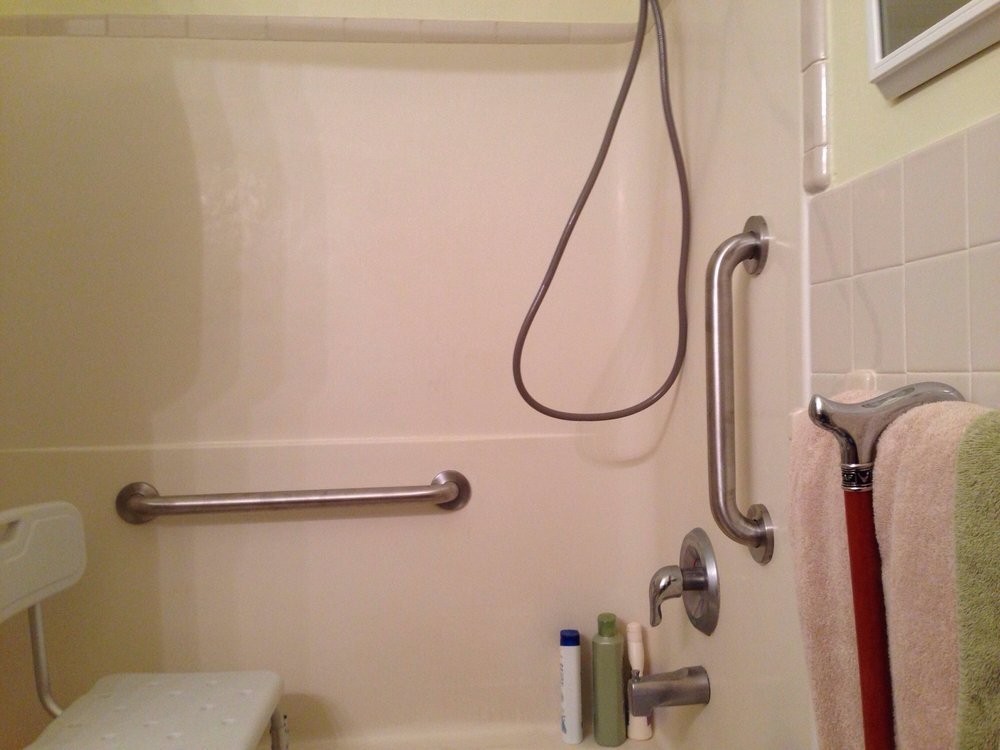
Expert Advice for Bathroom Accessibility
The bathroom is often the most hazardous room for those with mobility issues. Prioritizing bathroom safety solutions can prevent accidents and promote independence. Key recommendations include:
- Install grab bars near the toilet and in the shower or tub area.
- Use a raised toilet seat or toilet safety rails for easier transfers.
- Opt for a walk-in shower with a handheld showerhead and a sturdy bench.
- Ensure all surfaces are non-slip and keep toiletries within easy reach.
For more in-depth strategies, visit our article on bathroom safety solutions for multigenerational homes.

Smart Technology and Modern Solutions
Advancements in technology have made it easier to create accessible homes. Smart home features such as voice-activated lighting, automated door openers, and remote-controlled thermostats can greatly enhance comfort and independence for those with mobility limitations. For more information on integrating these technologies, see our article on smart home features that support senior mobility.
Other modern solutions include:
- Motion-sensor lighting in hallways and bathrooms
- Video doorbells and intercoms for easy communication
- Adjustable-height counters and sinks
Planning and Funding Your Accessibility Project
Before starting any home modifications for limited mobility, assess the current layout and identify the most urgent needs. Consulting with occupational therapists or certified aging-in-place specialists can help you prioritize changes and avoid costly mistakes.
Funding options may include insurance, government grants, or nonprofit programs. Some local agencies offer free or discounted installation of ramps, grab bars, and other accessibility aids. Always obtain multiple quotes from reputable contractors and check references before hiring.
For those considering a larger renovation, review the building a safer bathroom for aging adults guide for step-by-step planning advice.
Maintaining Safety and Comfort Over Time
Accessibility is not a one-time project. As needs change, continue to reassess the home and make updates as necessary. Regularly check that grab bars, ramps, and other safety devices remain secure and in good condition. Keep pathways clear, and update lighting to ensure visibility throughout the home.
Encourage open communication between residents, caregivers, and professionals to address new challenges as they arise. Ongoing attention to accessibility helps maintain independence and peace of mind for everyone involved.
Frequently Asked Questions
What are the most important home modifications for limited mobility?
Key changes include installing grab bars in bathrooms, adding ramps or stairlifts at entrances, widening doorways, and using non-slip flooring. These improvements address the most common areas where falls and injuries occur.
How do I choose the right grab bars and safety rails?
Select grab bars that are sturdy, rust-resistant, and professionally installed at the correct height and angle. Consider the user’s specific needs and consult with a specialist or refer to a room-by-room guide to grab bars for expert placement advice.
Can smart home technology help people with mobility challenges?
Yes, smart devices such as voice-activated assistants, automated lighting, and remote-controlled doors can make daily tasks easier and safer for those with limited mobility. These solutions can often be integrated into existing homes with minimal disruption.