
The bathroom is one of the most common places for slips and falls, especially for older adults and people with limited mobility. Wet surfaces, tight spaces, and hard flooring all contribute to the risk. By taking proactive steps and making thoughtful modifications, you can significantly reduce the likelihood of accidents and create a safer environment for everyone in your home.
Falls in the bathroom can lead to serious injuries, but many are preventable with the right strategies. This article covers practical ways to improve safety, from installing grab bars to choosing non-slip flooring. If you’re looking for a comprehensive approach to home safety, you may also find the aging in place home improvement checklist helpful for broader guidance.
Why Bathroom Falls Happen and Who’s Most at Risk
Bathrooms present unique hazards due to water, soap, and hard surfaces. Slippery floors, lack of support structures, and poor lighting are common contributors to falls. While anyone can slip, certain groups face higher risks:
- Older adults—balance and strength often decline with age.
- People with mobility challenges or chronic health conditions.
- Children, who may not recognize hazards or use caution.
- Individuals recovering from surgery or illness.
Understanding these risk factors is the first step toward making meaningful changes that support safety and independence.
Key Strategies for Preventing Falls in the Bathroom
Reducing the risk of falls requires a combination of environmental modifications and daily habits. Here are some of the most effective approaches:
Install Grab Bars for Extra Support
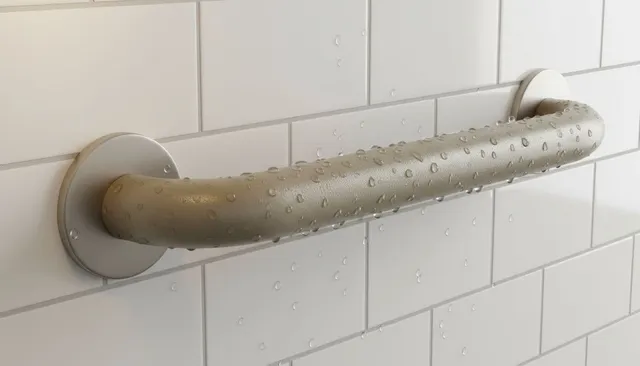
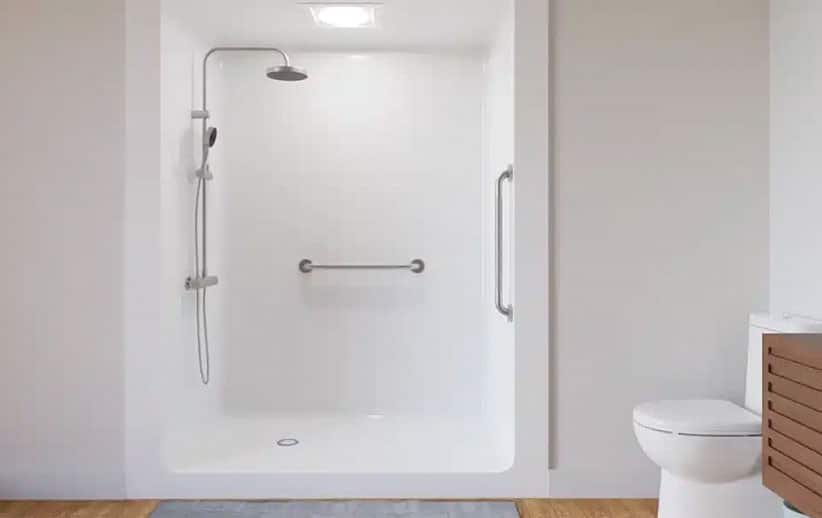
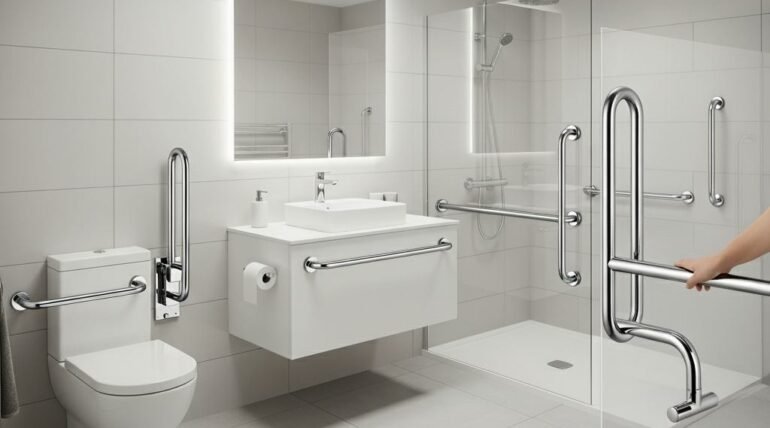
Adding sturdy grab bars near the toilet, shower, and bathtub provides essential support for standing, sitting, and moving safely. These bars should be professionally installed to ensure they can bear weight and are positioned at the right height. For a detailed overview of optimal placement, see this guide to installing grab bars in the bathroom.
Choose Non-Slip Flooring and Mats
One of the most effective ways to reduce slips is to use non-slip surfaces. Install slip-resistant tiles or add non-slip mats in the shower, tub, and near the sink. Make sure mats have rubber backing to prevent bunching or sliding. Regularly check for wear and replace mats as needed.
Improve Lighting and Visibility
Poor lighting can make it difficult to see water on the floor or obstacles in the way. Install bright, even lighting throughout the bathroom. Consider motion-sensor night lights for nighttime visits. Ensure that light switches are easy to reach from the entrance and near the toilet.
Additional Bathroom Modifications for Fall Prevention
Beyond grab bars and flooring, several other changes can make a significant difference in safety:
- Raised toilet seats—make it easier to sit and stand, reducing strain and risk of imbalance.
- Shower chairs or benches—provide a stable place to sit while bathing.
- Handheld showerheads—allow for seated bathing and easier rinsing.
- Lever-style faucets—simpler to operate for those with arthritis or grip issues.
- Remove clutter—keep pathways clear of rugs, baskets, and other tripping hazards.
For those living with family members of different ages and needs, bathroom safety solutions for multigenerational homes can offer additional ideas tailored to shared spaces.
Daily Habits That Reduce the Risk of Slips and Falls
While home modifications are crucial, daily routines also play a role in maintaining safety. Consider these habits:
- Wipe up water spills immediately to keep floors dry.
- Keep toiletries and towels within easy reach to avoid overreaching or sudden movements.
- Encourage family members to use grab bars and non-slip mats consistently.
- Wear non-slip footwear or slippers in the bathroom.
- Check that all assistive devices are in good working order and securely installed.
Consistent use of these habits, along with the right modifications, can greatly reduce the chances of accidents.
Planning for Long-Term Safety and Independence
As needs change over time, it’s important to regularly review and update bathroom safety features. Consider involving occupational therapists or home safety specialists for personalized recommendations. For those interested in a broader approach to home safety, easy home modifications for elderly safety can provide additional ideas for other areas of the house.
Smart home technology, such as voice-activated lights or emergency call systems, can also enhance safety and peace of mind. For more on integrating technology, see smart home features that support senior mobility.
FAQ: Common Questions About Bathroom Fall Prevention
What are the most important features to add for bathroom safety?
The most effective features include grab bars near the toilet and shower, non-slip mats, proper lighting, and raised toilet seats. These modifications address the most common causes of slips and falls.
How often should I check bathroom safety equipment?
Inspect grab bars, mats, and other safety devices at least once a month. Look for loose fittings, worn surfaces, or any signs of damage. Replace or repair items as needed to maintain a secure environment.
Can I install grab bars myself, or should I hire a professional?
While some grab bars are designed for DIY installation, professional installation is recommended to ensure they are securely anchored and positioned correctly. This is especially important if the user relies on them for full body support.
Is there a way to make a bathroom safer for both kids and seniors?
Yes, many safety features benefit all ages. Non-slip mats, clutter-free floors, and lever-style faucets are helpful for children and older adults alike. For more ideas, visit building a safer bathroom for aging adults for tips that can be adapted for multigenerational families.
Conclusion
Making the bathroom a safer place is a practical and worthwhile investment in health and independence. By combining thoughtful modifications with safe daily habits, you can minimize the risk of falls and create a more comfortable environment for everyone. Regularly reviewing your bathroom setup and staying informed about new safety products will help ensure ongoing protection for years to come.