
Creating a safer living environment for older adults is a top priority for many families. As loved ones age, their risk of falls and injuries increases, making it essential to address potential hazards at home. This elderly home safety improvement guide provides practical steps and proven strategies to help families make thoughtful modifications, reduce risks, and promote independence for seniors.
From simple changes like rearranging furniture to installing specialized equipment, there are many ways to enhance safety and comfort. Early planning and regular home assessments can make a significant difference, ensuring peace of mind for both seniors and their caregivers.
For families seeking a comprehensive approach, the aging in place home improvement checklist offers a detailed overview of essential upgrades and maintenance tips tailored for seniors.
Why Home Safety Matters for Older Adults
Falls are a leading cause of injury among seniors, often resulting in hospitalizations or long-term complications. Many accidents happen in familiar settings, such as the bathroom or kitchen, where slippery surfaces and clutter can pose serious risks. Addressing these issues proactively can help seniors maintain their independence and quality of life.
Families play a crucial role in identifying hazards and supporting the implementation of safety measures. By following a structured home safety improvement guide for elderly residents, you can systematically address common problem areas and adapt the home to changing needs over time.
Key Areas to Assess for Senior Safety
Conducting a thorough home assessment is the first step in any safety improvement plan. Focus on the following areas:
- Entrances and Exits: Ensure walkways are clear, well-lit, and free of tripping hazards. Consider adding ramps or handrails if needed.
- Stairways: Install sturdy railings on both sides and use non-slip treads. Keep stairs free of clutter.
- Living Areas: Arrange furniture to create wide, unobstructed pathways. Remove loose rugs and secure electrical cords.
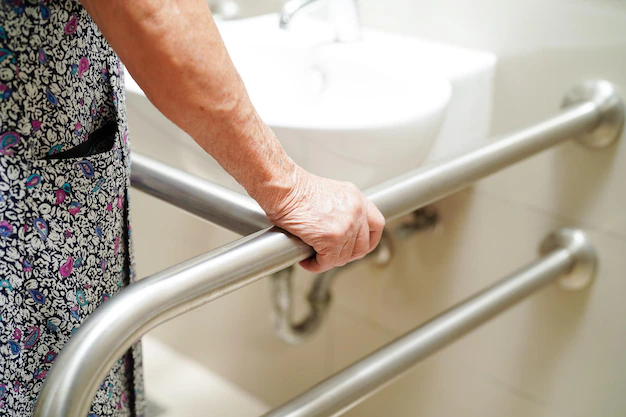
- Bathrooms: Install grab bars, non-slip mats, and raised toilet seats to prevent falls.
- Kitchens: Store frequently used items within easy reach to avoid unnecessary stretching or climbing.
Regularly reviewing these spaces and making adjustments as needed can significantly reduce the risk of accidents.
Bathroom Safety: Essential Upgrades and Equipment
The bathroom is one of the most hazardous rooms for seniors due to wet surfaces and limited mobility. Installing grab bars and safety rails is a highly effective way to prevent slips and falls. According to a comprehensive guide on bathroom grab bars for elderly safety, these simple devices can provide crucial support during transfers and daily routines.
Additional modifications to consider include:
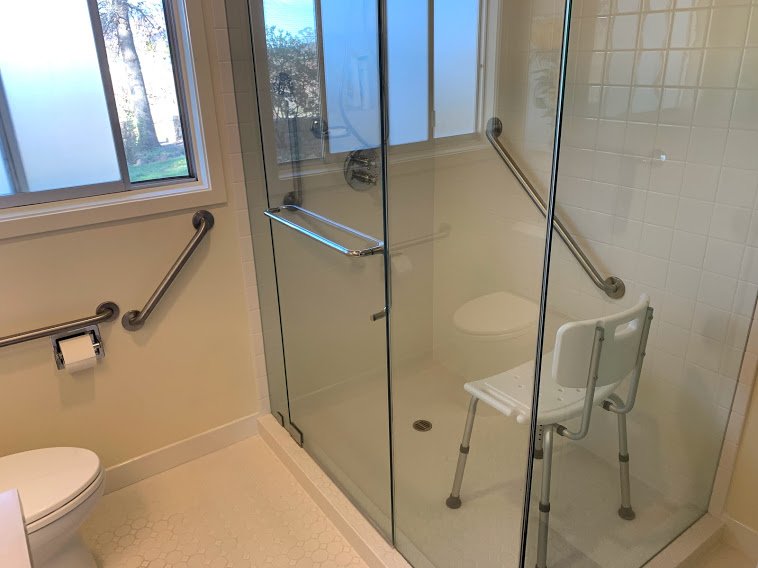
- Installing a walk-in shower or tub with a low threshold
- Adding non-slip strips to the floor and inside the shower
- Using a shower chair or bench for added stability
- Ensuring adequate lighting and easy-to-reach controls
For more ideas, explore bathroom safety solutions for multigenerational homes to see how families can adapt shared spaces for everyone’s needs.
Simple Modifications for Everyday Safety
Not all improvements require major renovations. Many families can make a big impact with a few strategic changes. Some effective options include:
- Adding nightlights in hallways and bathrooms
- Using lever-style door handles instead of knobs
- Lowering closet rods and shelves for easier access
- Securing area rugs with non-slip backing or removing them entirely
- Installing smoke and carbon monoxide detectors with loud alarms
For a list of straightforward upgrades, see the easy home modifications for elderly safety resource, which highlights cost-effective solutions that can be implemented quickly.
Assistive Devices and Smart Home Solutions
Technology can play a valuable role in supporting seniors at home. Devices such as medical alert systems, voice-activated assistants, and automated lighting can help prevent accidents and provide reassurance. Smart thermostats and security systems can also be programmed for ease of use, reducing the need for manual adjustments.
Families interested in integrating technology should review smart home features that support senior mobility for ideas on how to make daily life safer and more convenient for older adults.

Professional Assessments and Ongoing Maintenance
While many safety improvements can be done independently, some situations may benefit from a professional evaluation. Occupational therapists and certified aging-in-place specialists can provide personalized recommendations based on a senior’s unique needs and abilities. Regular checkups of installed equipment and home features are also important to ensure everything remains in good working order.
Routine maintenance should include checking for loose handrails, replacing burnt-out bulbs, and testing smoke detectors. Keeping a maintenance schedule can help families stay organized and proactive.
Supporting Independence and Quality of Life
Home modifications are not just about preventing accidents—they also support dignity, confidence, and autonomy for seniors. By involving older adults in decision-making and respecting their preferences, families can create living spaces that feel welcoming and empowering.
For those planning significant upgrades, resources like the guide to building a safer bathroom for aging adults provide step-by-step advice for more extensive renovations.
Frequently Asked Questions
What are the most important safety improvements for seniors living at home?
The most critical upgrades include installing grab bars in bathrooms, improving lighting throughout the home, securing rugs and cords, and ensuring clear, unobstructed pathways. Regularly assessing high-risk areas like stairs and bathrooms is essential for preventing falls.
How can families make a home safer for elderly relatives on a budget?
Many effective changes are low-cost, such as adding nightlights, using non-slip mats, and rearranging furniture for easier movement. Prioritizing high-impact areas and gradually making improvements can help manage costs while still enhancing safety.
Are there professional services that help with elderly home safety?
Yes, occupational therapists and certified aging-in-place specialists can assess homes and recommend tailored modifications. Some local organizations and nonprofits also offer home safety evaluations and assistance with installations.
How often should home safety be reviewed for seniors?
It’s a good idea to review the home environment at least once a year, or whenever there are changes in mobility, health, or living arrangements. Regular maintenance of installed equipment is also important to ensure ongoing safety.