
As people age, the bathroom can become one of the most challenging spaces in the home. Slippery surfaces, awkward layouts, and hard-to-reach fixtures can all contribute to increased risk of falls and injuries. Improving bathroom usability for older adults is essential for maintaining independence, comfort, and safety. With thoughtful modifications and the right equipment, it’s possible to transform a standard bathroom into a space that supports aging in place.
Many families and caregivers are searching for practical solutions to make bathrooms safer and more accessible for seniors. Whether you’re planning a full renovation or looking for simple upgrades, understanding the key principles of accessible design can help you make informed decisions. For a comprehensive approach to home safety, the aging in place home improvement checklist is a valuable resource to guide your efforts.

Why Bathroom Accessibility Matters for Seniors
The bathroom is a common site for slips and falls, especially among older adults. According to the CDC, falls are the leading cause of injury among seniors, and many of these accidents happen in the bathroom. Wet floors, low toilets, and high tub walls can all create hazards. By enhancing bathroom usability for seniors, you can help reduce these risks and support ongoing independence.
Accessible bathrooms also promote dignity and confidence. When older adults can use the bathroom with minimal assistance, it improves their quality of life and reduces the burden on caregivers. Simple changes, such as installing grab bars or raising the toilet seat, can make a significant difference.
Key Features for a Senior-Friendly Bathroom
Designing a bathroom that meets the needs of older adults involves more than just adding safety equipment. It’s about creating an environment that is easy to navigate, comfortable, and supportive of changing mobility. Here are some essential features to consider:
- Non-slip flooring: Choose materials that provide traction even when wet, such as textured tiles or slip-resistant vinyl.
- Grab bars: Properly installed grab bars near the toilet, shower, and bathtub offer crucial support. For guidance on placement, see this detailed guide to grab bar installation.
- Walk-in showers: Replacing a traditional tub with a walk-in shower eliminates the need to step over high edges.
- Handheld showerheads: These allow for easier bathing while seated or standing.
- Raised toilet seats and safety rails: Higher seats and sturdy rails make sitting and standing less strenuous.
- Accessible storage: Lower shelves and easy-to-open drawers keep essentials within reach.
Installing Grab Bars and Safety Rails
One of the most effective ways to improve bathroom safety is by adding grab bars and toilet safety rails. These supports help prevent falls and provide stability for those with limited balance or strength. When choosing grab bars, look for models that are securely anchored to wall studs and have a textured surface for better grip.
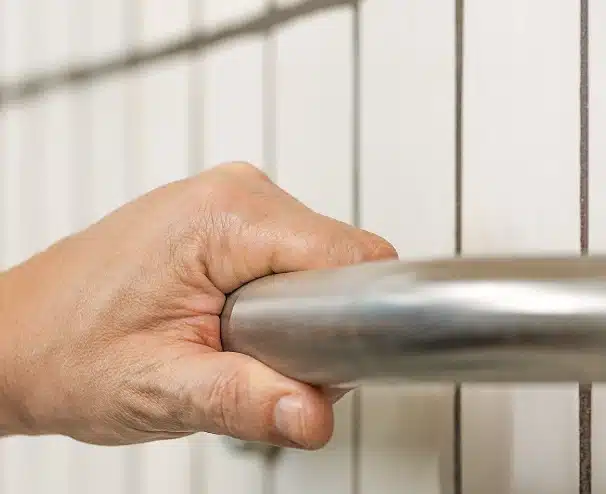
When installing grab bars, consider the following locations:
- Beside the toilet for ease of sitting and standing
- Inside the shower or tub for support while bathing
- Along the wall for general stability
Toilet safety rails can be either freestanding or attached to the toilet itself. Both options provide extra support and help prevent falls during transfers. For more ideas on making bathrooms safer for all ages, explore bathroom safety solutions for multigenerational homes.
Shower and Tub Modifications for Better Usability
Traditional bathtubs can be difficult to use for those with limited mobility. Consider replacing tubs with walk-in showers that have low or no thresholds. Adding a sturdy shower seat allows users to bathe while seated, reducing fatigue and the risk of slipping.
Handheld showerheads are another practical upgrade. They allow for flexible use, making it easier to rinse off while sitting or standing. Anti-scald valves can also be installed to prevent accidental burns from hot water.
For more inspiration on accessible upgrades, see bathroom accessibility upgrades that make a difference.
Lighting, Storage, and Other Helpful Adjustments
Good lighting is essential for safety and usability. Install bright, even lighting throughout the bathroom, especially near the shower, toilet, and sink. Motion-activated night lights can help prevent falls during nighttime visits.
Accessible storage keeps toiletries and towels within easy reach. Consider open shelving at lower heights or drawers with easy-pull handles. Lever-style faucet handles are easier to use than traditional knobs, especially for those with arthritis or limited grip strength.
Other helpful adjustments include:
- Widening doorways to accommodate walkers or wheelchairs
- Using contrasting colors to help those with vision impairments distinguish between surfaces
- Installing anti-slip mats in the shower and near the sink
Reducing Fall Risks in the Bathroom
Falls are a major concern for older adults. By addressing common hazards, you can significantly lower the risk of injury. Remove loose rugs, keep pathways clear, and ensure all surfaces are dry. For a deeper understanding of fall prevention, review understanding fall risks in older adults.
Regularly check that grab bars and safety rails remain secure. Encourage the use of non-slip footwear and keep frequently used items within arm’s reach. These small steps can make a big difference in daily safety.
Choosing the Right Products for Accessibility
When selecting products to enhance bathroom usability, prioritize quality and proper installation. Look for items that are specifically designed for accessibility and have strong customer reviews. If you’re unsure about installation, consider hiring a professional to ensure everything is secure and meets safety standards.
Some products to consider include:
- Sturdy grab bars with textured surfaces
- Adjustable toilet safety rails
- Shower chairs with non-slip feet
- Handheld showerheads with long hoses
- Raised toilet seats
For more on essential safety features, visit bathroom safety features every senior should consider.
FAQ: Common Questions About Senior Bathroom Accessibility
What are the most important bathroom modifications for older adults?
The most impactful changes include installing grab bars, using non-slip flooring, adding a raised toilet seat, and converting tubs to walk-in showers. These modifications address the most common hazards and make daily routines easier and safer.
How do I know where to place grab bars in the bathroom?
Grab bars should be placed where support is most needed: next to the toilet, inside the shower or tub, and along walls where extra stability may help. For detailed placement advice, refer to a professional guide to grab bar installation.
Are there affordable ways to improve bathroom safety for seniors?
Yes, many effective upgrades are budget-friendly. Adding non-slip mats, using a raised toilet seat, and installing basic grab bars can all be done at relatively low cost. Prioritize the changes that address the biggest risks first.
Conclusion: Creating a Safer, More Comfortable Bathroom
Making the bathroom safer and more accessible for older adults is a worthwhile investment in independence and well-being. By focusing on practical upgrades—such as grab bars, non-slip surfaces, and accessible fixtures—you can help prevent accidents and support aging in place. Start with the most urgent needs and build from there, using resources and expert advice to guide your decisions. With the right modifications, the bathroom can remain a safe, comfortable space for years to come.