
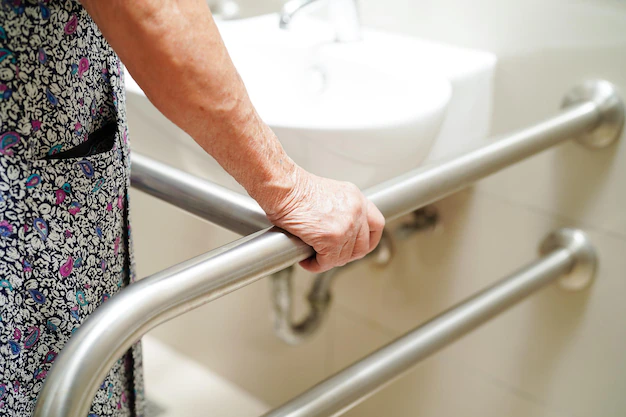
Falls are a leading cause of injury among older adults, and preventing them is a top priority for anyone caring for aging loved ones. With the right strategies and a proactive approach, caregivers can make the home environment much safer and more accessible. This article shares caregiver tips for reducing fall risks in everyday living spaces, focusing on practical changes and habits that make a real difference.
Understanding the unique needs of seniors and those with mobility challenges is key to creating a safer home. Simple modifications, regular assessments, and the use of specialized equipment can significantly lower the chances of accidents. For a comprehensive look at home modifications, see the aging in place home improvement checklist, which offers additional insights into making homes safer for seniors.
Why Fall Prevention Matters for Caregivers
Falls can result in serious injuries such as fractures, head trauma, and long-term disability. For caregivers, preventing these incidents is not just about physical safety—it also supports independence and quality of life for those they care for. By prioritizing fall prevention strategies, caregivers help reduce hospitalizations and maintain confidence in daily activities.
Many falls happen at home, often in familiar spaces like bathrooms, bedrooms, and hallways. Recognizing the most common hazards and addressing them early can make a significant difference. Regularly reviewing the home environment and adapting it as needs change is a crucial part of effective caregiving.
Assessing the Home for Hazards
One of the first steps in minimizing fall risks is conducting a thorough assessment of the living space. Look for potential dangers such as:
- Loose rugs or carpets
- Cluttered walkways
- Poor lighting, especially on stairs and in hallways
- Slippery bathroom surfaces
- Lack of sturdy handrails or grab bars
Caregivers should walk through the home with a critical eye, considering how mobility aids like walkers or canes are used. Involving the person receiving care in this process can also help identify specific challenges they face.
For more information on identifying risks, the article on understanding fall risks in older adults provides valuable context and tips.
Essential Home Modifications for Safety
Making targeted changes to the home environment is one of the most effective caregiver tips for reducing fall risks. Focus on these key areas:
Bathroom Safety Upgrades
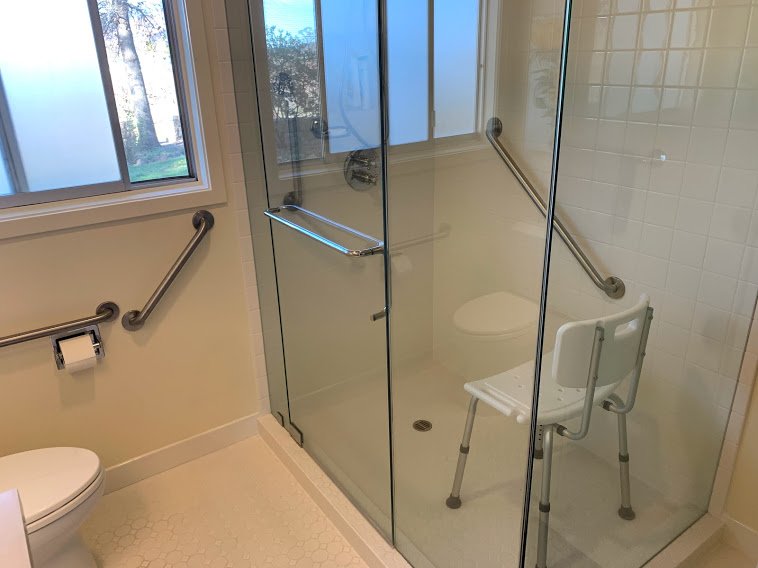
The bathroom is a high-risk area due to wet, slippery surfaces. Installing grab bars near the toilet and in the shower or tub provides essential support. Non-slip mats and raised toilet seats can also help prevent accidents. For more detailed solutions, see the guide on bathroom safety solutions for multigenerational homes.
Lighting and Visibility Improvements
Good lighting is essential for preventing trips and falls, especially at night. Install bright, energy-efficient bulbs in hallways, staircases, and entryways. Motion-activated night lights can help guide the way to the bathroom or kitchen after dark. Keep light switches within easy reach and consider adding illuminated switches for better visibility.
Flooring and Pathway Adjustments
Remove or secure loose rugs, and use non-slip mats in high-traffic areas. Ensure that all walkways are clear of clutter, cords, and furniture that could obstruct movement. If possible, rearrange furniture to create wide, accessible paths for walking aids.
Using Assistive Devices Effectively
Assistive devices play a crucial role in reducing the risk of falls. Items like grab bars, handrails, and toilet safety rails provide stability where it’s needed most. For a deeper dive into the benefits of grab bars, the comprehensive guide to bathroom grab bars for elderly safety explains their importance and how to choose the right options.

When selecting and installing these products, always follow manufacturer instructions and ensure they are securely anchored. Regularly check all equipment for signs of wear or instability. For more ideas on adapting bathrooms, explore bathroom accessibility upgrades that make a difference.
Daily Habits to Lower Fall Risks
Beyond physical changes to the home, caregivers can encourage habits that further reduce the likelihood of falls:
- Encourage wearing supportive, non-slip footwear indoors
- Remind loved ones to take their time when standing up or changing positions
- Promote regular exercise to improve strength and balance
- Ensure medications are reviewed for side effects like dizziness
- Keep frequently used items within easy reach to avoid overreaching or climbing
Building these routines into daily life supports both safety and independence. If you’re looking for more comprehensive advice, the article on bathroom safety features every senior should consider offers additional suggestions tailored to seniors’ needs.
Staying Proactive: Regular Reviews and Communication
Fall prevention is an ongoing process. As needs and abilities change, it’s important to reassess the home and update safety features. Open communication between caregivers, family members, and healthcare professionals ensures that everyone is aware of potential risks and solutions. Scheduling periodic safety checks and involving the person receiving care in decisions helps maintain a sense of control and dignity.
Frequently Asked Questions
What are the most important areas to focus on for fall prevention at home?
Bathrooms, stairs, and hallways are typically the highest risk zones. Prioritize installing grab bars, improving lighting, and removing tripping hazards in these areas. Regularly check for loose rugs, clutter, and ensure pathways are clear.
How often should caregivers reassess the home for fall risks?
It’s a good idea to review the home environment every few months or whenever there is a change in mobility, health status, or after any fall incident. Frequent assessments help catch new hazards early and keep safety measures up to date.
Are grab bars and safety rails difficult to install?
Many grab bars and safety rails are designed for easy installation, but it’s crucial to follow the manufacturer’s instructions and ensure they are securely anchored to wall studs or appropriate supports. If in doubt, consider hiring a professional for installation to guarantee safety.
By following these caregiver tips for reducing fall risks, you can create a safer, more comfortable home for your loved one. Proactive planning, regular assessments, and the right equipment all contribute to greater peace of mind and independence for seniors and those with mobility challenges.