
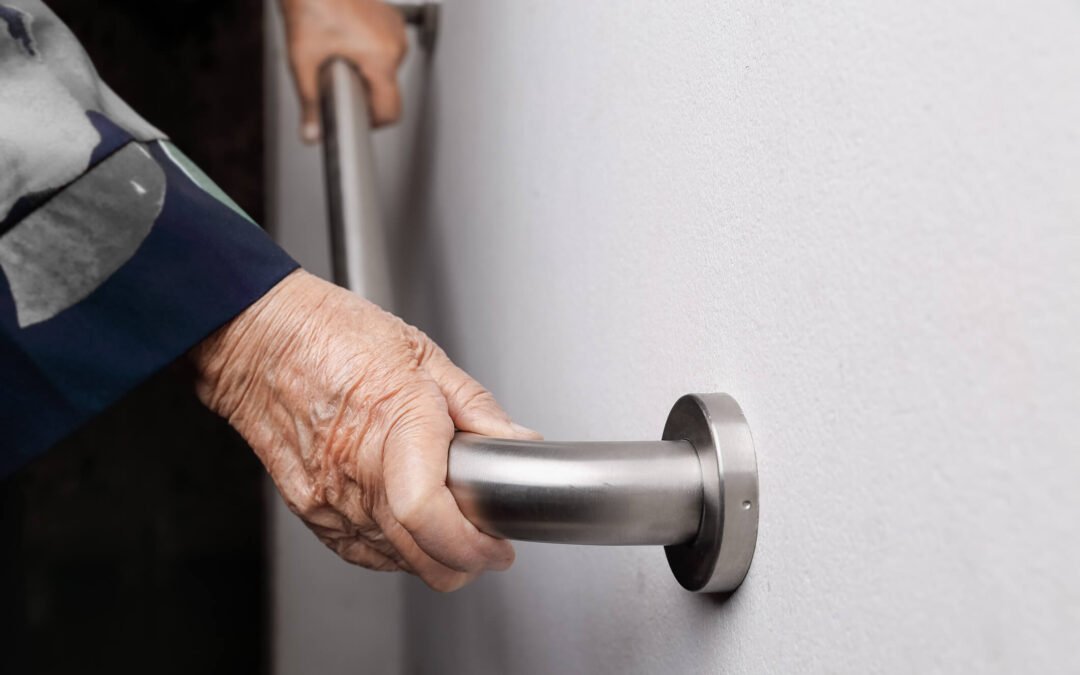
Making your home safer and more comfortable as you age is a practical step toward maintaining independence and quality of life. With thoughtful planning and the right aging in place renovation ideas, you can adapt your living space to meet changing needs without sacrificing style or comfort. This guide explores proven strategies and upgrades that help ensure your home remains accessible, secure, and welcoming for years to come.
Whether you’re considering a few simple modifications or a comprehensive remodel, focusing on accessibility and safety can make daily activities easier and reduce the risk of accidents. For a comprehensive approach, you might also find the aging in place home improvement checklist helpful as you plan your project.
Why Prioritize Home Modifications for Aging in Place?
As mobility and health needs evolve, the home environment should adapt accordingly. Renovations focused on aging in place can help prevent falls, improve accessibility, and support independent living. Simple changes, such as installing grab bars or improving lighting, can have a significant impact on safety and comfort. More extensive updates, like widening doorways or reconfiguring bathrooms, further enhance usability for people of all ages and abilities.
Many families are also considering bathroom safety solutions for multigenerational homes to ensure everyone can use the space confidently and comfortably.
Essential Aging in Place Renovation Ideas for Every Room
When planning upgrades, it’s important to address each area of the home. Here are some of the most effective modifications for key living spaces:
Entryways and Hallways: Improving Accessibility
- Zero-step entries: Eliminate steps at entrances to allow easy access for wheelchairs, walkers, or strollers.
- Wider doorways: Increase doorway width to at least 36 inches to accommodate mobility aids.
- Lever-style handles: Replace round doorknobs with lever handles for easier operation.
- Non-slip flooring: Choose slip-resistant materials for entryways and hallways to reduce fall risks.
Bathroom Upgrades for Safety and Comfort
The bathroom is one of the most critical areas for aging in place renovation ideas. Slippery surfaces and tight spaces can increase the risk of falls, so targeted improvements are essential.
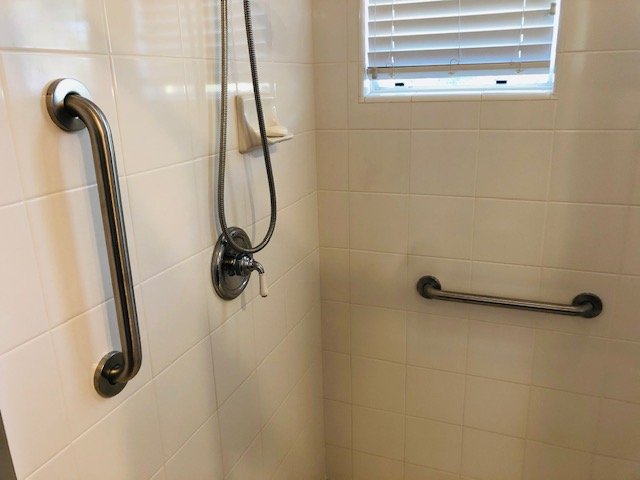
- Grab bars: Install sturdy grab bars near the toilet and inside the shower or tub. Learn more about why these are essential from this detailed guide on grab bars for seniors.
- Walk-in showers: Replace traditional tubs with walk-in or roll-in showers for easier access.
- Non-slip mats and flooring: Use slip-resistant materials to minimize the chance of falls.
- Raised toilet seats and safety rails: Add height and support to make sitting and standing easier.
- Handheld showerheads: Offer flexibility and ease of use for people with limited mobility.
For more inspiration, see these bathroom accessibility upgrades that make a difference.
Kitchen Modifications for Independence
- Pull-out shelves: Make cabinets and pantries easier to access without bending or reaching.
- Lever or touch faucets: Simplify water controls for those with arthritis or limited hand strength.
- Lowered countertops: Adjust counter height for seated use or wheelchair access.
- Bright, even lighting: Improve visibility to reduce accidents and make tasks easier.
Living Areas: Enhancing Comfort and Mobility
- Clear pathways: Arrange furniture to allow easy movement and accommodate mobility aids.
- Sturdy seating: Choose chairs with arms and firm cushions for easier transfers.
- Smart home technology: Install voice-activated lights, thermostats, and security systems for added convenience and safety.
Reducing Fall Risks Throughout the Home
Falls are a leading cause of injury for older adults. Addressing hazards and making proactive changes can significantly reduce risks. Consider these strategies:
- Remove loose rugs and clutter: Keep floors clear to prevent tripping.
- Improve lighting: Add nightlights in hallways, bathrooms, and bedrooms.
- Secure handrails: Ensure all stairways have sturdy handrails on both sides.
- Install ramps: Use ramps instead of steps where possible, both inside and outside the home.
Understanding the causes of falls is crucial. For more information, check out this resource on understanding fall risks in older adults.
Smart Bathroom Safety Features
Bathrooms often require the most attention when planning for long-term accessibility. In addition to grab bars and non-slip surfaces, consider these upgrades:
- Comfort-height toilets: Higher toilets make sitting and standing easier.
- Shower benches: Provide a safe place to sit while bathing.
- Anti-scald devices: Prevent burns by regulating water temperature.
- Easy-to-reach storage: Lower shelves and baskets keep essentials within reach.
For a deeper dive into essential features, review the bathroom safety features every senior should consider.
Planning and Budgeting for Home Renovations
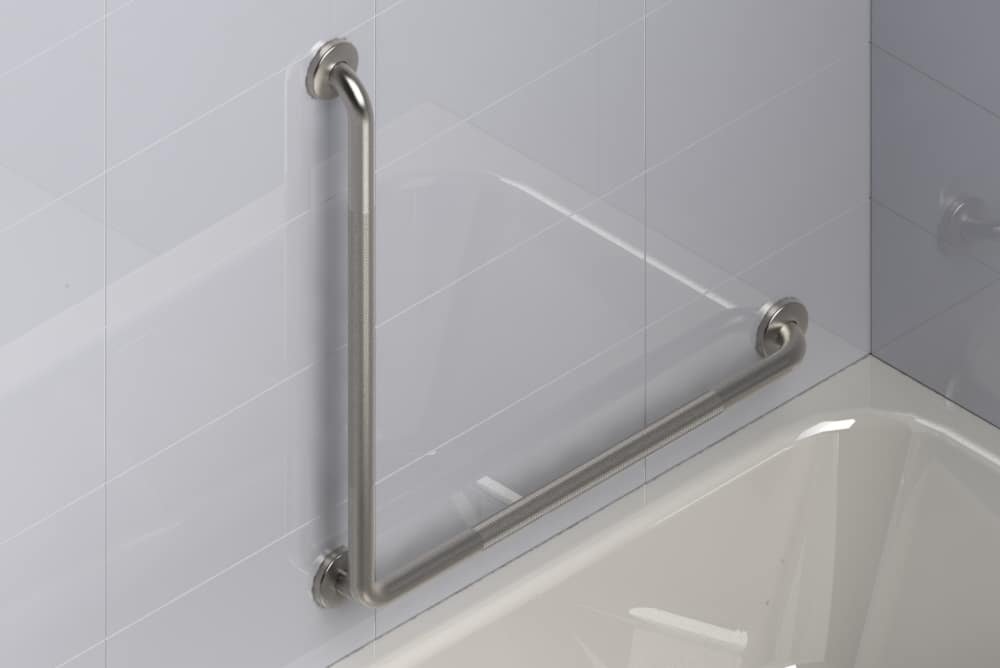
Adapting your home for aging in place doesn’t have to happen all at once. Start by identifying the most urgent needs, such as bathroom safety or entryway accessibility. Set a budget, prioritize projects, and consider working with professionals who have experience in accessible design. Many modifications, like installing grab bars or lever handles, are affordable and can be completed quickly. Larger projects, such as bathroom remodels or ramp installations, may require more planning and investment but offer long-term benefits.
Frequently Asked Questions
What are the most important home modifications for aging in place?
The most impactful changes include installing grab bars in bathrooms, improving lighting throughout the home, using non-slip flooring, widening doorways, and ensuring entryways are step-free. These updates enhance safety and accessibility for people with varying mobility needs.
How can I make my bathroom safer for seniors?
Focus on adding grab bars near the toilet and shower, using non-slip mats, installing a walk-in shower or tub, and considering raised toilet seats and shower benches. These features help prevent falls and make daily routines easier to manage.
Are there affordable ways to start with aging in place renovations?
Yes, many upgrades are budget-friendly. Start with simple changes like adding lever handles, improving lighting, and installing grab bars. These small investments can make a significant difference in comfort and safety.
Conclusion
Implementing aging in place renovation ideas is a proactive way to support independence and well-being as you or your loved ones grow older. By focusing on safety, accessibility, and comfort, you can create a living space that adapts to changing needs and provides peace of mind for years to come. Use the resources and suggestions in this article to guide your planning and make your home a safer, more welcoming place for everyone.