As the population ages, more families and communities are seeking ways to create living spaces that are both comfortable and safe for older adults. Universal design for senior homes is an approach that emphasizes accessibility, safety, and adaptability—ensuring that homes meet the needs of residents at every stage of life. By integrating thoughtful features and modifications, these environments can support independence, reduce fall risks, and enhance overall well-being.
This guide explores the principles of universal design, practical upgrades for senior living, and how these changes can make a meaningful difference. For those interested in a comprehensive checklist of home improvements, the aging in place home improvement checklist offers additional insights and actionable steps.
What Is Universal Design and Why Does It Matter?
Universal design is a philosophy that aims to create spaces usable by everyone, regardless of age or ability. In the context of homes for seniors, this means prioritizing features that promote safety, accessibility, and comfort without sacrificing style or function. The goal is to minimize barriers and ensure that daily activities—such as bathing, cooking, and moving around—are as easy and risk-free as possible.
Unlike traditional accessibility modifications, which may be added reactively after a fall or injury, universal design is proactive. It incorporates elements like wide doorways, lever-style handles, and non-slip flooring from the start, making the home adaptable to changing needs over time.
Key Principles of Universal Design for Senior Living
Applying universal design for senior homes involves several core principles. These can be tailored to individual needs and preferences, but generally include:
- Equitable Use: Spaces and features are useful to people with diverse abilities.
- Flexibility: Design accommodates a wide range of preferences and abilities.
- Simplicity: The environment is easy to understand and use, reducing confusion and frustration.
- Perceptible Information: Important cues are easy to see, hear, or feel, such as contrasting colors on steps.
- Tolerance for Error: The design minimizes hazards and adverse consequences of accidental actions.
- Low Physical Effort: Features require minimal strength or dexterity to operate.
- Appropriate Size and Space: Rooms and pathways are sized for mobility aids like walkers or wheelchairs.
Essential Home Modifications for Safety and Comfort
Many home upgrades can make a significant difference in the daily lives of older adults. Below are some of the most impactful changes, especially in high-risk areas like bathrooms and hallways.
Bathroom Upgrades
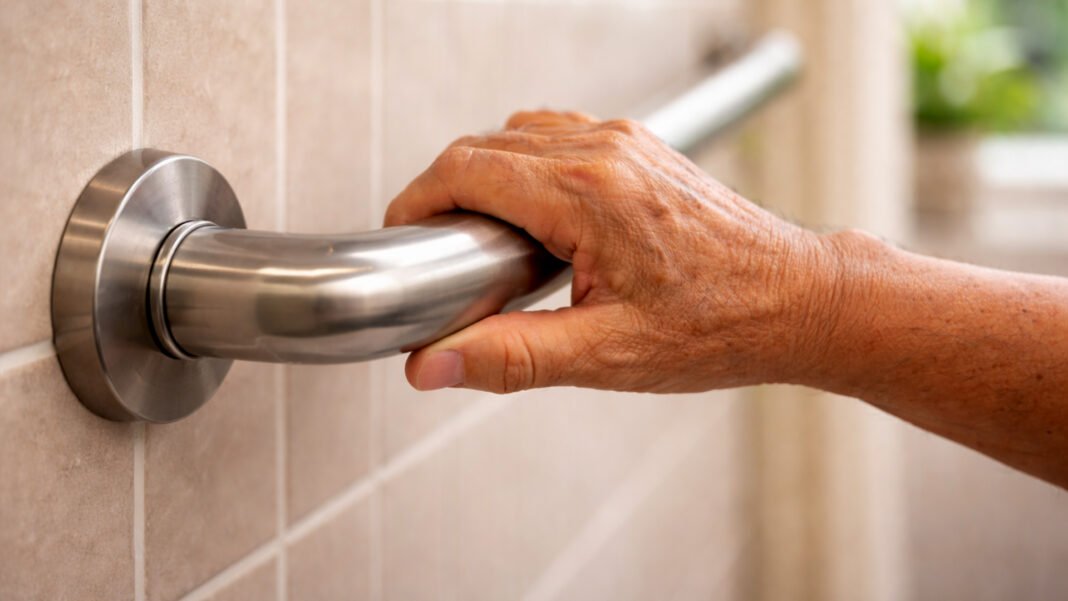
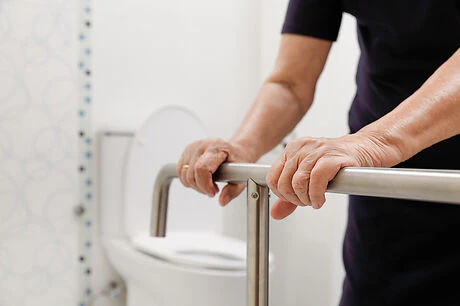
The bathroom is one of the most common locations for slips and falls. Installing grab bars, non-slip mats, and raised toilet seats can greatly improve safety. For more detailed solutions, see the bathroom safety solutions for multigenerational homes article, which covers a range of modifications suitable for all ages.
Grab bars, in particular, are a simple yet effective addition. They provide stability when entering or exiting the shower or using the toilet. According to this resource on grab bar safety, these devices can significantly lower the risk of falls and promote confidence in daily routines.
Accessible Entryways and Hallways
Widening doorways and removing thresholds help accommodate mobility aids. Lever handles are easier to use than traditional knobs, especially for those with arthritis or limited grip strength. Good lighting and clear, unobstructed pathways are also essential for preventing trips and falls.
Kitchen Adaptations
In the kitchen, consider installing pull-out shelves, D-shaped cabinet handles, and appliances with easy-to-read controls. Lowering countertops or creating seated workspaces can make meal preparation more comfortable for those with limited mobility.
Reducing Fall Risks and Promoting Independence
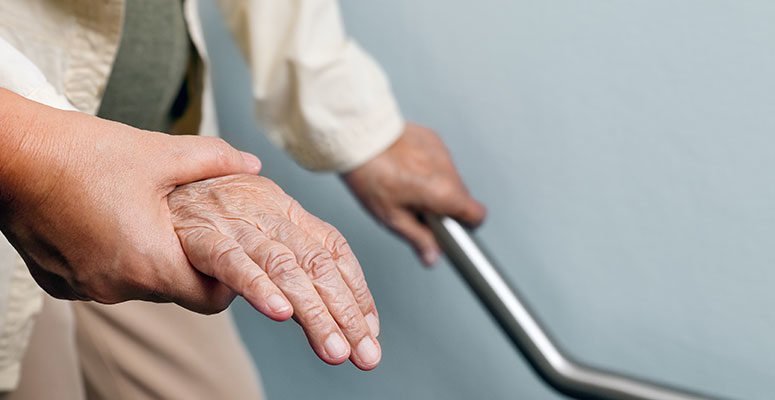
Falls are a leading cause of injury among older adults. By integrating universal design for senior homes principles, families can create safer environments that support autonomy and dignity. Removing area rugs, securing loose cords, and adding handrails to stairs are simple yet effective strategies.
For a deeper understanding of the factors that contribute to falls, the understanding fall risks in older adults guide provides valuable context and prevention tips.
Enhancing Mobility and Confidence at Home
Mobility challenges can make everyday tasks more difficult, but thoughtful design choices can restore confidence and independence. Features like stair lifts, ramps, and adjustable-height furniture allow seniors to move freely throughout their homes. For more ideas, the senior mobility and confidence at home article highlights top upgrades that make a real difference.
Lighting also plays a crucial role. Motion-sensor lights in hallways, closets, and bathrooms ensure that spaces are always well-lit, reducing the risk of accidents during nighttime trips.
Universal Design in Shared and Multigenerational Homes
Many families are choosing to live in multigenerational households, where universal design benefits everyone—not just seniors. Features like step-free entries, accessible bathrooms, and flexible living spaces accommodate children, adults, and older family members alike. These modifications also future-proof the home, making it easier to adapt as needs change over time.
For those considering bathroom upgrades, the bathroom accessibility upgrades that make a difference resource offers practical advice for creating inclusive spaces that work for all ages and abilities.
Frequently Asked Questions
What are the most important features to include in a senior-friendly home?
Key features include non-slip flooring, grab bars in bathrooms, lever-style door handles, wide doorways, and good lighting. These elements help prevent accidents and make daily tasks easier for older adults.
How does universal design differ from traditional accessibility modifications?
Universal design is proactive and integrated from the start, focusing on making spaces usable for everyone, regardless of ability. Traditional modifications are often added after a need arises, while universal design anticipates future changes and creates a more seamless living environment.
Can universal design be applied to existing homes, or is it only for new construction?
Many universal design principles can be incorporated into existing homes through renovations and upgrades. Simple changes like installing grab bars, improving lighting, and widening doorways can make a significant impact without requiring a complete remodel.