
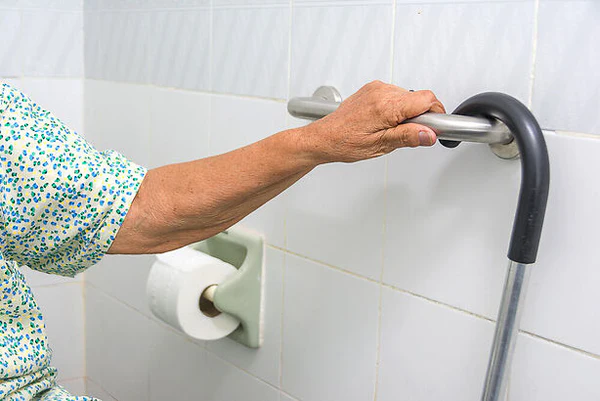
Living with arthritis presents unique challenges, especially when it comes to daily routines like using the bathroom. Joint pain, stiffness, and reduced grip strength can make simple tasks—such as getting on and off the toilet, turning faucets, or stepping into the shower—feel daunting. Fortunately, there are practical solutions and specialized equipment designed to provide bathroom support for arthritis sufferers, making these spaces safer and more accessible.
This guide explores the most effective gear and modifications to help individuals with arthritis maintain independence and confidence in their bathrooms. We’ll also highlight expert tips, essential safety upgrades, and where to find reliable products. For those interested in broader home modifications, the aging in place home improvement checklist offers additional insights for creating a safer living environment.
Why Accessible Bathrooms Matter for Joint Health
Arthritis can affect mobility, balance, and hand function, making bathroom tasks potentially hazardous. Slippery floors, low toilets, and hard-to-turn knobs can increase the risk of falls and injuries. Adapting the bathroom with supportive gear not only enhances comfort but also helps prevent accidents.
According to experts, the right modifications can significantly improve quality of life for those with arthritis. Simple changes, such as installing grab bars or using lever-style handles, can make a substantial difference in daily routines.
Essential Bathroom Equipment for Arthritis Relief
There are several types of assistive devices and upgrades that can provide support in the bathroom for people with arthritis. Here are some of the most effective options:
- Grab Bars: Sturdy rails installed near the toilet, shower, or bathtub offer stability and support for standing, sitting, and moving.
- Raised Toilet Seats: These elevate the height of the toilet, reducing the distance and effort required to sit or stand.
- Toilet Safety Rails: Armrests that attach to or surround the toilet, providing extra leverage and balance.
- Shower Chairs and Benches: Allow safe, comfortable seated bathing for those with limited stamina or balance.
- Non-Slip Mats: Placed inside and outside the tub or shower to minimize slipping hazards.
- Lever-Style Faucets: Easier to operate than traditional knobs, especially for those with reduced hand strength.
For more ideas on making bathrooms safer for all ages, see these bathroom safety solutions for multigenerational homes.
Choosing the Right Grab Bars and Rails
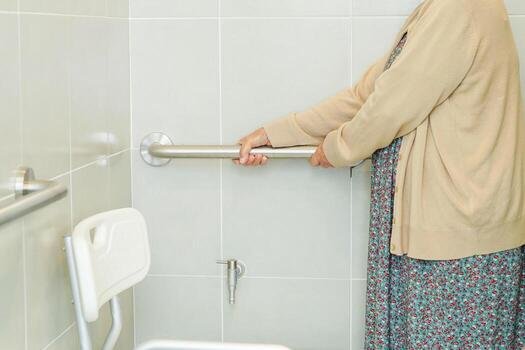
Grab bars and safety rails are among the most important bathroom aids for arthritis sufferers. When selecting these supports, consider the following:
- Placement: Install grab bars near the toilet, shower, and bathtub for maximum benefit. Horizontal bars offer support for standing, while vertical bars assist with balance.
- Material: Stainless steel or coated metal bars are durable and easy to clean.
- Weight Capacity: Choose bars rated for at least 250 pounds to ensure safety.
- Professional Installation: For optimal security, have grab bars installed into wall studs by a qualified professional.
To learn more about how these devices can enhance safety and mobility, visit this in-depth guide on bathroom grab bars for seniors.
Making Toilets More Accessible
Standard toilets can be difficult for people with arthritis to use due to their low height and lack of support. Raised toilet seats and toilet safety rails are two of the most effective solutions:
- Raised Seats: These fit securely on top of the existing toilet, reducing the effort needed to sit or stand.
- Safety Rails: Provide stable handholds on either side of the toilet, making transfers safer and easier.
When choosing these products, look for models with padded armrests and non-slip feet for added comfort and stability. For more comprehensive upgrades, consider exploring bathroom accessibility upgrades that make a difference.
Shower and Bath Solutions for Arthritis
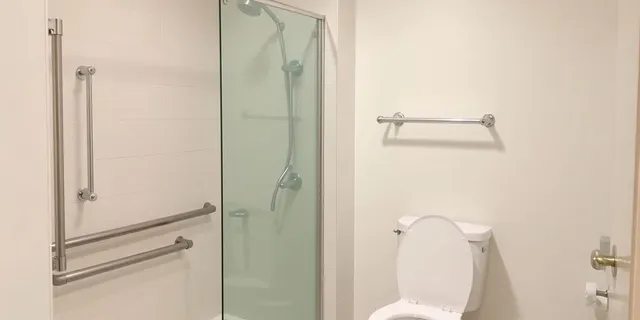
Bathing can be especially challenging for those with joint pain. To improve safety and comfort, consider these options:
- Shower Chairs: Allow users to sit while bathing, reducing fatigue and fall risk.
- Transfer Benches: Help individuals move in and out of the tub without stepping over high sides.
- Handheld Showerheads: Make it easier to direct water flow without reaching or twisting.
- Non-Slip Mats: Essential for preventing slips in wet areas.
Combining these products with grab bars creates a safer, more accessible bathing environment. For more tips on minimizing risks, see the article on understanding fall risks in older adults.
Additional Tips for Arthritis-Friendly Bathrooms
Beyond installing specialized equipment, there are several small changes that can make a big difference:
- Replace round doorknobs with lever handles for easier opening and closing.
- Use pump dispensers for soap and shampoo instead of twist-off caps.
- Keep essentials within easy reach to avoid unnecessary bending or stretching.
- Ensure adequate lighting to improve visibility and reduce tripping hazards.
For those looking to boost senior mobility and confidence at home, the guide on senior mobility and confidence at home offers further recommendations.
FAQ: Common Questions About Bathroom Support for Arthritis
What are the most important bathroom modifications for arthritis?
The most effective changes include installing grab bars near the toilet and shower, using a raised toilet seat, adding toilet safety rails, and placing non-slip mats in wet areas. Lever-style faucets and shower chairs also provide significant benefits.
How do I choose the right grab bar for my bathroom?
Look for grab bars made of sturdy materials like stainless steel, with a weight capacity of at least 250 pounds. Placement is key—install them where support is most needed, such as beside the toilet and inside the shower. Professional installation is recommended for maximum safety.
Are there affordable options for bathroom aids?
Yes, many bathroom aids such as suction-cup grab bars, portable toilet rails, and non-slip mats are available at reasonable prices. While some products are more durable and secure when professionally installed, there are budget-friendly solutions for most needs.
Conclusion
Adapting the bathroom with the right support gear is essential for those managing arthritis. By choosing appropriate equipment—such as grab bars, raised toilet seats, and shower chairs—and making small accessibility upgrades, individuals can maintain independence and reduce the risk of injury. For further reading on comprehensive solutions, explore bathroom accessibility upgrades that make a difference and related resources. Taking these steps ensures a safer, more comfortable bathroom experience for anyone living with arthritis.