
For older adults, the bathroom can be one of the most hazardous areas in the home. Wet floors, limited space, and the need to move between surfaces like toilets, tubs, and showers all increase the risk of slips and falls. Understanding safe transfer techniques in the bathroom is essential for seniors who want to maintain independence and for caregivers aiming to provide effective assistance. With the right strategies, equipment, and planning, bathroom transfers can be made much safer and more manageable.
Many families are exploring ways to make bathrooms more accessible and secure for aging loved ones. If you’re considering home modifications, you may also find value in reviewing the aging in place home improvement checklist for a comprehensive approach to senior safety at home.

Why Bathroom Transfers Are Challenging for Seniors
Bathrooms are often compact, with hard surfaces and limited handholds. For seniors with reduced mobility, balance issues, or muscle weakness, these factors can make moving from a wheelchair to the toilet, stepping into a shower, or getting up from a bathtub particularly risky. The Centers for Disease Control and Prevention reports that falls are a leading cause of injury among older adults, and a significant percentage of these incidents occur in the bathroom.
Common challenges include:
- Slippery floors from water or soap residue
- Low toilet seats that are difficult to rise from
- High tub walls or shower thresholds
- Lack of sturdy support for gripping
- Fatigue or dizziness during transfers
By learning and applying safe transfer techniques in the bathroom, seniors and caregivers can greatly reduce the risk of accidents and support ongoing independence.
Essential Equipment for Safer Bathroom Transfers
Several assistive devices can make a significant difference in bathroom safety. Here are some of the most effective options:
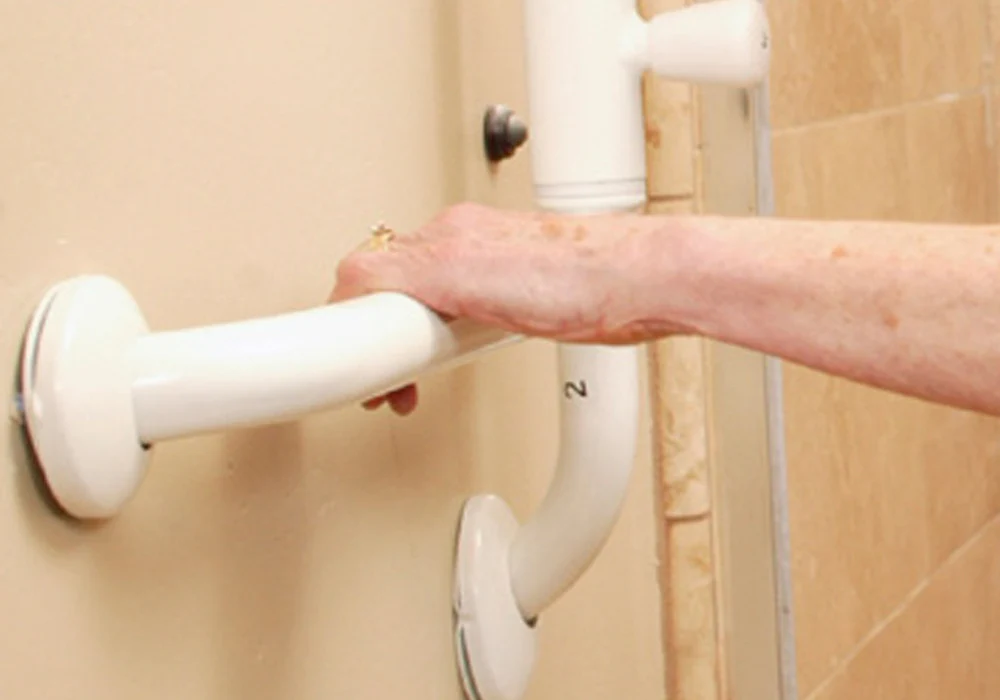
- Grab Bars: Properly installed grab bars provide stable handholds for moving in and out of the tub, shower, or off the toilet. For installation tips, see this grab bar installation guide.
- Raised Toilet Seats: These add height to the toilet, making it easier to sit down and stand up.
- Toilet Safety Rails: Rails on either side of the toilet offer additional support for transfers.
- Shower Chairs and Benches: These allow users to sit while bathing, reducing the risk of slipping.
- Non-Slip Mats: Placing these inside and outside the tub or shower helps prevent falls.
Choosing the right equipment depends on the individual’s needs, bathroom layout, and mobility level. Consulting with an occupational therapist can help identify the best solutions for your situation.
Step-by-Step Guide to Safe Transfers in the Bathroom
Applying proper transfer techniques is just as important as having the right equipment. Here’s a general approach for common bathroom transfers:
Transferring to and from the Toilet
- Prepare the Area: Ensure the floor is dry and free of obstacles. Position any mobility aids, such as walkers, within easy reach.
- Use Grab Bars or Rails: Hold onto a grab bar or toilet safety rail for support. Place both feet flat on the floor and scoot forward on the seat.
- Stand Up Slowly: Lean forward slightly, push up using your arms and legs, and rise to a standing position. Pause if you feel dizzy.
- Reverse the Process to Sit: Back up until you feel the toilet behind your knees. Reach for the grab bar, bend your knees, and lower yourself slowly.
Getting In and Out of the Bathtub or Shower
- Install a Shower Chair or Transfer Bench: Sit down outside the tub, then swing your legs over the edge while seated.
- Use Grab Bars: Hold onto a securely mounted grab bar for balance as you move.
- Take Your Time: Move slowly and deliberately. Never rush during transfers.
- Keep Essentials Within Reach: Place soap, shampoo, and towels close by to avoid unnecessary movement.
For more ideas on making bathrooms safer for everyone in the household, consider reading about bathroom safety solutions for multigenerational homes.

Tips for Caregivers Assisting with Bathroom Transfers
Caregivers play a crucial role in supporting seniors during bathroom transfers. Here are some practical tips to ensure safety and dignity:
- Communicate Clearly: Explain each step before you begin and check that the person is ready.
- Use Proper Body Mechanics: Bend your knees, keep your back straight, and avoid twisting. Use your legs to lift rather than your back.
- Encourage Independence: Allow the senior to do as much as possible on their own, offering support only when needed.
- Stay Attentive: Watch for signs of fatigue, dizziness, or discomfort, and pause if necessary.
- Maintain Privacy: Use towels or robes to help preserve modesty during transfers.
Training in transfer techniques can be beneficial for both family caregivers and professionals. Many local agencies offer workshops or in-home demonstrations.
Home Modifications and Preventive Measures
Beyond individual techniques and equipment, making broader changes to the bathroom environment can further reduce risks. Consider these modifications:
- Widening doorways for wheelchair access
- Installing lever-style faucets for easier operation
- Ensuring adequate lighting, especially at night
- Removing loose rugs and clutter
- Using contrasting colors to highlight edges and surfaces
For a deeper dive into practical upgrades, the article on bathroom accessibility upgrades that make a difference provides actionable advice for homeowners.
Recognizing and Addressing Fall Risks
It’s important to regularly assess the bathroom for potential hazards. Seniors and caregivers should be aware of factors that increase fall risk, such as medications causing dizziness, vision changes, or new mobility challenges. Periodic reviews of the environment and routines can help catch issues before they lead to accidents. For more information on this topic, see understanding fall risks in older adults.
Frequently Asked Questions
What are the most important safety devices for bathroom transfers?
Grab bars, raised toilet seats, toilet safety rails, and shower chairs are among the most effective devices for supporting safe movement in the bathroom. Non-slip mats and proper lighting also play a key role in preventing falls.
How can I help my loved one maintain independence in the bathroom?
Encourage the use of assistive equipment and teach proper transfer techniques. Make environmental modifications as needed and provide support only when necessary, allowing the person to do as much as possible on their own.
Are there professional services that can help with bathroom safety?
Yes, occupational therapists can assess your bathroom and recommend personalized solutions. Many communities also offer home modification programs and caregiver training to improve safety and confidence during transfers.
Conclusion
Mastering safe transfer techniques in the bathroom is essential for reducing fall risks and supporting seniors’ independence. By combining proper equipment, thoughtful modifications, and careful technique, families can create a safer, more accessible environment. For those planning broader home improvements, resources like the senior mobility and confidence at home guide offer additional insights. Prioritizing safety in the bathroom not only prevents injuries but also promotes dignity and peace of mind for everyone involved.