
Installing bathroom support rails is one of the most effective ways to reduce slips and falls, especially for seniors, people with mobility challenges, or anyone recovering from surgery. Knowing the best locations for bathroom support rails can make a significant difference in safety and confidence when using the bathroom. This guide outlines the most strategic spots for grab bars and support rails, explains why placement matters, and provides practical tips for choosing and installing the right products for your needs.
Making thoughtful upgrades to your bathroom is a key part of creating a safer home environment. For those planning a comprehensive approach, the aging in place home improvement checklist offers a helpful overview of additional modifications that can enhance comfort and independence.

Why Proper Placement of Support Rails Matters
Bathrooms are among the most hazardous areas in any home due to slippery surfaces and confined spaces. The right placement of support rails can:
- Prevent falls by providing stable handholds where they are most needed
- Increase independence for those with limited mobility
- Offer peace of mind for caregivers and family members
- Comply with accessibility standards and recommendations
To maximize safety, it’s essential to install grab bars and rails in locations where users are most likely to need support during transfers, standing, or moving between bathroom fixtures.
Key Areas for Bathroom Support Rails
Let’s explore the most effective spots for installing support rails, based on expert recommendations and real-world usage patterns.
Shower and Bathtub Entry Points
One of the most critical locations for grab bars is at the entrance to showers and bathtubs. Stepping in and out of a wet tub or shower is a common time for slips to occur. Installing a vertical or angled rail at the entry point provides a secure grip for stability.
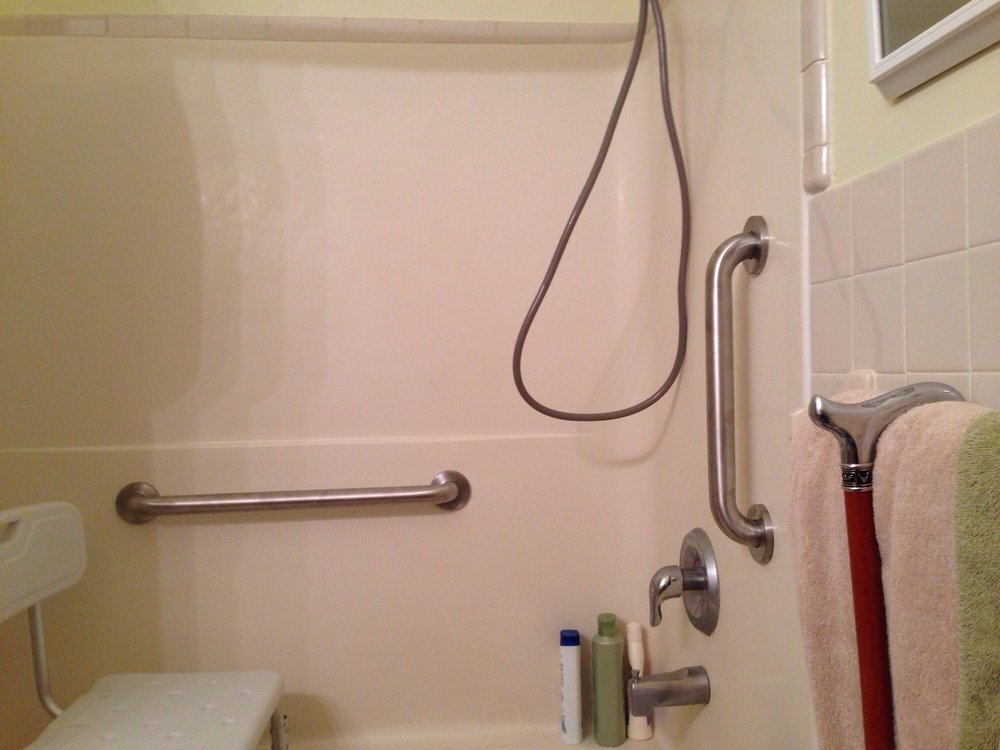
For showers, a horizontal bar along the back wall also helps with balance while standing or moving. In tubs, consider a combination of vertical and horizontal rails for support when lowering or raising the body.
Inside the Shower or Tub Area
Once inside the bathing area, additional support is often needed. Horizontal grab bars along the side and back walls allow users to steady themselves while washing, turning, or sitting on a shower seat. Angled bars can provide both push and pull support, accommodating different hand positions and movements.
For more ideas on improving bathroom accessibility, see these bathroom accessibility upgrades that make a difference.
Toilet Surrounds
The toilet is another high-risk area for falls, especially during transfers from sitting to standing. Installing support rails on both sides of the toilet, or using a U-shaped bar behind it, offers stability and leverage. Wall-mounted grab bars or freestanding toilet safety frames are both effective options, depending on your bathroom layout.

For best results, position the bars so that they are easy to reach from both sitting and standing positions. The height and distance from the toilet should be tailored to the user’s needs, following ADA or local guidelines where possible.
Near the Bathroom Entrance and Sink
Support rails near the bathroom door and next to the sink can help users steady themselves when entering, exiting, or standing at the vanity. These locations are often overlooked but can be especially helpful for those who use mobility aids or have difficulty with balance.
Choosing the Right Grab Bars and Rails
Once you’ve identified the most important spots for support rails, it’s crucial to select products that are sturdy, reliable, and appropriate for your space. Consider the following factors:
- Material: Stainless steel and heavy-duty plastic are popular for their durability and resistance to moisture.
- Length and Shape: Choose bar lengths and shapes that match the user’s reach and the space available.
- Mounting Style: Wall-mounted bars offer the most stability, but suction-cup models can be useful for temporary needs (though they are not recommended for primary support).
- Weight Capacity: Always check the manufacturer’s specifications to ensure the bar can support the intended user.
Proper installation is just as important as choosing the right product. If you’re unsure about mounting into wall studs or tile, consider hiring a professional installer. For more tips, consult a room-by-room guide to grab bars for additional insights and best practices.
Additional Tips for Maximizing Bathroom Safety
- Install non-slip mats both inside and outside the shower or tub.
- Ensure adequate lighting, especially at night.
- Keep pathways clear of clutter and loose rugs.
- Consider a raised toilet seat or shower chair for extra support.
- Regularly check that all support rails remain securely fastened and free from rust or wear.
Combining these strategies with well-placed grab bars will create a safer, more accessible bathroom for everyone in the household.
Frequently Asked Questions
How high should bathroom support rails be installed?
The recommended height for most grab bars is between 33 and 36 inches from the floor, measured to the top of the bar. However, the ideal height may vary based on the user’s needs and the specific location. Always follow ADA guidelines or consult with an occupational therapist for personalized recommendations.
Can I install support rails myself, or do I need a professional?
Many homeowners can install grab bars with the right tools, especially if mounting into wall studs. However, for tiled walls, complex layouts, or if you’re unsure about proper installation, hiring a professional ensures the rails are secure and safe to use.
Are suction-cup grab bars safe for long-term use?
Suction-cup grab bars are best used as temporary aids or for travel. They do not provide the same level of security as permanently mounted bars and can lose suction over time. For primary support, always choose wall-mounted options anchored into studs or solid backing.
Conclusion
Identifying the best locations for bathroom support rails is a crucial step in creating a safer, more accessible home. By focusing on high-risk areas like the shower, tub, toilet, and entryways, and by choosing sturdy, well-installed products, you can significantly reduce the risk of falls and support greater independence. For a broader look at home modifications that support mobility and safety, explore resources like senior mobility and confidence at home and best practices for aging in place.