
Supporting older adults in their own homes is a top priority for many families and caregivers. As people age, their living environments may need adjustments to ensure safety, comfort, and independence. This caregiver guide to home safety modifications offers practical steps and proven solutions for creating a safer home, reducing fall risks, and making daily life easier for seniors.
Whether you’re just starting to consider changes or looking to enhance existing safety features, understanding which modifications matter most can make a significant difference. By addressing common hazards and focusing on accessibility, caregivers can help seniors maintain confidence and autonomy at home.

For a comprehensive checklist of improvements that support aging in place, see the aging in place home improvement checklist. This resource covers essential upgrades and planning tips for long-term safety.
Why Home Modifications Matter for Senior Safety
Falls and household accidents are leading causes of injury among older adults. Many of these incidents are preventable with thoughtful changes to the living environment. Simple updates—like installing grab bars, improving lighting, and removing tripping hazards—can dramatically reduce risks. In addition to physical safety, these modifications support emotional well-being by helping seniors remain independent and confident in their own homes.
Caregivers play a key role in identifying potential dangers and implementing solutions. By proactively addressing problem areas, families can avoid emergencies and support a higher quality of life for their loved ones.
Key Areas to Address in a Home Safety Plan
Every home is unique, but certain spaces tend to present more challenges for older adults. The following sections highlight the most important areas for home safety modifications and offer actionable tips for caregivers.
Entrances and Exits: Improving Accessibility
- Install sturdy handrails on both sides of stairs and ramps.
- Ensure steps are even, well-lit, and free of clutter.
- Consider adding a threshold ramp for wheelchair or walker access.
- Replace doorknobs with lever handles for easier use by those with arthritis or limited grip strength.
Making entryways safer not only prevents falls but also makes it easier for seniors to leave and return home independently.
Living Spaces: Reducing Fall Hazards
- Remove or secure loose rugs and electrical cords.
- Arrange furniture to create clear, wide pathways.
- Use non-slip mats on smooth floors.
- Increase lighting, especially in hallways and near transitions between rooms.
Regularly checking for clutter and rearranging furniture can make a big difference in preventing trips and falls.
Bathroom Safety Upgrades for Seniors
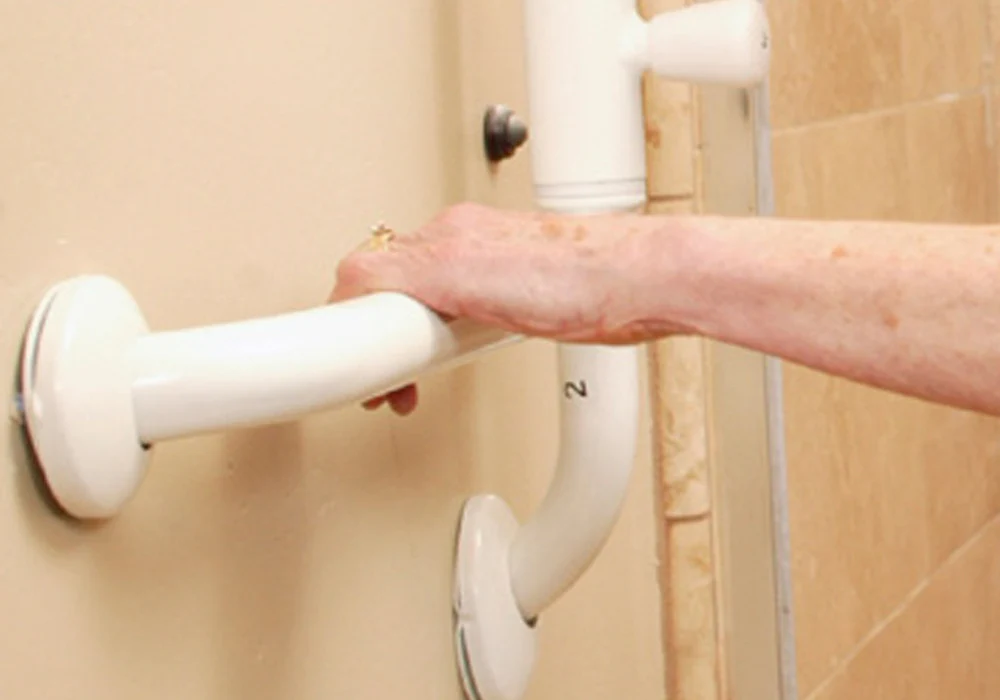
The bathroom is one of the most hazardous areas for older adults due to slippery surfaces and tight spaces. Effective caregiver guide to home safety modifications strategies for bathrooms include:
- Installing grab bars near the toilet and inside the shower or bathtub. For step-by-step instructions, refer to this grab bar installation guide.
- Using non-slip mats both inside and outside the tub or shower.
- Adding a raised toilet seat or toilet safety rails for easier transfers.
- Ensuring the bathroom is well-lit, with nightlights for nighttime visits.
- Considering a walk-in shower or tub for those with mobility challenges.
For more ideas on making shared bathrooms safer for all ages, see bathroom safety solutions for multigenerational homes.

Bedroom and Nighttime Safety
- Keep a lamp or light switch within easy reach of the bed.
- Use nightlights in hallways and bathrooms to prevent falls during nighttime trips.
- Ensure the bed height is comfortable for getting in and out safely.
- Remove clutter and keep pathways clear from the bed to the bathroom.
These simple changes can help seniors feel more secure and reduce the risk of nighttime accidents.
Kitchen Modifications for Independence
- Store frequently used items within easy reach to avoid climbing or stretching.
- Install lever-style faucets for easier operation.
- Use appliances with automatic shut-off features to prevent fire hazards.
- Ensure adequate lighting over work areas and pathways.
Adapting the kitchen supports safe meal preparation and daily routines, promoting independence for older adults.
Additional Tips for Caregivers
- Conduct regular safety assessments to identify new risks as needs change.
- Encourage open communication with seniors about their comfort and concerns.
- Stay informed about new products and technologies designed for home safety.
- Consult with occupational therapists or home modification specialists for personalized recommendations.
For more information on supporting mobility and confidence, explore senior mobility and confidence at home for additional strategies and resources.
Understanding and Preventing Fall Risks
Falls are a major concern for seniors, but many can be prevented with the right interventions. Learn more about common causes and prevention strategies in understanding fall risks in older adults. Awareness and proactive planning are key to creating a safer living environment.
Frequently Asked Questions
What are the most important home modifications for seniors living alone?
Key changes include installing grab bars in bathrooms, improving lighting throughout the home, removing tripping hazards, and ensuring easy access at entrances. These updates address the most common sources of falls and accidents.
How can caregivers identify which areas of the home need safety improvements?
Start by observing daily routines and noting any difficulties or near-misses. Walk through the home with the senior, looking for obstacles, slippery surfaces, and areas with poor lighting. Consulting a professional or using a checklist can also help identify risks.
Are there affordable options for making a home safer for older adults?
Many effective modifications are low-cost, such as adding non-slip mats, using nightlights, and rearranging furniture. Some communities offer grants or assistance programs for larger projects like ramps or bathroom renovations. Prioritize the most urgent needs and address others as resources allow.
Conclusion
Creating a safer home for seniors is an ongoing process that benefits from regular assessment and proactive adjustments. By focusing on high-risk areas and using practical solutions, caregivers can help older adults enjoy greater independence and peace of mind. For more detailed advice on accessible upgrades, see bathroom accessibility upgrades that make a difference.