
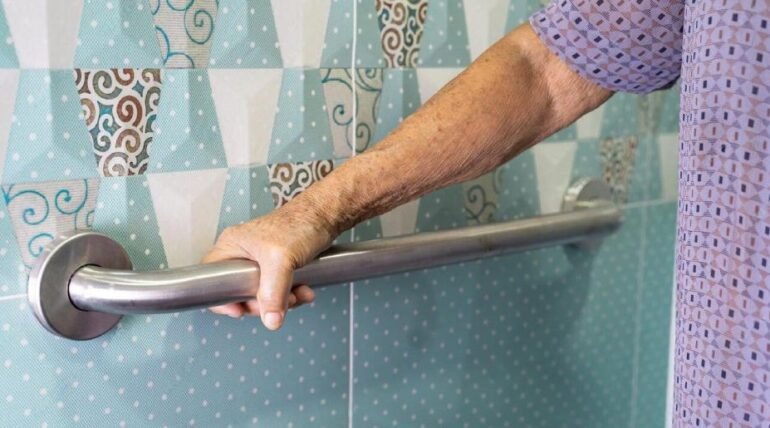
Creating a bathroom that is both stylish and accessible is essential for households with seniors, people with disabilities, or anyone planning to age in place. Thoughtful design choices can transform a standard bathroom into a safe, comfortable, and attractive space that supports independence and dignity. In this guide, you’ll find practical ideas and real-world solutions for anyone seeking accessible bathroom design inspiration—from layout considerations to the latest in safety features and fixtures.
Whether you’re updating an existing space or planning a full renovation, integrating accessibility doesn’t mean sacrificing aesthetics. With the right approach, you can achieve a bathroom that is functional, beautiful, and welcoming for everyone who uses it. For those considering a broader approach to home safety, the aging in place home improvement checklist is a helpful resource to ensure your entire home meets accessibility needs.
Key Elements for a Barrier-Free Bathroom
Designing a bathroom with accessibility in mind starts with removing obstacles and anticipating the needs of all users. Here are some foundational elements to consider:
- Zero-threshold showers: Walk-in or roll-in showers with no step make entry easy for wheelchair users and reduce tripping hazards.
- Wide doorways: Doors at least 32 inches wide accommodate mobility aids and allow for easier movement.
- Non-slip flooring: Choose slip-resistant tiles or vinyl to prevent falls, especially when the floor is wet.
- Ample turning space: A clear floor area of at least 60 inches in diameter allows for wheelchair maneuverability.
- Lever-style handles: Faucets and door handles with levers are easier to operate than knobs, especially for those with limited grip strength.
Thoughtful planning at this stage lays the groundwork for a bathroom that is both safe and user-friendly.
Incorporating Grab Bars and Support Features
One of the most effective ways to enhance safety and independence is by installing grab bars and support rails. These features are essential for preventing slips and falls, particularly near the toilet and in the shower or bathtub area. Modern grab bars come in a variety of finishes and styles, allowing them to blend seamlessly with your decor.
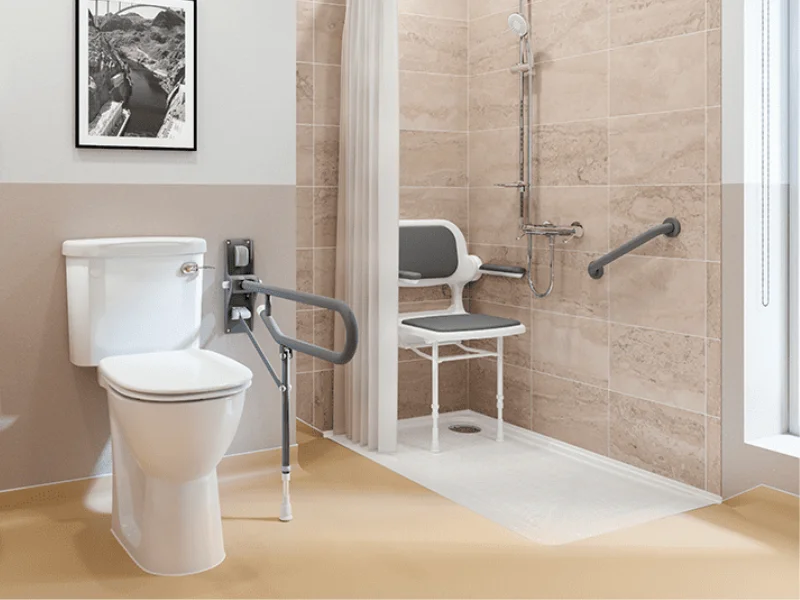
For more details on how grab bars can improve safety and mobility for seniors, see this in-depth look at bathroom grab bars for senior safety and mobility. Placement is key: install grab bars near the toilet, inside the shower, and by the bathtub for maximum support. Many modern designs double as towel racks or shelves, making them both practical and discreet.
Accessible Bathroom Layout Ideas
When it comes to accessible bathroom design inspiration, layout plays a crucial role. Consider the following ideas to maximize both function and style:
- Open-plan layouts: Removing unnecessary partitions creates more space for movement and easier access to fixtures.
- Floating vanities: Wall-mounted sinks and vanities provide knee clearance for wheelchair users and add a modern touch.
- Comfort-height toilets: Taller toilets make sitting and standing easier for people with limited mobility.
- Curbless showers: These not only look sleek but also allow for easy roll-in access and reduce the risk of tripping.
- Strategic lighting: Bright, even lighting reduces shadows and helps those with low vision navigate safely.
For more practical tips and upgrade ideas, the article on bathroom accessibility upgrades that make a difference offers additional guidance for creating a safer, more comfortable space.
Stylish Solutions for Universal Access
Accessible bathrooms can be visually appealing as well as functional. Today’s manufacturers offer a wide range of products that combine safety with style. Here are some ways to achieve a modern, inviting look while maintaining accessibility:
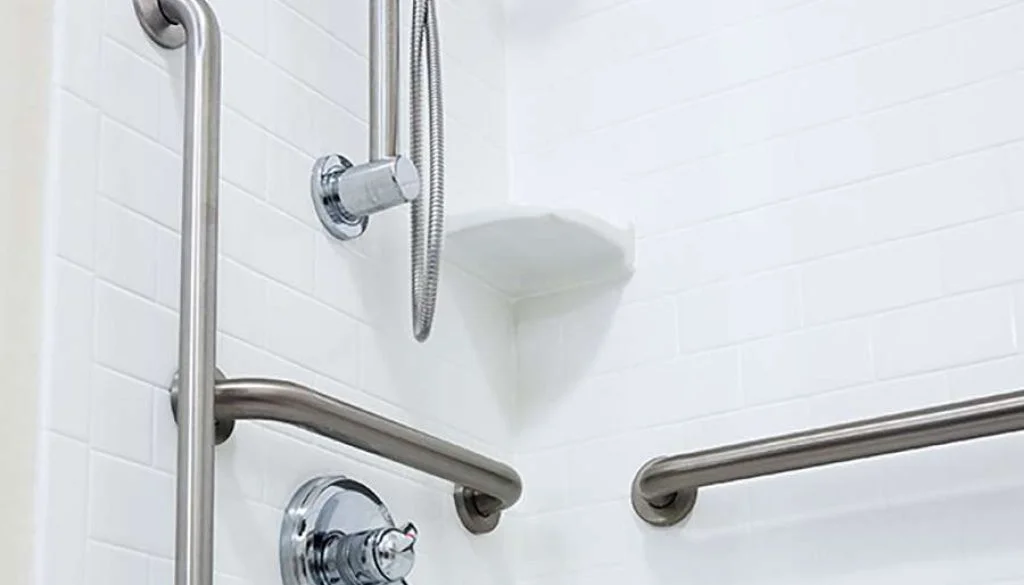
- Designer grab bars: Choose finishes like brushed nickel or matte black to match your fixtures.
- Integrated seating: Built-in or fold-down shower seats provide comfort and convenience without cluttering the space.
- Contrasting colors: Use contrasting tiles or paint to help users with low vision distinguish between walls, floors, and fixtures.
- Accessible storage: Lower shelves and pull-out drawers keep essentials within reach for everyone.
- Touchless faucets: Sensor-activated taps reduce the need for manual operation and help maintain hygiene.
Combining these features ensures your bathroom is both safe and stylish, supporting the needs of all family members and guests.
Additional Tips for a Safer, More Comfortable Bathroom
Beyond the basics, there are several small changes that can make a big impact on accessibility and safety:
- Install a handheld showerhead with a long hose for easier bathing, especially when seated.
- Add anti-scald devices to faucets and showers to prevent burns.
- Ensure all controls and switches are within easy reach and clearly labeled.
- Use open shelving or clear containers to keep toiletries visible and accessible.
- Consider motion-sensor lighting for nighttime trips to the bathroom.
For those interested in understanding the broader context of home safety, the article on understanding fall risks in older adults provides valuable insights into why these changes are so important.
Frequently Asked Questions
What are the most important features in an accessible bathroom?
The most critical features include zero-threshold showers, grab bars, non-slip flooring, wide doorways, and lever-style handles. These elements help reduce fall risks and make the bathroom easier to use for people with mobility challenges.
How can I make my bathroom more accessible without a full renovation?
Start by adding grab bars, non-slip mats, and a raised toilet seat. Replace knobs with lever handles, use a handheld showerhead, and ensure lighting is bright and even. These small upgrades can significantly improve safety and usability.
Are accessible bathrooms only for seniors or people with disabilities?
No, universal design benefits everyone. Features like walk-in showers, comfort-height toilets, and easy-to-use fixtures make bathrooms safer and more comfortable for people of all ages and abilities.
Conclusion
Transforming your bathroom into an accessible and inviting space is an investment in safety, comfort, and long-term independence. With a thoughtful approach and the right features, you can create a bathroom that meets the needs of today and adapts for the future. For more strategies to support mobility and confidence throughout your home, see the guide on senior mobility and confidence at home. By blending function with style, your bathroom can be a place of comfort and security for everyone who enters.