
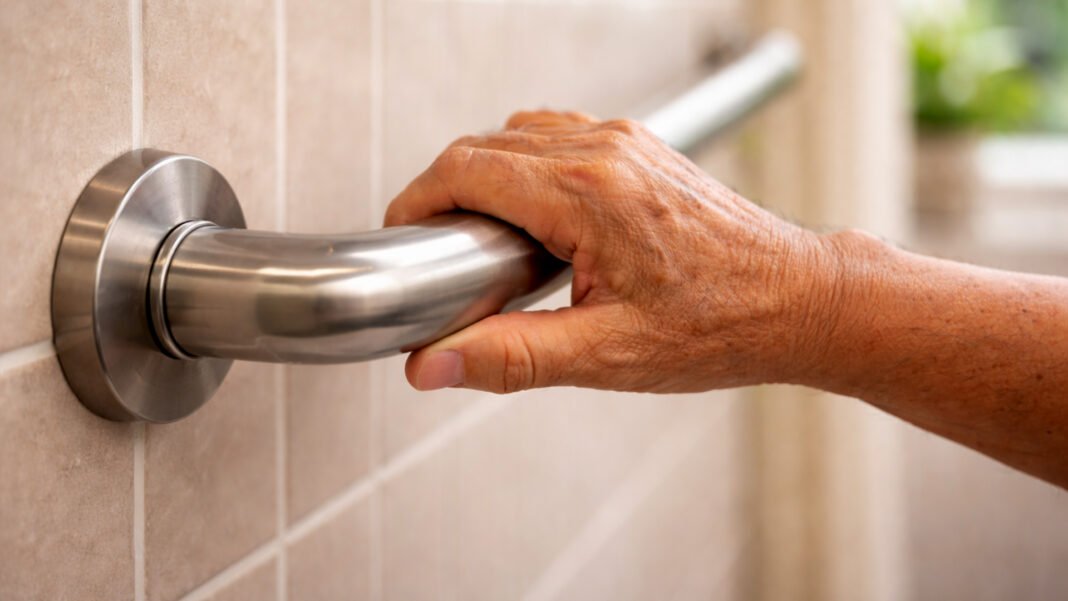
As more older adults choose to remain in their own homes, creating a safe and accessible bathroom becomes a top priority. The right modifications and products can significantly reduce the risk of slips, falls, and injuries, supporting independence and peace of mind. This guide explores the most important aging in place bathroom essentials for seniors, offering practical advice for families and caregivers looking to enhance comfort and safety.
Falls in the bathroom are a leading cause of injury among seniors. By making thoughtful upgrades, such as installing grab bars and using non-slip mats, it’s possible to transform a standard bathroom into a secure, user-friendly environment. For a broader overview of home modifications that support independence, see the aging in place home improvement checklist.
Why Bathroom Safety Matters for Seniors
Bathrooms are among the most hazardous areas in any home, especially for older adults with mobility or balance challenges. Wet floors, slippery surfaces, and tight spaces all contribute to the risk of falls. According to the CDC, one in four Americans aged 65+ falls each year, and many of these incidents occur in the bathroom.
Implementing essential bathroom safety features not only helps prevent injuries but also supports dignity and autonomy. Simple adjustments can make daily routines easier and less stressful for everyone involved.
Must-Have Bathroom Modifications for Aging in Place
To create a safer environment, consider these core upgrades and products that address the most common bathroom hazards:
- Grab Bars and Handrails: Securely installed grab bars near the toilet, shower, and bathtub provide vital support for sitting, standing, and moving around. For more on how these devices improve safety, see this detailed explanation of grab bar benefits for seniors.
- Non-Slip Mats and Flooring: Placing non-slip mats inside and outside the tub or shower, as well as in front of the sink, helps prevent accidental slips.
- Raised Toilet Seats and Safety Rails: These additions make it easier for seniors to sit and stand, reducing strain on joints and minimizing fall risk.
- Walk-In Showers or Tubs: Replacing a traditional bathtub with a walk-in model eliminates the need to step over high edges, making bathing safer and more comfortable.
- Handheld Showerheads: Adjustable showerheads allow for seated bathing and easier rinsing, accommodating different mobility levels.
- Accessible Storage: Lowered shelves and easy-to-reach cabinets keep toiletries within arm’s reach, minimizing the need for stretching or bending.
Choosing the Right Grab Bars and Rails
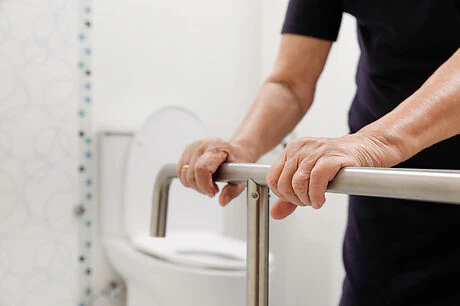
Grab bars are among the most effective aging in place bathroom essentials. When selecting these supports, look for:
- Sturdy Construction: Stainless steel or heavy-duty plastic bars offer durability and reliability.
- Professional Installation: Secure mounting into wall studs ensures bars can support full body weight.
- Strategic Placement: Install bars at entry points, near the toilet, and inside the shower or tub for maximum benefit.
Toilet safety rails are another key addition, providing extra support for sitting and standing. Many models are adjustable and can be fitted to most standard toilets without permanent modifications.
Shower and Bathtub Upgrades for Senior Safety
Traditional bathtubs and showers can be difficult to access for those with limited mobility. Upgrading to a walk-in shower or tub removes barriers and reduces the risk of tripping. Features to consider include:
- Low or No Threshold Entry: Allows for easy access, even with a walker or wheelchair.
- Built-In Seating: Provides a place to rest while bathing, reducing fatigue and fall risk.
- Handheld Showerheads: Make it easier to bathe while seated and direct water where needed.
For more ideas on making bathrooms safer and more comfortable, check out bathroom accessibility upgrades that make a difference.
Additional Tips for a Senior-Friendly Bathroom
Beyond the main upgrades, several small changes can have a big impact on safety and convenience:
- Good Lighting: Install bright, glare-free lighting to improve visibility, especially at night.
- Lever-Style Faucets: Easier to operate than traditional knobs, especially for those with arthritis.
- Accessible Storage: Keep everyday items within easy reach to avoid unnecessary bending or stretching.
- Emergency Alert Systems: Consider adding a waterproof call button or alert device in case of falls.
For a deeper understanding of the risks and how to address them, see understanding fall risks in older adults.
Maintaining Independence and Confidence at Home
Investing in aging in place bathroom essentials is about more than just safety—it’s about empowering seniors to live confidently and independently. With the right modifications, the bathroom can remain a place of privacy and comfort, not a source of anxiety. For further guidance on supporting mobility and well-being, visit senior mobility and confidence at home.
Frequently Asked Questions
What are the most important bathroom safety features for seniors?
The most critical features include grab bars, non-slip mats, raised toilet seats, and walk-in showers or tubs. These upgrades help prevent falls and make daily routines easier for those with mobility challenges.
How do I choose the best grab bars for a senior’s bathroom?
Look for bars made from sturdy materials like stainless steel, and ensure they are professionally installed into wall studs. Place them near the toilet, shower, and bathtub for maximum support.
Are there affordable ways to make a bathroom safer for aging in place?
Yes, simple additions such as non-slip mats, handheld showerheads, and lever-style faucets can greatly improve safety without major renovations. Prioritize the changes that address the most immediate risks first.
Where can I find more information about home modifications for seniors?
For a comprehensive overview of home improvements that support aging in place, refer to the aging in place home improvement checklist and explore resources on improving quality of life through accessibility.