
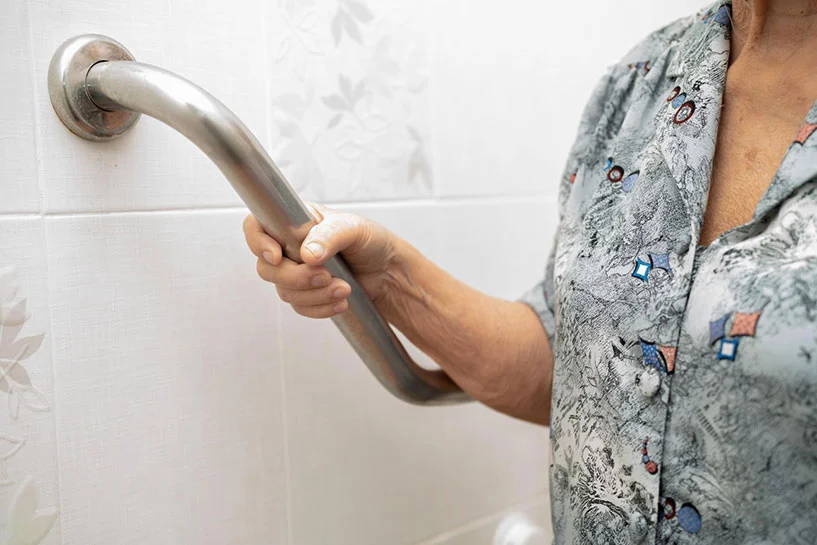
Falls and slips in the bathroom are a leading cause of injury, especially for older adults and people with limited mobility. Understanding the range of bathroom support systems available can help you make informed choices to improve safety, comfort, and independence at home. This guide covers the most effective safety gear, how these systems work, and what to consider when selecting products for your needs.
Whether you’re planning ahead for aging in place, recovering from surgery, or supporting a loved one, choosing the right equipment can make a significant difference. For a broader look at home safety improvements, the aging in place home improvement checklist offers additional tips and resources.
Why Bathroom Safety Gear Matters
The bathroom is one of the most hazardous areas in any home due to slippery surfaces, tight spaces, and frequent transitions between sitting and standing. Installing support systems can help prevent falls, reduce anxiety, and promote greater independence for seniors and those with disabilities. According to the CDC, millions of people are treated for bathroom-related injuries every year, and many of these incidents are preventable with the right equipment.
Common risk factors include wet floors, low toilet seats, and the need to step over high bathtub edges. By addressing these challenges with thoughtfully chosen safety gear, you can create a safer and more accessible environment for everyone in your household.
Types of Bathroom Support Systems
There is a wide variety of supportive equipment designed specifically for bathrooms. Each type serves a unique function and can be tailored to individual needs. Here are some of the most popular and effective options:
- Grab Bars: Sturdy bars mounted on walls near toilets, showers, and tubs to provide support while standing, sitting, or moving.
- Shower Seats and Benches: Allow users to sit while bathing, reducing fatigue and the risk of slipping.
- Toilet Safety Rails: Provide additional leverage and stability when sitting down or standing up from the toilet.
- Non-Slip Mats and Flooring: Reduce the risk of slipping on wet surfaces.
- Transfer Benches: Help users move safely in and out of the bathtub or shower.
- Raised Toilet Seats: Make it easier to sit and stand by increasing the height of the toilet.
Each of these solutions can be used alone or in combination, depending on the specific needs of the user and the layout of the bathroom.

Key Features of Effective Grab Bars and Rails
When evaluating bathroom support systems, grab bars and toilet rails are among the most essential components. Here’s what to look for:
- Material: Stainless steel or heavy-duty plastic for durability and rust resistance.
- Grip: Textured or knurled surfaces provide a secure hold, even when wet.
- Mounting: Secure installation into wall studs is critical for safety. Avoid suction-cup models for primary support.
- Placement: Position bars at heights and angles that match the user’s reach and movement patterns.
- Weight Capacity: Ensure the product supports at least 250–300 lbs for most users.
Proper installation is just as important as product selection. For guidance on mounting and placement, you can refer to resources such as how grab bars improve safety for seniors.
Choosing the Right Equipment for Your Needs
Every bathroom and user is different, so it’s important to assess your specific requirements before making changes. Consider the following:
- Mobility Level: Does the user need support while standing, walking, or transferring?
- Space Constraints: Measure available space to ensure equipment fits without obstructing movement.
- Temporary vs. Permanent: Some products are designed for short-term use, while others are installed permanently.
- Ease of Cleaning: Choose materials and designs that are easy to keep hygienic.
- Budget: There are options at various price points, from basic grab bars to advanced transfer benches.
Consulting with an occupational therapist or home modification specialist can help you identify the most beneficial upgrades. For more ideas, see bathroom accessibility upgrades that make a difference.
Installation Tips and Best Practices
For bathroom support systems to be effective, correct installation is essential. Here are some best practices:
- Always mount grab bars and rails into wall studs, not just drywall or tile.
- Use rust-resistant screws and anchors rated for the intended weight.
- Test all equipment after installation to ensure stability before regular use.
- Follow manufacturer instructions closely, or hire a professional if unsure.
- Regularly inspect support gear for signs of wear, looseness, or damage.
Proper placement is also key. For example, grab bars should be installed both vertically and horizontally near the shower entrance, inside the shower, and next to the toilet. Rails should be positioned so they’re easy to reach from both sitting and standing positions.
Additional Tips for a Safer Bathroom
Beyond installing support equipment, consider these steps to further reduce risks:
- Keep floors dry and free of clutter.
- Use bright, even lighting to improve visibility.
- Install lever-style faucets for easier operation.
- Store toiletries within easy reach to avoid overreaching or bending.
- Consider a handheld showerhead for easier bathing.
For more information on preventing falls and improving safety, check out understanding fall risks in older adults and senior mobility and confidence at home.
Frequently Asked Questions
What is the best location for grab bars in a bathroom?
Grab bars are most effective when installed near the toilet, inside and just outside the shower or tub, and along walls where users may need extra support. The exact placement should be tailored to the user’s height, reach, and movement patterns.
Are suction-cup grab bars safe to use?
Suction-cup grab bars are intended for temporary or light support only. For reliable safety, especially for seniors or those with balance issues, always choose bars that are securely mounted into wall studs.
How do I choose between a shower chair and a transfer bench?
A shower chair is ideal for those who can step into the shower but need to sit while bathing. A transfer bench extends outside the tub or shower, helping users who have difficulty stepping over high edges to slide in safely. Assess mobility and bathroom layout to determine which option is best.
Conclusion
Investing in bathroom support systems is a practical step toward creating a safer, more accessible home. With the right combination of grab bars, rails, seating, and other safety gear, you can significantly reduce the risk of falls and support greater independence. For more guidance on making your home safer and more comfortable, explore resources on improving quality of life through accessibility.