
For older adults, navigating the bathroom can present significant challenges. Slippery surfaces, high thresholds, and limited mobility all contribute to an increased risk of falls and injuries. Implementing safe bathroom entry and exit solutions is essential for maintaining independence and ensuring peace of mind for both seniors and their families.
From installing sturdy grab bars to choosing the right non-slip flooring, there are practical steps that can make a real difference. This guide explores proven strategies and products designed to enhance safety, comfort, and accessibility in the bathroom. If you’re looking for a comprehensive approach to home modifications, the aging in place home improvement checklist is a valuable resource to help you get started.

Why Bathroom Safety Is a Priority for Older Adults
The bathroom is one of the most hazardous areas in any home, especially for those with limited mobility or balance issues. According to the CDC, falls are the leading cause of injury among seniors, and many of these incidents occur while entering or exiting the bathroom. Addressing these risks with bathroom entry and exit safety solutions can help prevent accidents and promote confidence in daily routines.
Common hazards include:
- Wet, slippery floors
- High tub or shower thresholds
- Lack of secure handholds
- Poor lighting
- Obstructed pathways
By identifying and addressing these challenges, families can create a safer environment that supports aging in place.
Essential Features of Safe Bathroom Entry and Exit Solutions
When considering upgrades for bathroom safety, it’s important to focus on features that address the specific needs of seniors. The following elements are key to improving accessibility and reducing the risk of falls:
- Grab Bars: Properly installed grab bars offer critical support when stepping in or out of the tub, shower, or near the toilet. Placement is crucial for effectiveness. For guidance on optimal locations, see this guide to installing grab bars in the bathroom.
- Non-Slip Flooring: Replacing or treating floors with non-slip materials can significantly reduce slipping hazards.
- Low-Threshold Showers: Walk-in showers with minimal thresholds make entry and exit much easier for those with mobility aids or balance concerns.
- Toilet Safety Rails: Rails around the toilet provide stability when sitting down or standing up.
- Improved Lighting: Bright, glare-free lighting ensures that hazards are visible at all times of day.
- Clear Pathways: Removing clutter and obstacles from the bathroom entrance and exit reduces tripping risks.
Choosing and Installing Grab Bars for Maximum Support
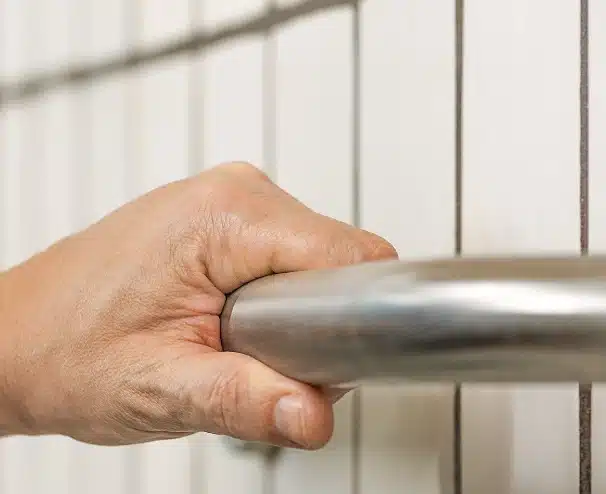
Grab bars are among the most effective safe bathroom entry and exit solutions. They provide a solid handhold for seniors, especially when transitioning in and out of the shower or tub. When selecting grab bars, consider the following:
- Material: Stainless steel or heavy-duty plastic bars are durable and easy to clean.
- Length and Diameter: Choose bars that fit the user’s hand comfortably and span the necessary distance for support.
- Mounting: Secure installation into wall studs is essential for safety. Avoid suction-cup models for primary support.
- Placement: Install bars both vertically and horizontally near entry points, inside the shower, and beside the toilet.
For a more in-depth look at home upgrades that enhance accessibility, see bathroom accessibility upgrades that make a difference.
Benefits of Walk-In Showers and Low-Threshold Tubs
Traditional bathtubs often have high sides that are difficult to step over, increasing the risk of tripping. Walk-in showers and low-threshold tubs are designed to minimize this hazard. These features offer:
- Easy, step-free access for wheelchairs, walkers, or those with limited mobility
- Space for a shower seat or bench
- Enhanced drainage to prevent water pooling
- Options for built-in or wall-mounted grab bars
Upgrading to a walk-in shower can be a transformative change for seniors who wish to remain independent at home.
Additional Tips for Safer Bathroom Navigation
Beyond structural changes, there are simple adjustments that can make a bathroom safer for seniors. Consider these practical tips:
- Use contrasting colors for floors and fixtures to help those with vision changes distinguish edges and surfaces.
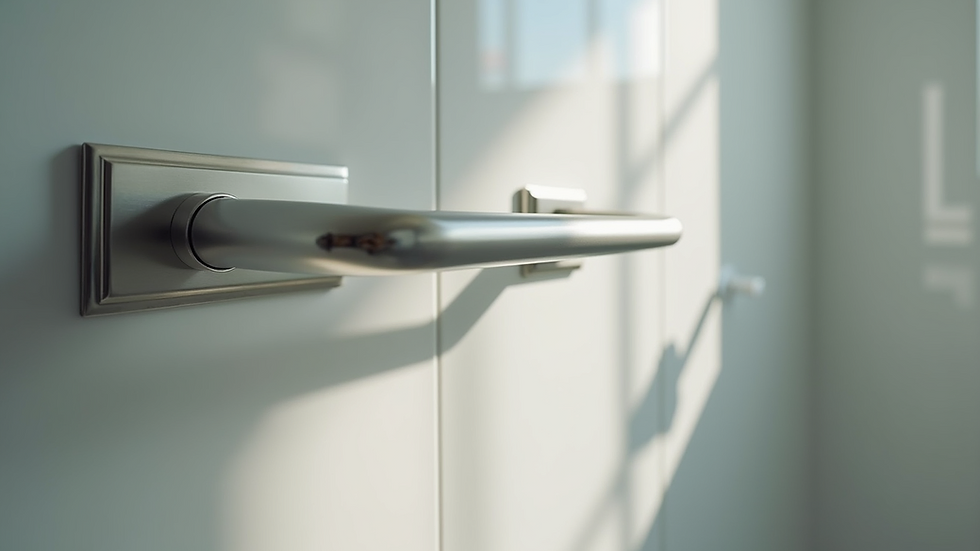
- Install lever-style handles on doors and faucets for easier operation.
- Keep toiletries and towels within easy reach to avoid overreaching or bending.
- Ensure adequate ventilation to reduce humidity and prevent mold or mildew, which can make surfaces slippery.
- Place a waterproof seat or bench in the shower for those who need to sit while bathing.
For a broader perspective on maintaining independence, the article on senior mobility and confidence at home offers further insights.
How to Assess and Plan for Bathroom Modifications
Every home and individual is unique, so a personalized approach is best when planning safe bathroom entry and exit solutions. Start by evaluating the current setup and identifying specific risks. Involve the senior in decision-making to ensure that changes align with their preferences and abilities.
Consulting with occupational therapists or certified aging-in-place specialists can provide expert guidance. They can recommend products and layouts that maximize safety and usability. For a step-by-step approach, refer to the aging in place home improvement checklist to ensure nothing is overlooked.
Frequently Asked Questions
What are the most important safety features for seniors in the bathroom?
The most critical features include securely installed grab bars, non-slip flooring, walk-in showers or low-threshold tubs, toilet safety rails, and bright, even lighting. These elements work together to reduce the risk of falls and make daily routines more manageable.
How do I choose the right grab bars and where should they be installed?
Choose grab bars that are sturdy, rust-resistant, and comfortable to grip. Install them near the shower or tub entrance, inside the shower, and beside the toilet. For detailed placement advice, consult a professional guide to grab bar installation.
Are there affordable options for making bathrooms safer for seniors?
Yes, many effective solutions are budget-friendly. Installing grab bars, adding non-slip mats, improving lighting, and decluttering pathways can all be done at a reasonable cost. For larger projects like walk-in showers, look for grants or assistance programs that support home modifications for seniors.
Conclusion
Enhancing bathroom safety for seniors is a vital step in supporting independence and well-being. By focusing on practical safe bathroom entry and exit solutions, families can create a secure environment that minimizes risks and promotes confidence. For more information on reducing hazards throughout the home, see understanding fall risks in older adults and improving quality of life through accessibility. Taking these steps today can make a lasting difference in the comfort and safety of your loved ones.