
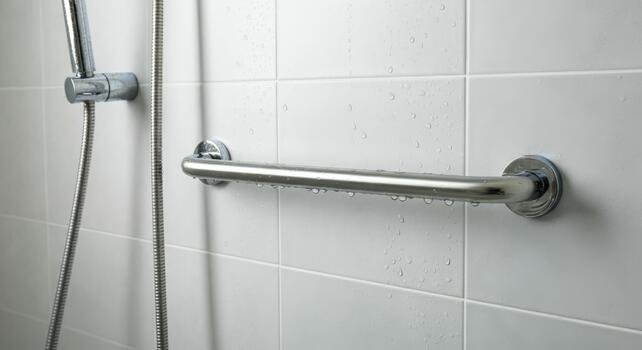
As people age, their homes should evolve to meet changing needs. Making living spaces safer and more comfortable can help older adults maintain independence and quality of life. Accessible home improvement projects are designed to remove barriers, reduce fall risks, and ensure that daily routines remain manageable. Whether you are planning for yourself or a loved one, understanding which updates make the biggest impact is essential.
Many homeowners are surprised by how a few thoughtful changes can transform a house into a more supportive environment. From simple adjustments like adding grab bars to larger renovations such as widening doorways, these projects can be tailored to each person’s needs and budget. For a comprehensive approach, consider referencing an aging in place home improvement checklist to prioritize upgrades and ensure nothing important is overlooked.
Why Focus on Home Accessibility?
Falls and mobility challenges are leading concerns for older adults. According to the CDC, one in four Americans aged 65+ falls each year, often resulting in injuries that can limit independence. Proactive accessible home improvement projects help reduce these risks and create a safer, more welcoming space.
Beyond safety, accessible upgrades can also improve comfort and convenience. Features like lever-style door handles, zero-threshold showers, and better lighting make daily routines easier. These changes not only benefit seniors but also visitors, caregivers, and family members of all ages.
Key Areas for Accessibility Upgrades
Prioritizing the right spaces is crucial when planning improvements. The following areas typically offer the greatest benefits:
- Bathrooms: Slippery surfaces and tight spaces make bathrooms a top priority for accessibility upgrades.
- Entrances and Hallways: Steps, narrow doorways, and cluttered paths can hinder mobility and increase fall risk.
- Kitchens: High cabinets, hard-to-reach appliances, and slick floors can make meal prep difficult.
- Bedrooms: Adequate lighting, sturdy furniture, and clear walking paths support safer movement.
For more detailed guidance on making bathrooms safer and easier to use, see the article on bathroom accessibility upgrades that make a difference.
Top Accessible Home Improvement Projects for Safety and Comfort
Let’s explore some of the most effective ways to make a home more accessible for older adults:
Installing Grab Bars and Handrails
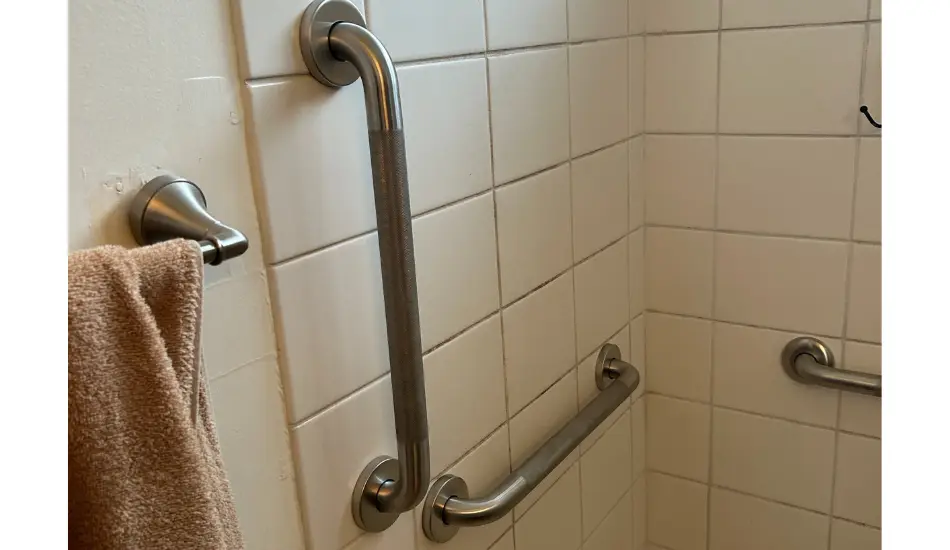
Adding sturdy grab bars in bathrooms, hallways, and near stairs provides essential support for balance and stability. These fixtures are especially helpful in wet areas, such as showers and next to toilets. According to experts, grab bars are a must-have in every bathroom for seniors to help prevent slips and falls.
Upgrading Bathroom Fixtures for Accessibility
Bathrooms are one of the most common places for accidents. Consider these upgrades for improved safety and usability:
- Walk-in or zero-threshold showers eliminate the need to step over a high tub edge.
- Handheld showerheads make bathing easier for those with limited mobility.
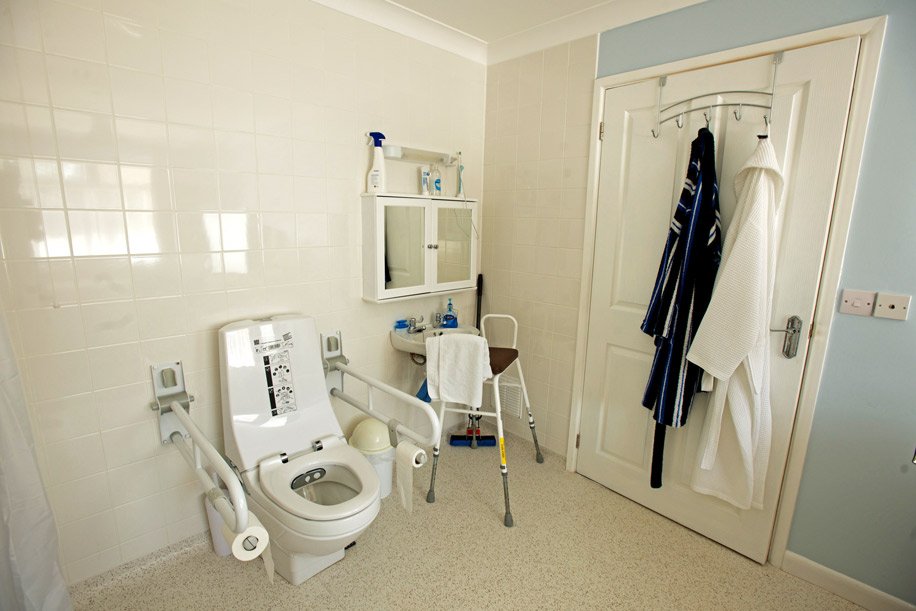
- Raised toilet seats and toilet safety rails provide extra support for sitting and standing.
- Non-slip flooring reduces the chance of slipping on wet surfaces.
Improving Lighting and Reducing Clutter
Good lighting is essential for safe navigation, especially at night. Install bright, energy-efficient bulbs in hallways, staircases, and entryways. Motion-sensor lights can be especially helpful for those who get up during the night. Reducing clutter and ensuring clear pathways throughout the home further minimizes tripping hazards.
Widening Doorways and Adjusting Thresholds
Narrow doorways and raised thresholds can be challenging for those using walkers or wheelchairs. Widening doorways to at least 32 inches and installing low-profile or ramped thresholds can make moving from room to room much easier. These changes also future-proof the home for evolving mobility needs.
Lever-Style Handles and Easy-Use Fixtures
Traditional round doorknobs and faucet handles can be difficult for those with arthritis or limited hand strength. Replacing them with lever-style handles and touch-activated fixtures allows for easier operation and greater independence.
Planning and Prioritizing Accessibility Projects
Every home and individual is unique, so it’s important to assess which updates will provide the most benefit. Start by identifying the areas that present the greatest challenges or risks. Consulting with an occupational therapist or accessibility specialist can help tailor solutions to specific needs.
For a broader perspective on how these changes can enhance daily living, explore the improving quality of life through accessibility resource. This can help you understand the long-term advantages of investing in accessible upgrades.
Maintaining Independence and Preventing Falls
One of the main goals of home modifications is to support independent living and reduce the likelihood of injuries. Simple changes like adding non-slip mats, securing loose rugs, and keeping commonly used items within easy reach can make a significant difference. For more on this topic, the article on understanding fall risks in older adults offers valuable insights into prevention strategies.
It’s also important to regularly review and update the home environment as needs change. What works today may need adjustment in the future, so ongoing evaluation is key.
Frequently Asked Questions
What are the most important accessibility upgrades for seniors?
The most impactful improvements typically include installing grab bars, upgrading bathroom fixtures, improving lighting, and reducing tripping hazards. Widening doorways and adding ramps can also be essential for those with mobility devices.
How can I make my bathroom safer for an older adult?
Focus on adding grab bars, non-slip mats, a walk-in or zero-threshold shower, and a raised toilet seat. Consider installing a handheld showerhead and ensuring all surfaces are easy to clean and maintain.
Are there affordable options for accessible home improvement projects?
Yes, many upgrades are budget-friendly, such as adding grab bars, lever handles, and brighter lighting. For more extensive renovations, look for local programs or grants that support aging in place. Prioritizing high-impact changes first can help manage costs.
Conclusion
Making a home more accessible is a practical investment in safety, comfort, and independence for aging adults. By focusing on the right projects and regularly reassessing needs, families can create supportive environments that adapt as circumstances change. For further information on maintaining autonomy and safety, the senior independence and bathroom safety guide offers additional tips and resources.